AR
AR  EN
EN  ZH
ZH  FR
FR  DE
DE  RU
RU  ES
ES  JA
JA  KO
KO 
OEM candy allows full product customization from recipe to packaging, while private label candy offers ready-made products that you simply brand and sell. The right choice depends on your budget, speed to market, and product differentiation goals.
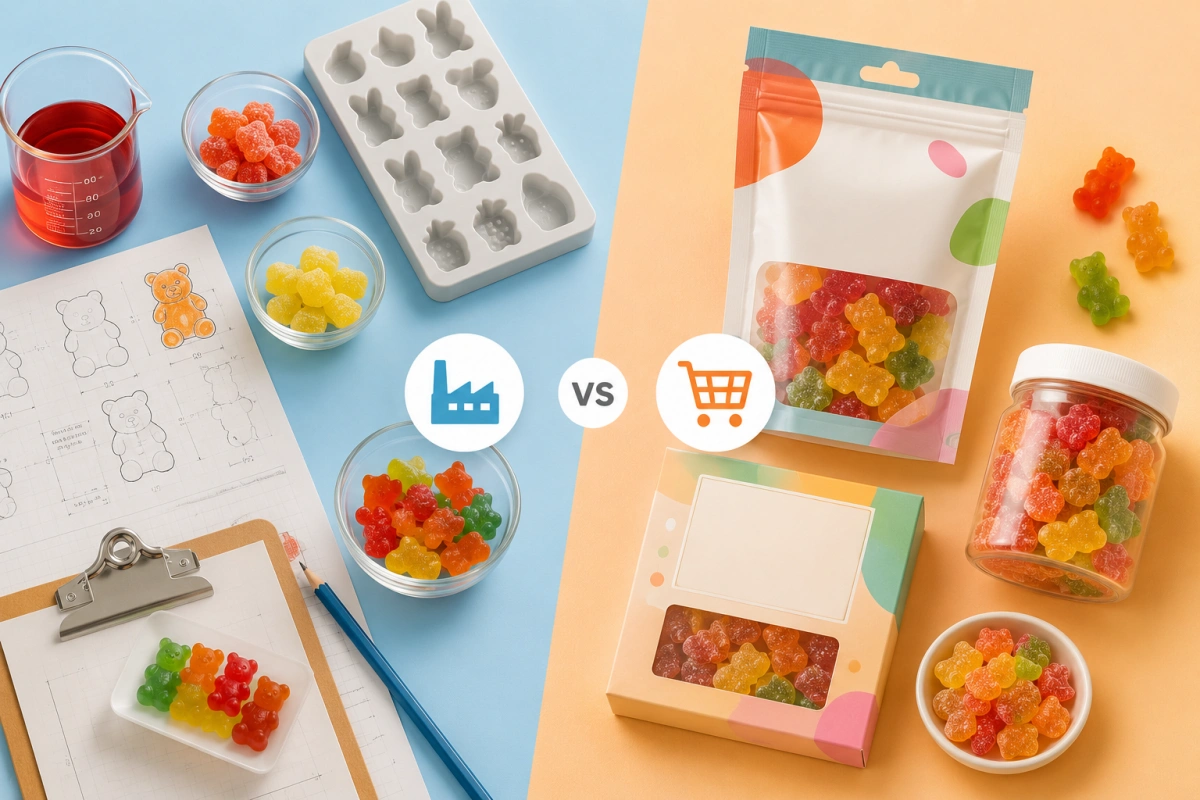
In the global confectionery industry, brands often face a key decision when working with manufacturers: should you choose OEM manufacturing أو private label candy production?
Both models help you bring products like gummies, marshmallows, licorice, jelly beans, and chocolate candies to market without owning a factory. However, they differ significantly in product development, customization, cost structure, and branding control.
According to industry research, private label products are widely used by retailers because they enable faster market entry with lower development cost, while contract manufacturing (OEM) is preferred by brands seeking differentiation and product ownership.
Understanding these differences is essential for building a profitable and scalable candy brand.
What Is OEM Candy Manufacturing?
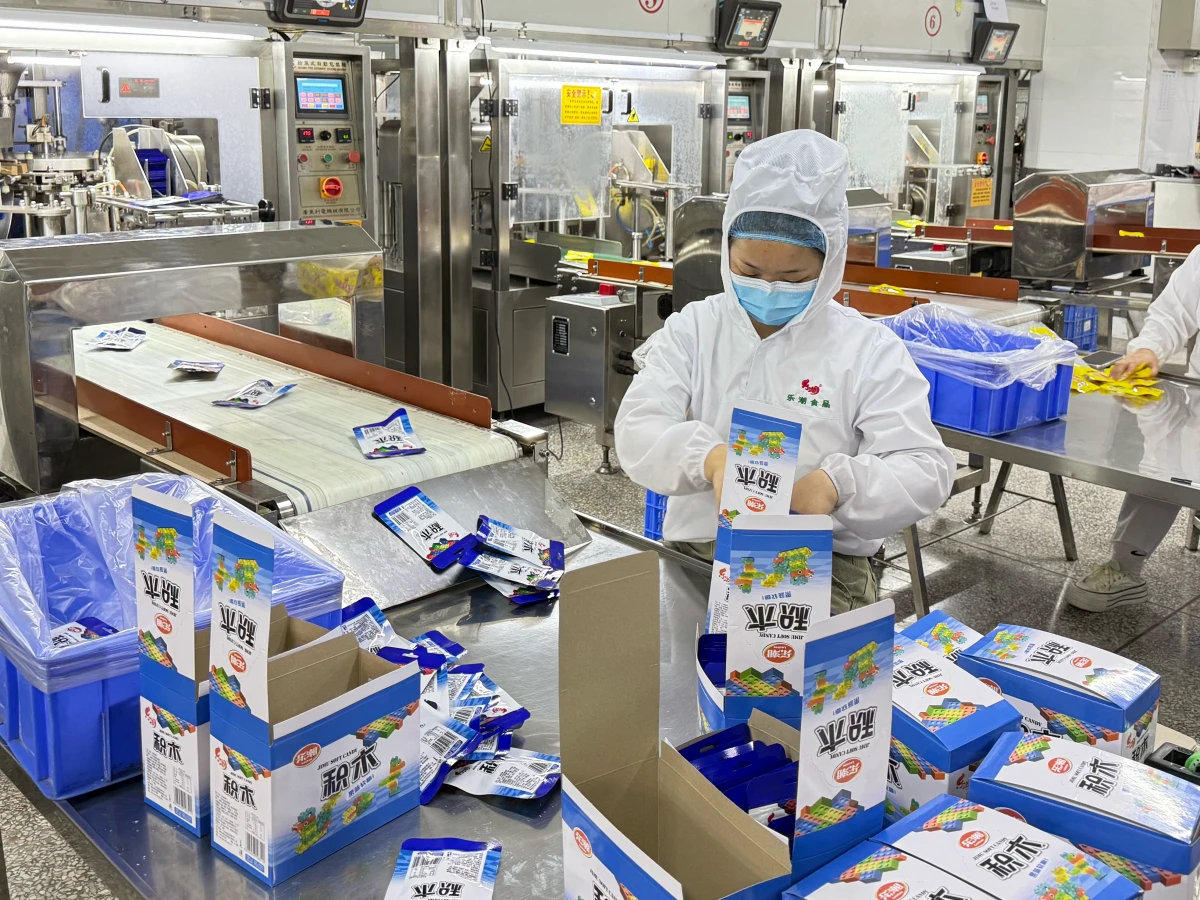
OEM (Original Equipment Manufacturer) candy production means the manufacturer produces candy based on your unique formulation, recipe, shape, texture, and packaging requirements.
In this model, you control:
- Ingredient formulation
- Candy texture and flavor profile
- Mold design (shape and size)
- Packaging design and branding
Key Idea:
You design it — the manufacturer builds it.
OEM is often used by established brands that want to create a fully differentiated product in the market.
What Is Private Label Candy Manufacturing?
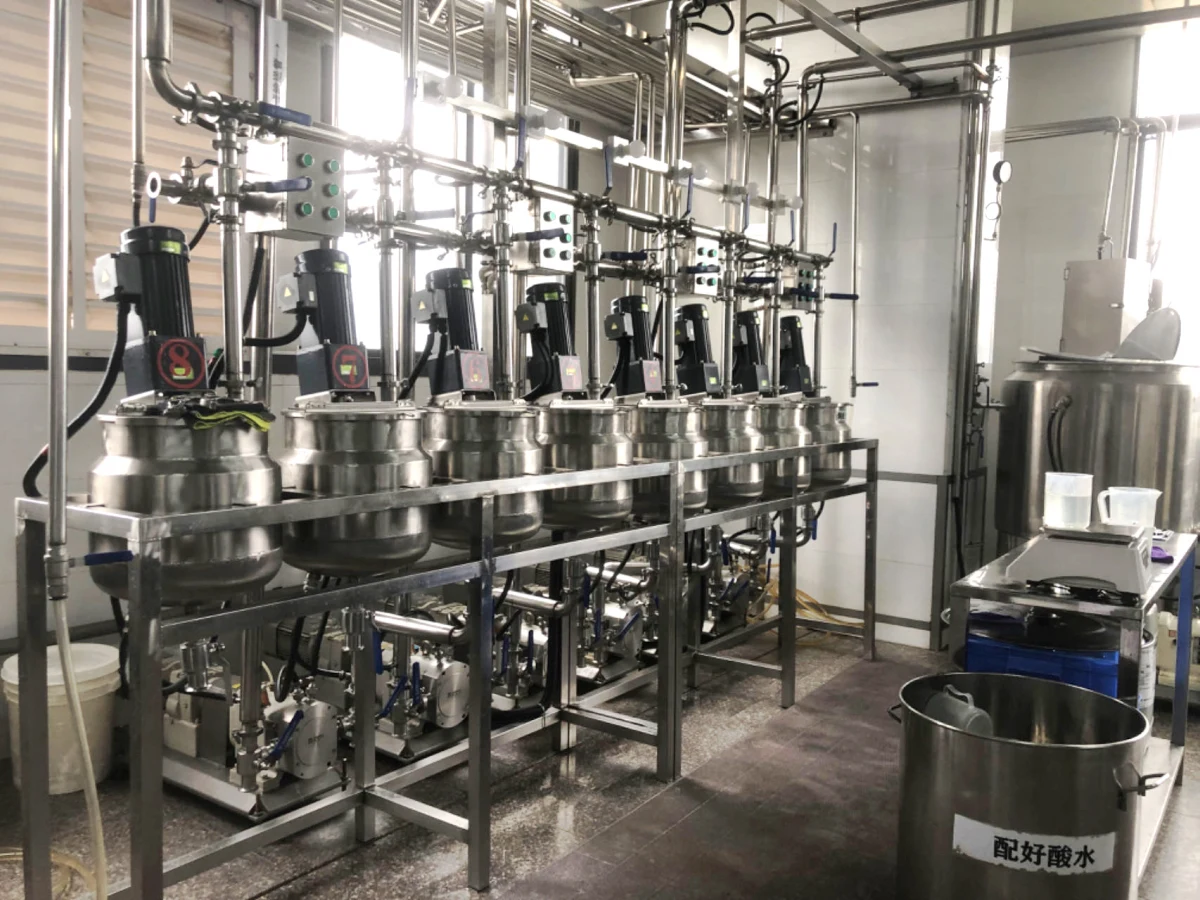
Private label candy manufacturing means you choose from a pre-developed catalog of existing candy products, and the manufacturer simply applies your brand and packaging.
The product is already:
- Formulated
- Tested for stability and safety
- Mass-produced or production-ready
Industry research shows private label products are typically pre-formulated goods sold under a retailer’s brand with minimal customization beyond packaging
(Shopify).
Key Idea:
You brand it — the manufacturer provides the product.
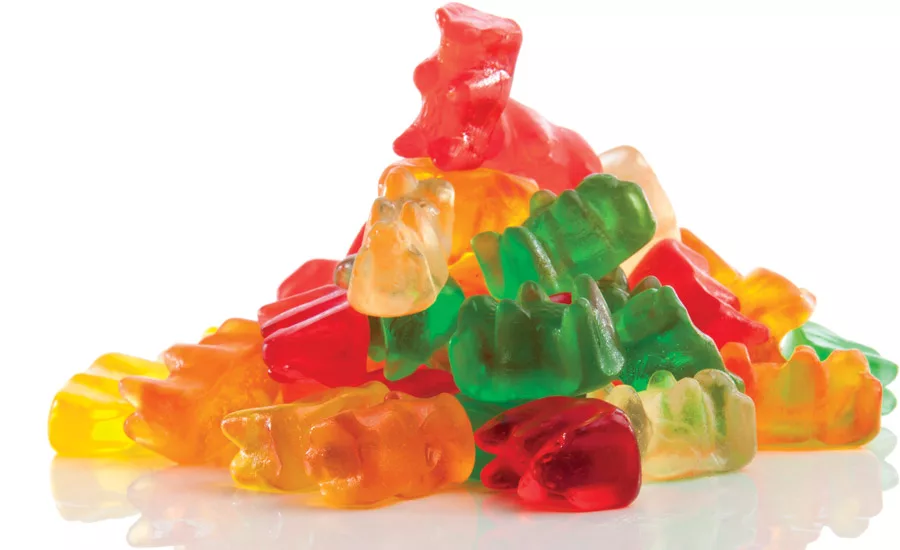
OEM vs Private Label Candy: Key Differences
| العامل | OEM Candy | حلوى ذات علامة تجارية خاصة |
|---|---|---|
| Product Design | Fully custom | Pre-developed |
| R&D Required | Yes | No |
| مدة طرح المنتج في السوق | أطول | Faster |
| التكلفة | Higher upfront | Lower startup cost |
| Brand Uniqueness | مرتفع | Medium to low |
| Control | Full control | Limited control |
| موك | أعلى | أقل |
Pros and Cons of OEM Candy Manufacturing
المزايا
- Full product uniqueness in flavor, texture, and shape
- Strong brand differentiation
- Higher long-term profit potential
- Better intellectual property control
العيوب
- Higher development cost
- Longer production timeline
- Requires stronger market testing and validation
Pros and Cons of Private Label Candy Manufacturing
المزايا
- Fast market entry
- Lower development cost
- No R&D or formulation effort required
- Ideal for startups or seasonal product launches
العيوب
- Limited differentiation
- Less control over ingredients and formulation
- Harder to build long-term brand uniqueness
When Should You Choose OEM Candy?
OEM is best if:
- You want a unique signature product
- You already have market validation or strong branding
- You plan long-term brand building
- You need product differentiation from competitors
Example: A brand launching a patented gummy texture or functional candy line.
When Should You Choose Private Label Candy?
Private label is best if:
- You want to enter the market quickly
- You are testing new product categories
- You have a limited budget
- You want low operational complexity
Example: Seasonal gummies, promotional candies, or retail-ready candy assortments.
FAQ: OEM vs Private Label Candy
1. Is private label the same as OEM?
No. Private label uses existing products with branding only, while OEM involves custom product development from scratch.
2. Which is cheaper, OEM or private label?
Private label is generally cheaper due to no R&D or mold development costs.
3. Can I switch from private label to OEM later?
Yes. Many brands start with private label to test demand, then move to OEM.
4. Which model is better for startups?
Private label is usually better for startups due to lower cost and faster launch speed.
5. Which model builds a stronger brand?
OEM builds stronger long-term brand identity because the product is unique.
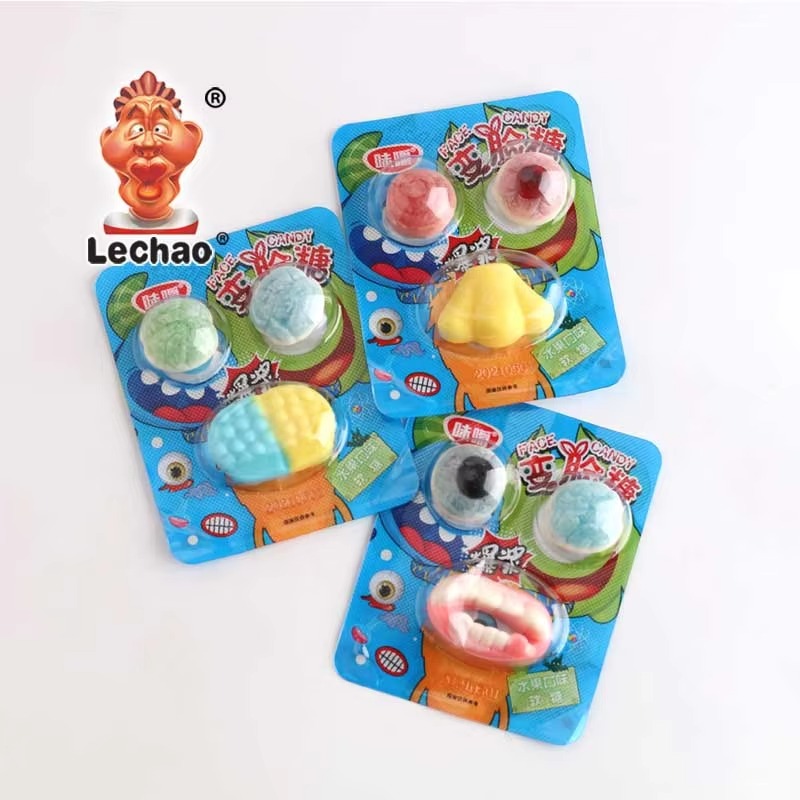
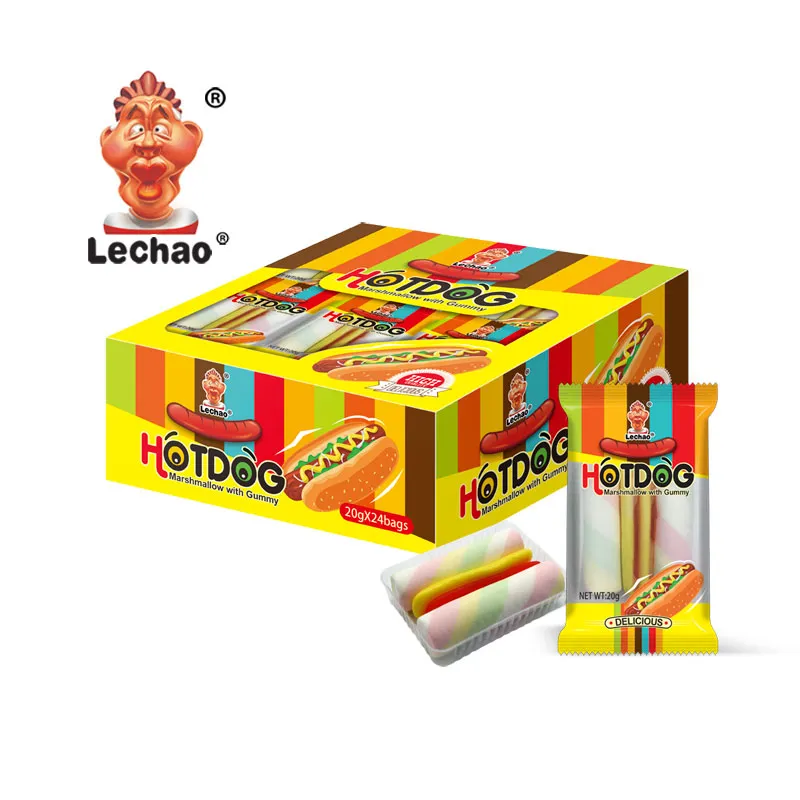
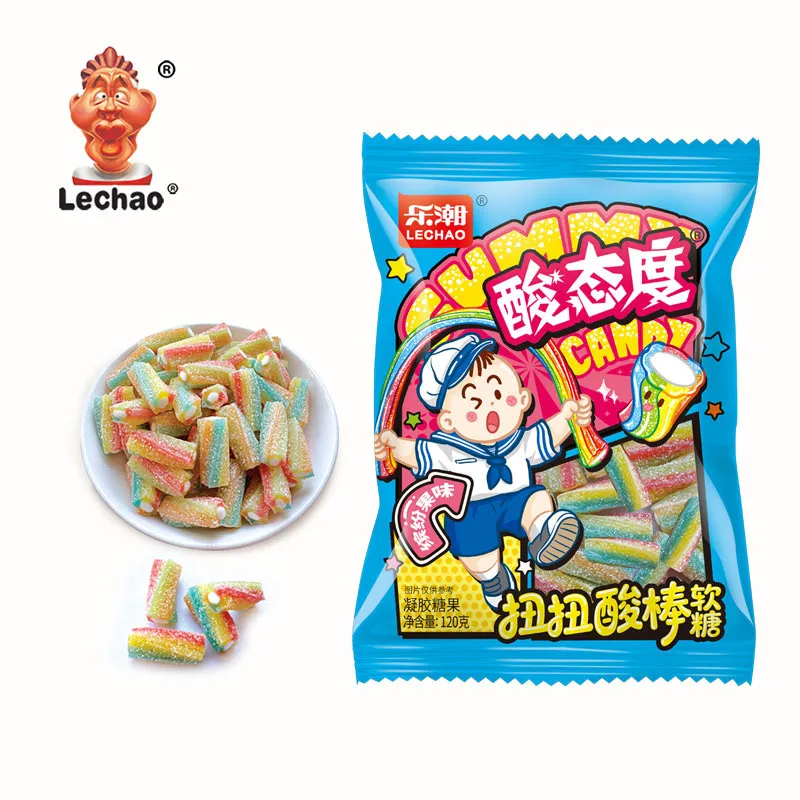
الخاتمة
Both OEM and private label candy manufacturing play important roles in the confectionery industry. The right choice depends on your growth stage, budget, and brand strategy.
If your goal is speed and simplicity, private label is a practical entry point. If your goal is long-term brand ownership and product innovation, OEM is the stronger path.
LeChao Candy: Professional Candy Manufacturer Since 1991
تُعد شركة LeChao Candy شركة متخصصة في soft candy manufacturer established in 1991, specializing in gummies, licorice, marshmallows, jelly beans, and chocolate candies. With over 500 candy molds and strong OEM/ODM capabilities, we support global brands with custom formulations, rapid quotation, strict quality control, and reliable worldwide logistics.
Whether you are building a new private label candy line or developing a fully customized OEM product, LeChao Candy provides the expertise and manufacturing strength to bring your ideas to life.
👉 Let’s build your next successful candy brand together.