AR
AR  EN
EN  ZH
ZH  FR
FR  DE
DE  RU
RU  ES
ES  JA
JA  KO
KO 

الحلوى الصمغية الحلال is the most liquid good at the international level and are also very popular among retail consumers. With the increasing Muslim population around the world, and with consumer attention towards safety and traceability of raw materials, the market of Halal Confectionery is also on the rise. For companies that sell mainly B2B, being halal certified doesn’t just mean you can legally sell the product; it means your product is one that potential customers can trust.
Several major questions arise for gummy buyers when searching for sources: Are gummy bears made using animal-derived gelatin? Do they contain alcohol-based flavourings? Are their formulas and manufacturing processes fully compliant with Halal standards? Many distributors still lack knowledge on the most fundamental question surrounding gummies: What are halal gummy candies?
With the published world’s top quality and strict testing standards for almost four decades, the confectionery maker LeChao Candy has accumulated rich experiences in the area of halal gummy candy R&D, halal certification, and halal gummy candy export. This article will define the key aspects of halal gummy candy certification for you to consider in deciding on the safety and feasibility of your potential vendors as pertinent to all procurement and brand promotion decisions.
What is Halal Gummy Candy? Core Definition and Judgment Criteria
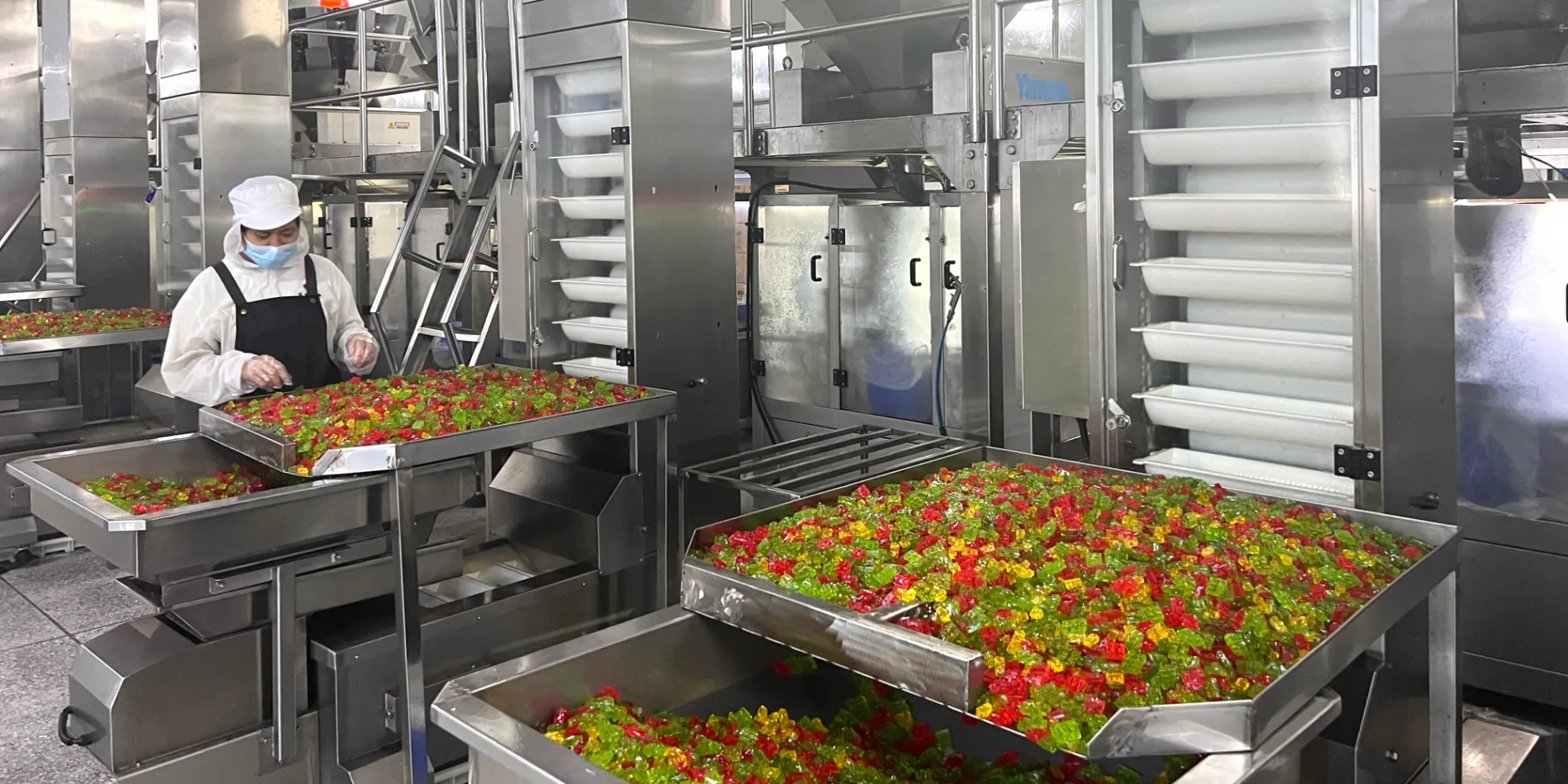
Halal Gummy Candy is defined as gummy candy that follows all of the rules regarding how gummy candy is made, from the raw ingredients all the way through logistics (packaging & shipping). The simplest way for a Distributor to determine if a product is halal is not simply by looking for the words “no pork” on the label.
To properly assess whether a product is Halal, the first thing to look at is the Raw Ingredient stage. A typical gummy bear uses animal gelatin. While manufacturers of Regular animal gelatin utilize the regular animal gelatin, producers of Halal gummy bears may use certified Halal gelling agents made from the bones or hides of animals slaughtered under Halal standards, and/or use Halal plant-based alternatives such as Pectin, Carrageenan, Starch, and more.
Along with the primary ingredients, the production method is Halal gummy candy’s second key attribute. While the gummy candy recipe meets all the requirements for Halal ingredients, the line makes non-Halal products as well (and are not separated by strict cleaning isolation procedures), this can result in cross-contamination. › As a result, professional halal gummy candy producers can manufacture/use segregated lines for halal gummy candy or they have third-party verification on their processes.
By knowing these basic definitions, Distributors can ensure they ask better questions when communicating with gummy factories as opposed to simply requesting a certificate.
Halal Gelatin for Gummies: Why Halal Gelatin is Key
In gummy formulations, gelatin determines texture, elasticity, and stability; therefore, halal gelatin for gummies is the most crucial and also the most problematic link in the halal gummy system.
Market data shows that over 60% of gummies worldwide still use animal gelatin, a significant portion of which has an unknown origin. For distributors looking to enter the Middle East, Southeast Asia, or Muslim communities, choosing a halal gummy candy manufacturer with halal gelatin traceability capabilities is crucial.
Halal gelatin typically needs to meet three conditions:
1) The raw animal itself must be a halal-permitted species;
2) The slaughtering method must comply with Islamic regulations;
3) No non-halal substances must be present during processing.
In addition, more and more brands are adopting plant-based solutions to avoid gelatin controversies. These gummies are more readily accepted by consumers on the label and are often used to answer the question what gummy candy is halal. It’s important to note that different gelatin systems significantly affect taste and heat resistance; only Halal Gummy Candy manufacturers with R&D capabilities can achieve a balance between “halal” and “good taste”.
Halal Gummy Candy Certification Process: 5 Steps Distributors Must Understand
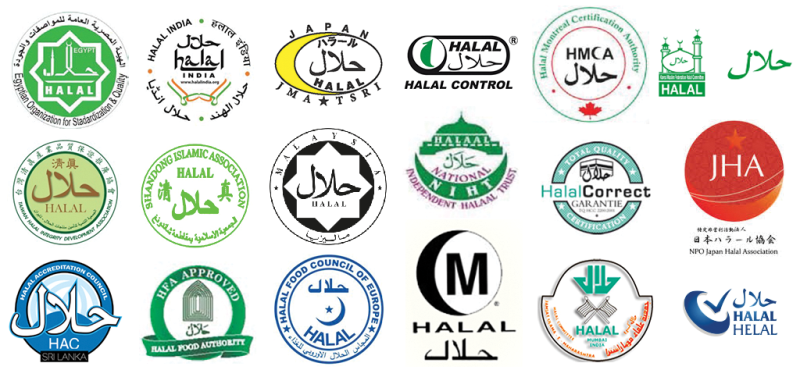
Obtaining الحلوى الصمغية الحلال certification is not a one-time event but a systematic process. Generally, the formal certification process includes the following key steps:
First, raw material verification. All raw materials must provide proof of halal origin, including halal gelatin for gummies, flavorings, colorings, acidity regulators, etc. Second, formula evaluation. The certification body will conduct a risk assessment of the complete formula, focusing on the presence of alcohol or controversial additives.
Third, factory audit. This includes production line layout, cleaning processes, warehouse management, and employee operating procedures.
Fourth, documentation and training. The factory needs to establish a traceability system and provide halal awareness training to employees.
Fifth, continuous review. Certificates usually have an expiration date and require periodic review.
For distributors, understanding this process helps determine whether a halal gummy candy manufacturer truly has the long-term stable supply capability, rather than being a “temporary certificate holder.” It also allows for a more professional and credible answer when explaining what gummy candy is halal to customers.
Market and Application Scenarios: Global Growth Opportunities for Halal Gummies
From a market perspective, the demand for Halal Gummy Candy is no longer limited to traditional Muslim countries. Halal and “clean label” food channels in Europe, North America, and Australia are also growing rapidly. Many non-Muslim consumers also view halal as a safer and more regulated food standard.
In practice, halal gummies are widely used in retail bagged candies, children’s candies, functional gummies, and the festive gift market. Especially during Ramadan and Eid al-Fitr, distributors are highly reliant on Halal Gummy Candy manufacturers with stable supply capabilities.
It’s worth noting that more and more brands are explicitly explaining what gummy candy is halal in their packaging and marketing, educating consumers to improve conversion rates. This also means that factories are not only producers but also technology and compliance supporters behind the brand.
How to Choose a Reliable Halal Gummy Candy Manufacturer
Selecting a proper halal gummy candy manufacturer is significant for distributors to successfully enter this market. These are the key considerations while selecting a manufacturer:
First, consider the quality of the certification, not merely how many certificates they have.
Second, evaluate if they can provide a stable supply chain of halal gelatin for making gummies.
Third, focus on their R&D and customization ability; can they change the flavor, shape, and packaging based on the demand of various markets?
Fourth, evaluate their quality control and logistics experience to ensure that their goods are stable enough to transport to distant places.
An established halal gummy candy producer is responsible for the production of the food and is also able to empower the distributors by giving them compliance and marketing plans for new market entries and consequently minimizing risks associated with the new market entries.
Conclusion: Halal Certification is Reshaping the Competitiveness of the Gummy Candy Industry
Overall, الحلوى الصمغية الحلال has progressed from being a “compliance requirement” to a “competitive advantage in the marketplace.” Distributors should understand what makes gummy candy halal, be knowledgeable on the technical properties regarding halal gelatin for gummies, and establish partnerships with trustworthy halal gummy candy manufacturers so they can build a strong, lasting brand.
As the industry advances, there will be stricter regulations and increased consumer education about halal gummies, which will drive continued improvement in quality, customization, and globalization of halal gummies. Distributors need to begin planning early and secure relationships with professional manufacturers if they want to remain competitive in this segment of the market.
حول لي تشاو كاندي
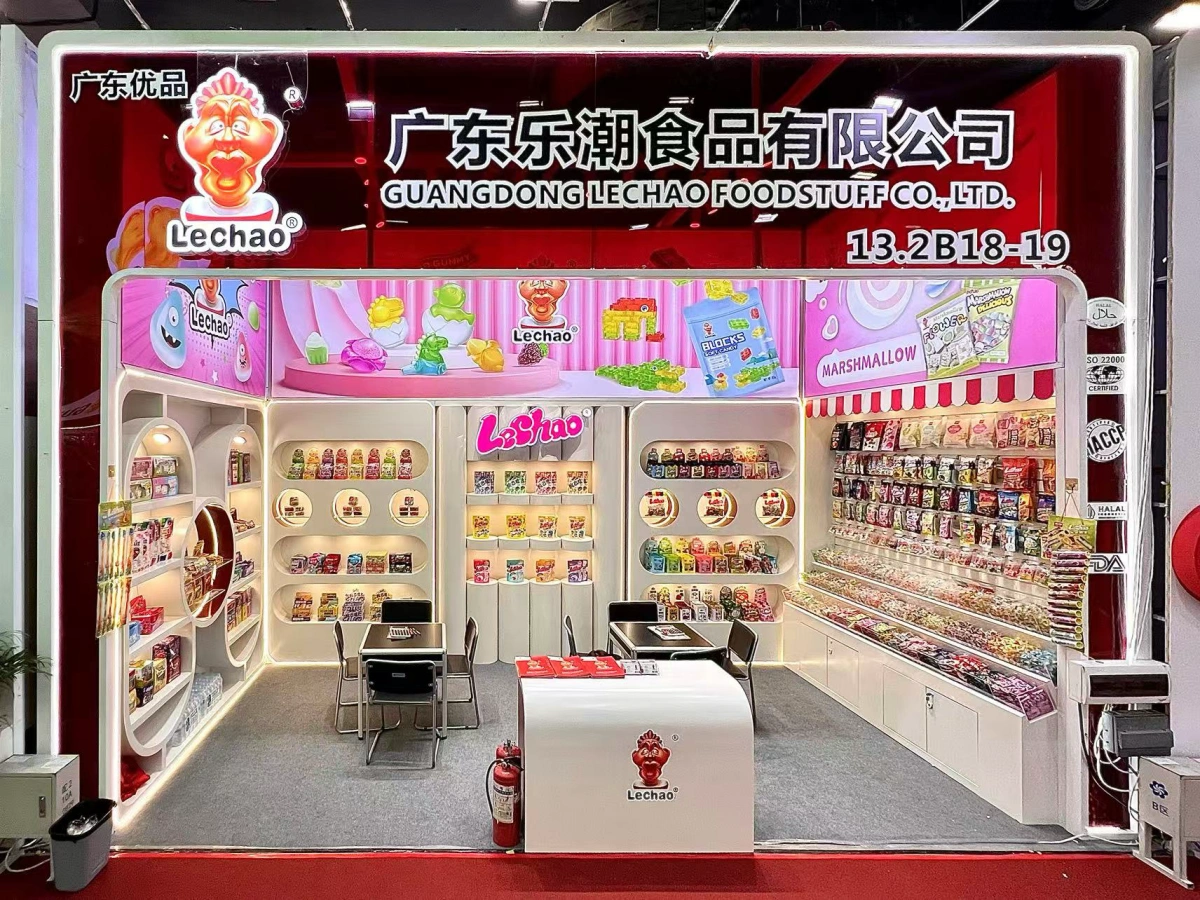
تأسست عام 1991, لي تشاو كاندي من ذوي الخبرة Halal Gummy Candy manufacturer, concentrating on gummy, licorice candies, gummy beans, marshmallows, and chocolate candies research and production. LeChao Candy now possesses over 500 molds in stock, allowing us to focus on design formulation, quick quotation, quality control, and logistic services worldwide. Whether it is mass production of halal gummy candies or in-depth formulation development for high-end clients, LeChao Candy is a one-stop provider for worldwide distribution partners.
الأسئلة الشائعة
Q1: Are all gummies without pork gelatin Halal Gummy Candies?
Not necessarily. Even if a gummy doesn’t contain pork gelatin, if they contain artificial flavors, colors, or have non-compliant production processes, they may not be considered Halal Gummy Candies.
Q2: Are all plant-based gummies halal?
In most cases, yes, but it’s still necessary to confirm whether alcohol solvents or flavorings are used. This is a detail often overlooked when answering the question “What gummy candy is halal?”
Q3: Does halal certification significantly increase costs?
It increases slightly compared to regular gummies, but through large-scale production and a mature Halal Gummy Candy manufacturer, costs can be effectively controlled.