AR
AR  EN
EN  ZH
ZH  FR
FR  DE
DE  RU
RU  ES
ES  JA
JA  KO
KO 
Candy color is not simply an aesthetic choice. The coloring system can affect appearance, formulation, processing stability, production consistency, cost, and market positioning.
Natural and artificial colors each have practical advantages and limitations. From the perspective of a شركة تصنيع الحلوى, LeChao can point out that the better option depends on the product formula, processing conditions, target market, and required appearance rather than the color source alone.
How Are Natural and Artificial Colors Made for Candy?
The main difference begins with how the coloring compounds are obtained.
How Are Natural Food Colors Extracted?
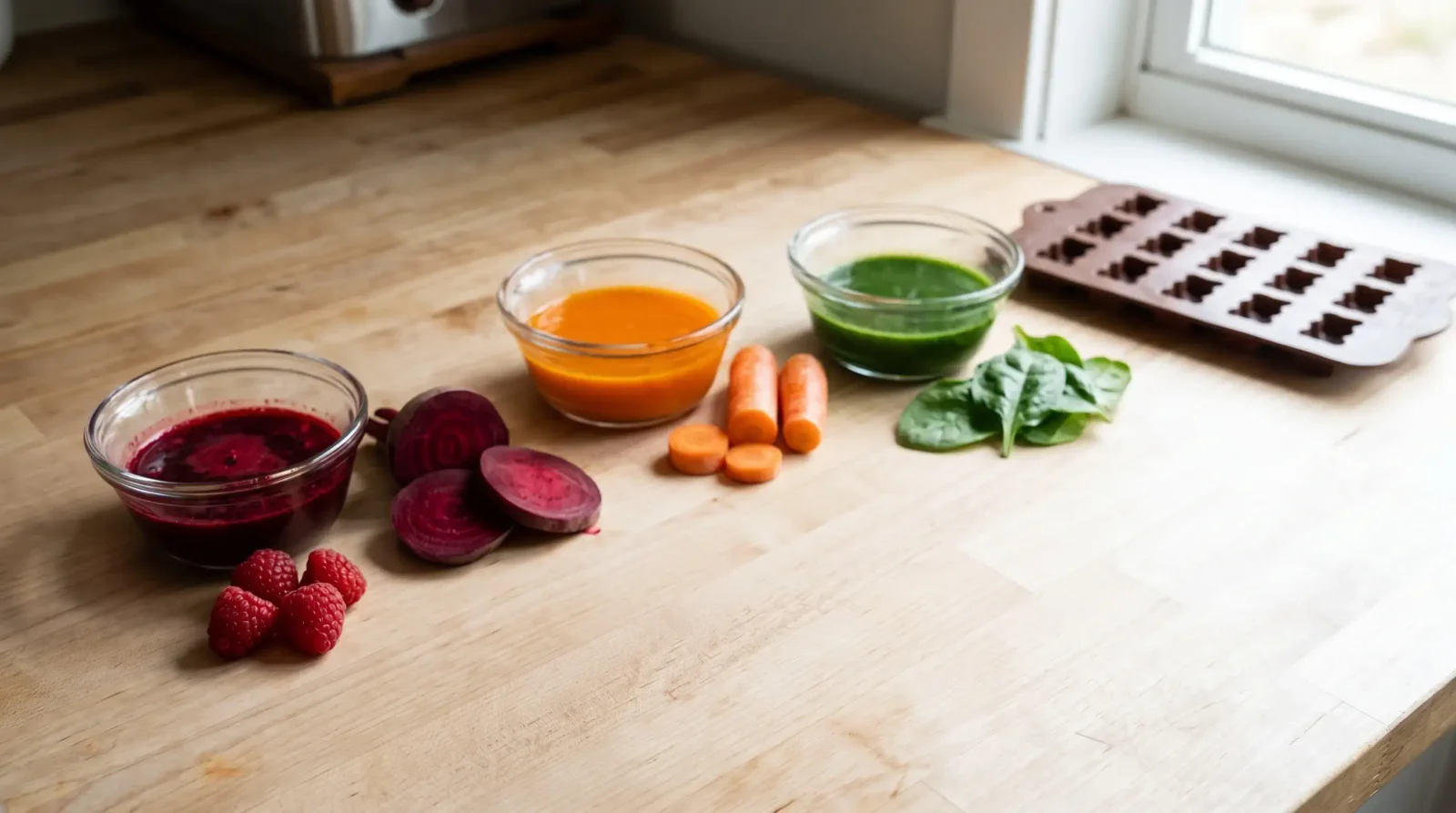
Natural food colors are obtained from permitted natural sources such as plants, fruits, vegetables, algae, minerals, and other natural materials containing suitable coloring compounds.
A simplified production process includes:
- Source selection: The manufacturer selects a suitable natural source according to the required color.
- Raw material preparation: Materials may be cleaned, sorted, crushed, dried, or milled.
- Color extraction: The coloring compounds are extracted using an appropriate process and permitted extraction medium.
- Concentration and purification: The extract is concentrated and may be purified to increase color strength and remove unwanted components.
- Stabilization and standardization: The color is processed to improve consistency and make it more suitable for food applications.
- Final preparation: Natural colors can be supplied in forms such as powders or liquid preparations.
Because different natural sources contain different coloring compounds, their performance can vary considerably. Factors such as pH, temperature, light, oxygen, and storage conditions can affect the final color.
How Are Artificial Food Colors Produced?
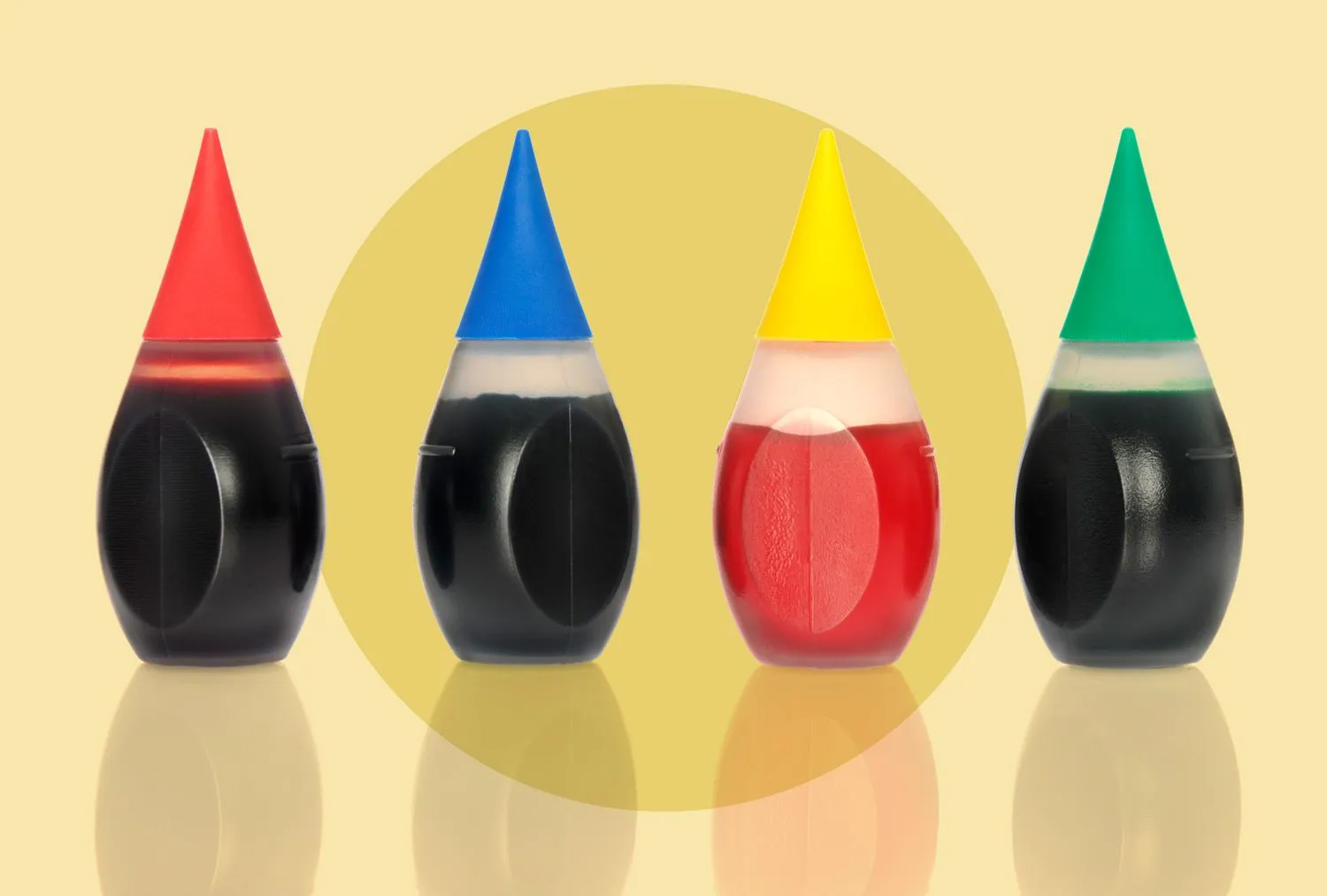
Artificial colors are manufactured through controlled chemical synthesis rather than being directly extracted from plants.
The general manufacturing process involves:
- Chemical synthesis: Specific reactions are used to produce molecules with the desired color properties.
- Reaction control: Parameters such as temperature, reaction time, and reactant ratios are controlled.
- Purification: The resulting color compound is purified to remove unwanted by-products and impurities.
- Standardization: The finished color is controlled for properties such as concentration, purity, and color strength.
- Final preparation: The colorant is prepared in a suitable form for food and candy manufacturing.
This controlled production process allows manufacturers to achieve predictable color strength and batch-to-batch consistency, which is particularly useful for large-scale candy production.
Natural Colors for Candy: Advantages and Disadvantages
Natural coloring can be an important choice when the candy itself is positioned around natural or clean-label ingredients.
Advantages of Natural Food Colors
Natural-label positioning: Natural colors can support products marketed around natural ingredients and simpler ingredient concepts.
Clean-label products: They can be suitable when avoiding synthetic color additives is part of the product specification.
Consumer-friendly positioning: Some consumer groups prefer products using colors derived from natural sources.
Premium candy: Natural coloring can support premium product concepts where ingredient sourcing and formulation are part of the value proposition.
Disadvantages of Natural Food Colors
The main challenge is that natural colors can be more sensitive to manufacturing and storage conditions.
- Some natural colors provide less intense coloration than synthetic alternatives.
- Heat, light, oxygen, and pH can affect color stability.
- Color may fade or change during processing or extended storage.
- Formulations may require additional adjustment to achieve the desired appearance.
- Higher dosage or additional formulation work can increase overall product costs.
For example, a color that looks attractive in a laboratory sample may perform differently after heating, processing, packaging, and several months of storage. Manufacturers therefore need to evaluate the color under actual production conditions.
Artificial Colors for Candy: Advantages and Disadvantages
Artificial colors remain widely used because they provide highly predictable performance in commercial candy production.
Advantages of Artificial Food Colors
Strong color intensity: Artificial colors can provide vivid colors at relatively controlled usage levels.
High consistency: Their standardized production makes it easier to reproduce the same color from batch to batch.
Wide color range: Manufacturers can work with a broad range of color options and adjust the final appearance more precisely.
Easier formulation control: Their predictable performance can simplify color adjustment during product development.
Cost efficiency: For some products, strong color intensity and predictable performance can make artificial colors commercially efficient.
These characteristics are especially useful for candies where bright visual appearance and consistent color reproduction are important.
Disadvantages of Artificial Colors
The main limitations are related to product positioning and market requirements.
- They may not fit natural, clean-label, or certain premium product concepts.
- Consumer preferences toward synthetic additives vary between markets.
- Different countries and markets can have specific requirements regarding permitted color additives, usage levels, and labeling.
Therefore, artificial coloring should not be considered inherently inferior. Its suitability depends on the product specification and target market.
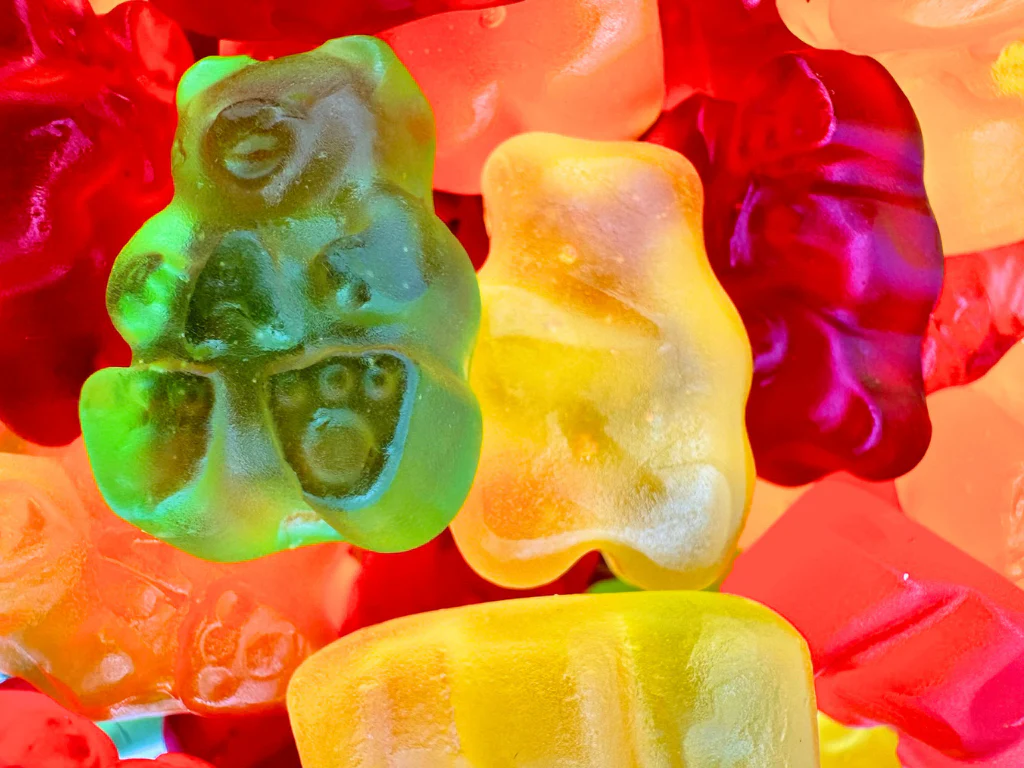
Natural vs Artificial Colors in Candy: A Manufacturer’s Comparison
| العامل | ألوان طبيعية | الألوان الاصطناعية |
|---|---|---|
| Color intensity | Depends on source; can be moderate to strong | Generally strong |
| Consistency | May require tighter formulation control | Highly predictable |
| الاستقرار | More sensitive to application conditions | Generally easier to control |
| Color range | Depends on available natural sources | Broad and controllable |
| Formulation complexity | Can be higher | Generally lower |
| التكلفة | Can be higher depending on application | Often more cost-efficient |
| Consumer positioning | Natural, clean-label, premium | Mainstream, vivid, visual-focused |
| Processing tolerance | Highly product-specific | Generally predictable |
| Regulatory requirements | Depends on market and color source | Depends on market and additive |
This comparison should not be treated as an absolute rule. The actual performance depends on the specific colorant, candy formula, processing conditions, packaging, and target market.
Which Color Should Candy Manufacturers Choose?
There is no universal answer. The color system should be selected according to the product’s commercial and technical requirements.
Choose Natural Colors When…
Natural coloring may be more appropriate when:
- Natural or clean-label positioning is important.
- Target consumers value natural ingredients.
- The candy is positioned as premium.
- The formulation can accommodate natural color stability requirements.
- The target market has specific expectations regarding natural coloring.
In these cases, manufacturers need to test not only the initial color but also its performance throughout production and shelf life.
Choose Artificial Colors When…
Artificial coloring may be preferable when:
- Strong and vivid colors are essential.
- Batch-to-batch color consistency is critical.
- Large-scale production requires predictable results.
- Cost efficiency is an important consideration.
- The product does not depend on natural or clean-label positioning.
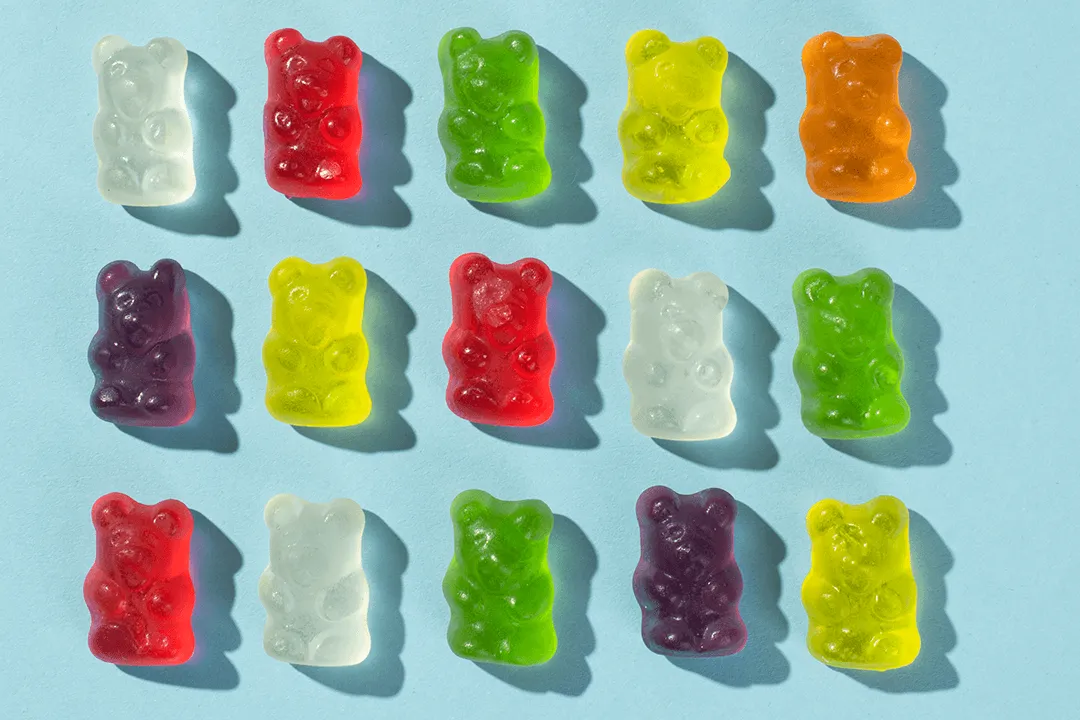
For highly visual products such as brightly colored gummies, consistent color reproduction can be particularly important for maintaining product appearance across different production batches.
Consider a Product-Specific Color Strategy
Instead of choosing natural or artificial colors first, manufacturers should evaluate the complete product specification.
ومن بين العوامل المهمة ما يلي:
- نوع الحلوى
- pH level
- Processing temperature and time
- نسبة الرطوبة
- Expected shelf life
- التعبئة والتغليف
- شروط التخزين
- Target market regulations
This approach helps avoid selecting a color based only on its appearance in a sample.
What Should Buyers Discuss With a Candy Manufacturer?
When developing a new candy product, buyers should provide enough information for the manufacturer to evaluate the coloring system properly.
1. Target Market
The destination market determines applicable food-color regulations and may influence consumer expectations.
2. Product Positioning
Clarify whether the product is mainstream, premium, natural, clean-label, functional, or value-oriented.
3. Expected Color and Appearance
Specify the desired color, brightness, transparency, opacity, or visual reference where possible.
4. Candy Formulation
Ingredients and characteristics such as pH, acidity, fat content, and moisture can influence color performance.
5. Processing Conditions
Manufacturers need to consider heating, cooking, molding, cooling, coating, and other production stages.
6. Required Shelf Life
The color must remain acceptable throughout the expected commercial shelf life, not just immediately after production.
7. Packaging and Storage
Packaging can influence exposure to light, oxygen, and moisture, which may affect color stability.
8. Regulatory Requirements
The manufacturer should confirm that the selected color system is suitable for the intended market and labeling requirements.
How Color Choice Affects Candy Product Development
Appearance and Brand Identity
Color is one of the first visual characteristics consumers notice. Consistent color can help products maintain a recognizable appearance across batches and support brand identity.
For gummies and other highly visual candies, color can also communicate flavor expectations. A mismatch between expected and actual color may affect the consumer’s perception of the product.
Production Consistency
Color selection affects manufacturing control. A color system that performs consistently makes it easier to maintain the same appearance across production runs.
Natural colors may require closer monitoring because their performance can be more sensitive to formulation and processing conditions.
Cost and Commercial Viability
The price of the colorant is only one part of the calculation.
Manufacturers should also consider:
- Required dosage
- Formulation adjustments
- Processing losses
- Stability during storage
- Additional testing
- Production consistency
A lower-cost colorant is not necessarily the lowest-cost solution if it requires higher dosage or creates stability problems.
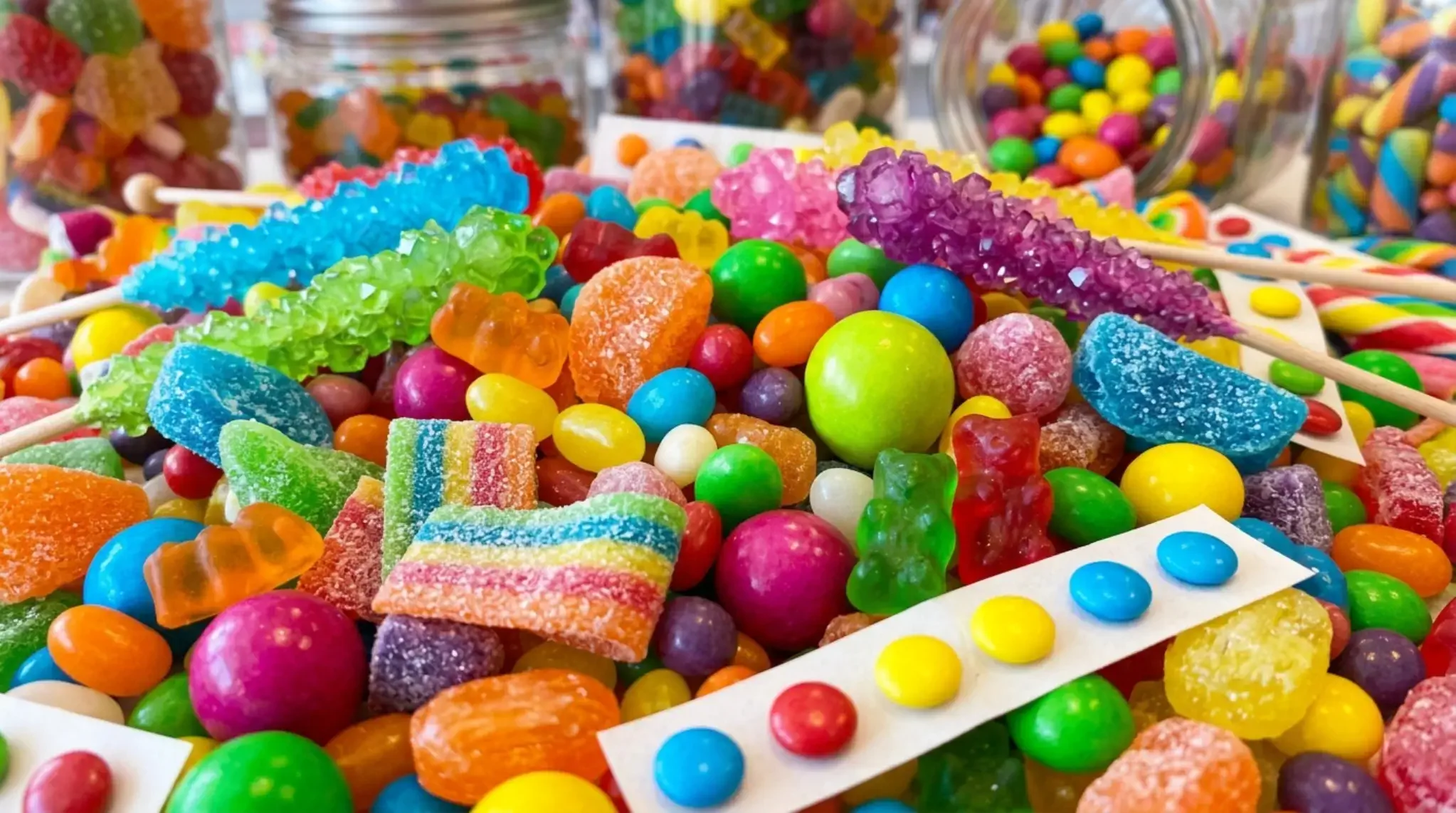
Conclusion: Choose the Color System That Fits the Product
Natural and artificial colors solve different manufacturing requirements.
Natural colors can support clean-label, natural, and premium product positioning, but may require greater attention to stability, formulation, and cost.
Artificial colors can provide strong, consistent, and predictable coloration, making them practical for many mainstream candy applications where visual consistency is important.
For candy buyers and manufacturers, the right decision should be based on the complete product specification: consumer expectations, formulation, processing, color stability, regulatory requirements, shelf life, and total cost.
FAQs About Natural and Artificial Colors in Candy
Are natural colors better than artificial colors in candy?
Not necessarily. Natural colors may be better for products requiring natural or clean-label positioning, while artificial colors may provide better intensity, consistency, and cost efficiency for other applications.
Why do candy manufacturers use artificial colors?
Artificial colors provide strong and predictable coloration, making them useful when manufacturers need consistent appearance across large production volumes.
Are natural colors more expensive for candy?
They can be. Cost depends on the specific color, required dosage, formulation, processing requirements, and stability of the finished product.
Are natural colors stable in gummy candy?
Stability varies by colorant and formulation. Factors such as pH, heat, light, oxygen, moisture, and storage conditions should be evaluated during product development.
Which is better for clean-label candy: natural or artificial colors?
Natural colors are generally more compatible with a clean-label positioning when the product specification calls for coloring from natural sources. However, the specific definition of clean label varies by market and product requirements.