EN
EN  ZH
ZH  FR
FR  DE
DE  RU
RU  ES
ES  JA
JA  KO
KO  AR
AR 

To successfully enter the market on an international level, compliance plays an extremely significant role. Whether it relates to gummies, licorice candies, chocolates, or any candy, compliance with global standards on food safety and certification plays an extremely integral role.
In this article, we will discuss and introduce these regulatory needs and certification processes of the candy industry and explain ways and methods on how you can be assured that your sourced goods comply with these.
Food Safety Standards: Ensuring Products Meet International Requirements
Food safety is considered a basic requirement within the candy sector. Various governments and international agencies have developed a range of standards in an effort to improve food safety and product quality within the confectionery sector. For instance:
Food Additives
Many nations have strict rules and regulations regarding food additives used in confectionery. For instance, there are strict guidelines issued by the EU and US regarding food additives, and it is necessary that the food additives put into use are as per the requirements of these nations.
Food Labeling
Food labels, particularly those on sweets and candies, should include information about ingredients, nutritional values, and dates. Food labeling with facts about ingredients, nutritional values, and dates, among others, constitutes an expression of a customer’s right and a requirement for compliance with regulations.
Allergen Management
Allergen management is also a great consideration for the confectionery sector. Different nations have strict labeling rules on allergens, and confectionery manufacturers should make sure that all possible allergens are labeled and that necessary preventive measures are followed.

Important Certifications: International Standards such as ISO and HACCP
To make sure that these candy products comply with food safety standards set for global markets, some manufacturers opt for an international certification. Below are some common certification standards followed by the confectionery sector:
ISO Certification
ISO stands for the International Organization for Standardization. It offers various standards for food safety and quality. For instance, an ISO 9001 certification focuses on quality, and an ISO 22000 certification relates to food safety. The advantage of these certifications is that they enable candy makers to produce goods that meet global food safety and quality standards from production to distribution.
HACCP Certification
HACCP stands for Hazard Analysis and Critical Control Points. It is a very prominent food safety standard and aims at eliminating food hazards at the production stage. Confectionery product manufacturers have to control food hazards and make sure that food products comply with food safety standards.
BRC Certification
BRC certification or British Retail Consortium certification is among the most recognized certifications on food safety standards within the global retail sector. BRC certification aids a confectionery products manufacturer in making a successful market presence and meeting strict food safety standards required by retailers and consumers.

How to Ensure Product Compliance with International Market Requirements
Candy manufacturers have to comply with global market standards and certifications as a prerequisite for entry into global markets. Below are some tips on compliance:
Regularly Check Changes in Regulations
Food safety regulations differ from country to country and are often updated from time to time. It is essential for candy makers to make regular checks on changes in food safety regulations and make necessary adjustments. For instance, changes may occur within the EU on food additives.
Strict Quality Control
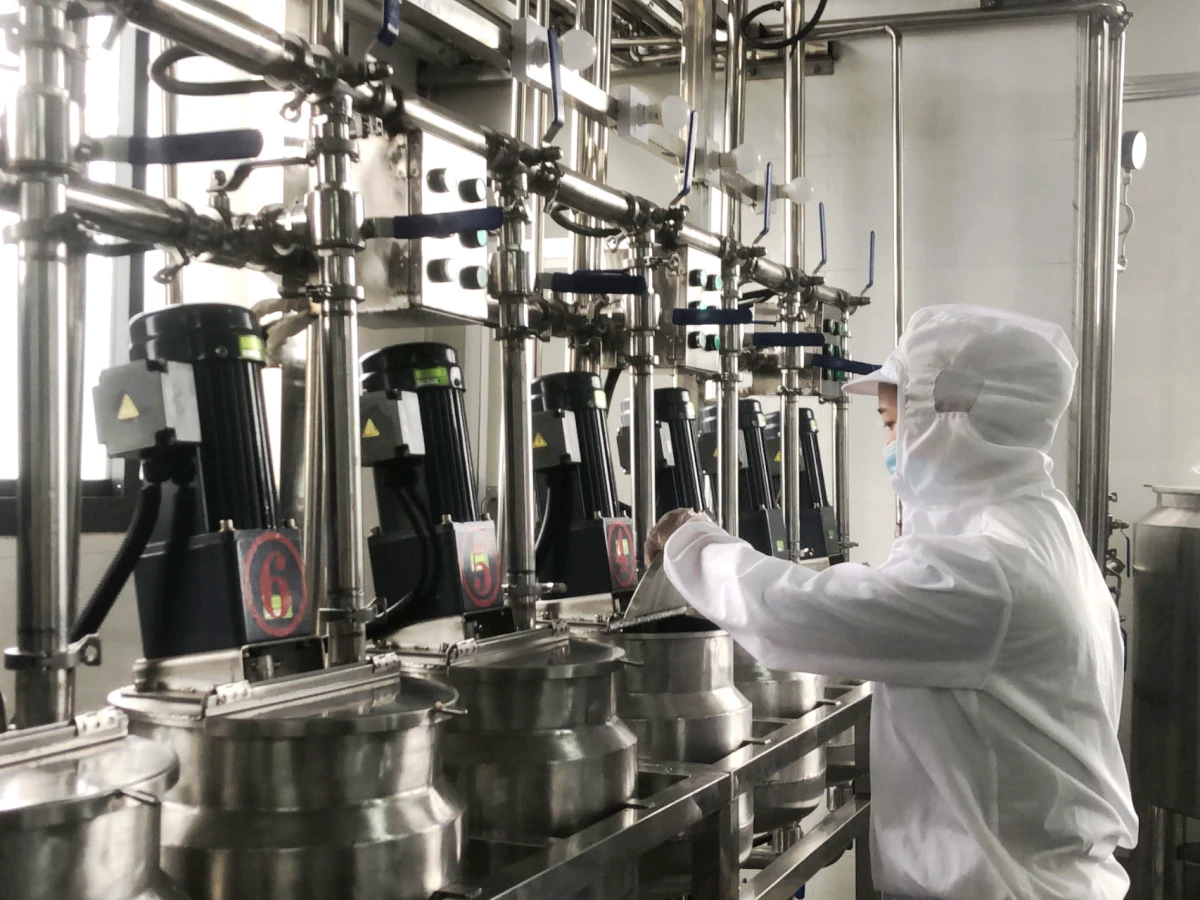
Create an efficient quality control system that will allow your business to maintain food safety standards throughout every stage, from purchasing raw materials to product production and distribution. A quality control system will help your business increase its brand reputation and prevent product defects.
Partner with Certification Bodies
Partner with professional certification bodies, which will enable companies to obtain certifications like ISO and HACCP. These certifications will not only improve product market competitiveness but will also cushion against legal risks.
Clear Labeling and Instructions
All products must have clear labeling that meets the legal standards required for that market. For instance, candies sold within the US market have legal labeling standards as per the FDA, and candies sold within the EU market have legal labeling standards as per EU food labeling rules.
Best Practices for Avoiding Legal Risks
Strengthen Employee Training
It is imperative that employees be trained on food safety and guidelines so as to improve food safety compliance. The training should focus on food safety operating procedures, standards on usage of additives, and labeling guidelines.
Establish an Internal Audit Mechanism
Internal audits should be conducted on a regular basis to ascertain compliance with food safety standards and certification, and necessary corrections should be made.
Maintain Transparent Supply Chain Management
Establish long-term and stable partnerships with suppliers and ensure that suppliers provide compliant raw materials. Transparent supply chain management can effectively avoid potential quality issues and compliance risks.
Summary
Complying with food safety standards and appropriate certifications within the confectionery industry not only ensures compliance with regulations, it also plays a vital role in securing market and customer confidence. Comprehending standards within the confectionery industry and following best practices, adhering to international certification standards, plays an effective role in preventing legal challenges and promoting entry into the global market.
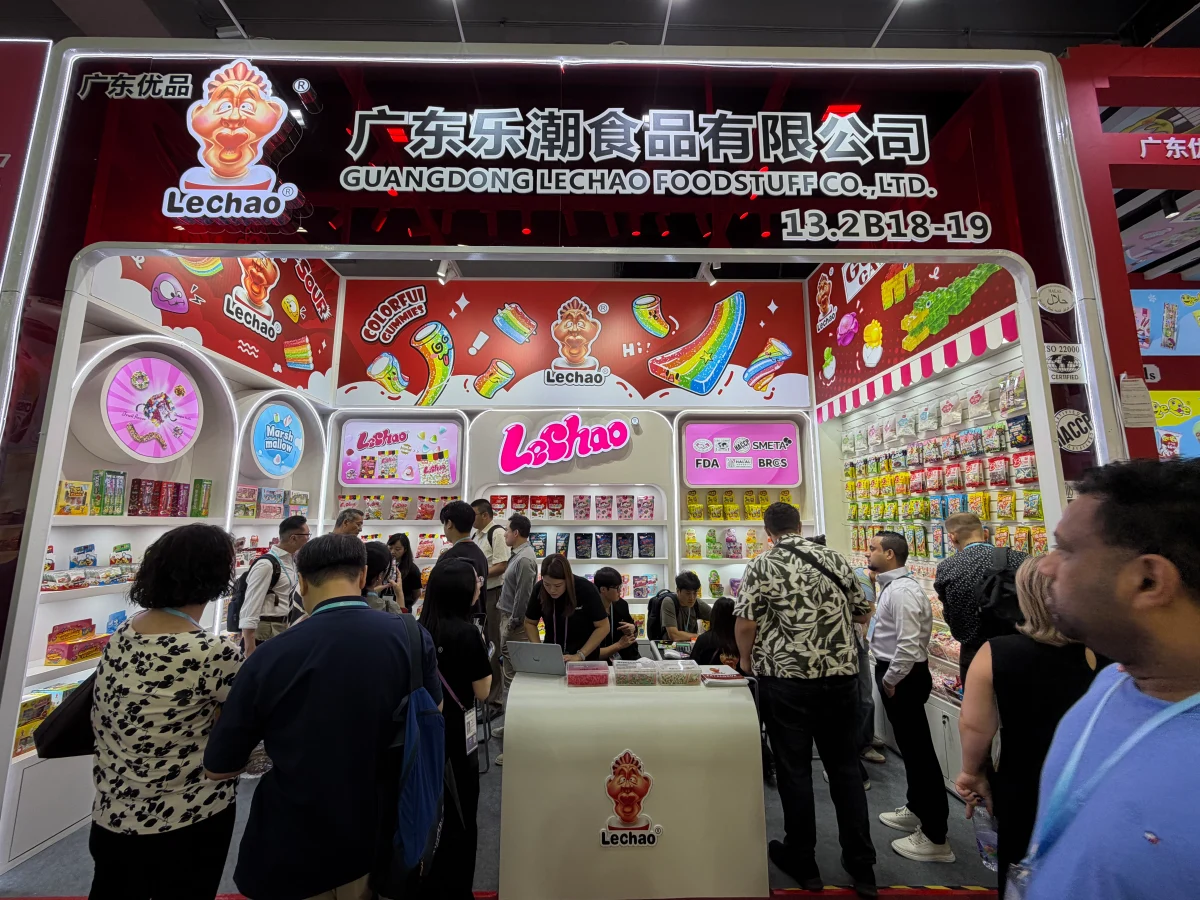
As a leading gummy candy manufacturer, LeChao Candy is committed to providing high-quality candy products that meet international standards and offering comprehensive support and services to candy brands and retailers.