ES
ES  EN
EN  ZH
ZH  FR
FR  DE
DE  RU
RU  JA
JA  KO
KO  AR
AR 
Licorice candy has a long-established position in confectionery markets, but buyers now have more product formats to choose from. Traditional licorice provides a familiar flavor and texture, while filled licorice adds an additional flavor and texture through an inner filling.
For wholesalers, distributors, importers, and candy brands, the question is not simply which product tastes better. The more useful question is which format fits the target market, consumer expectations, and product portfolio.
This comparison looks at the differences between filled licorice and traditional licorice to help buyers make a more practical sourcing decision.
What Is Traditional Licorice?
What Are the Characteristics of Traditional Licorice?
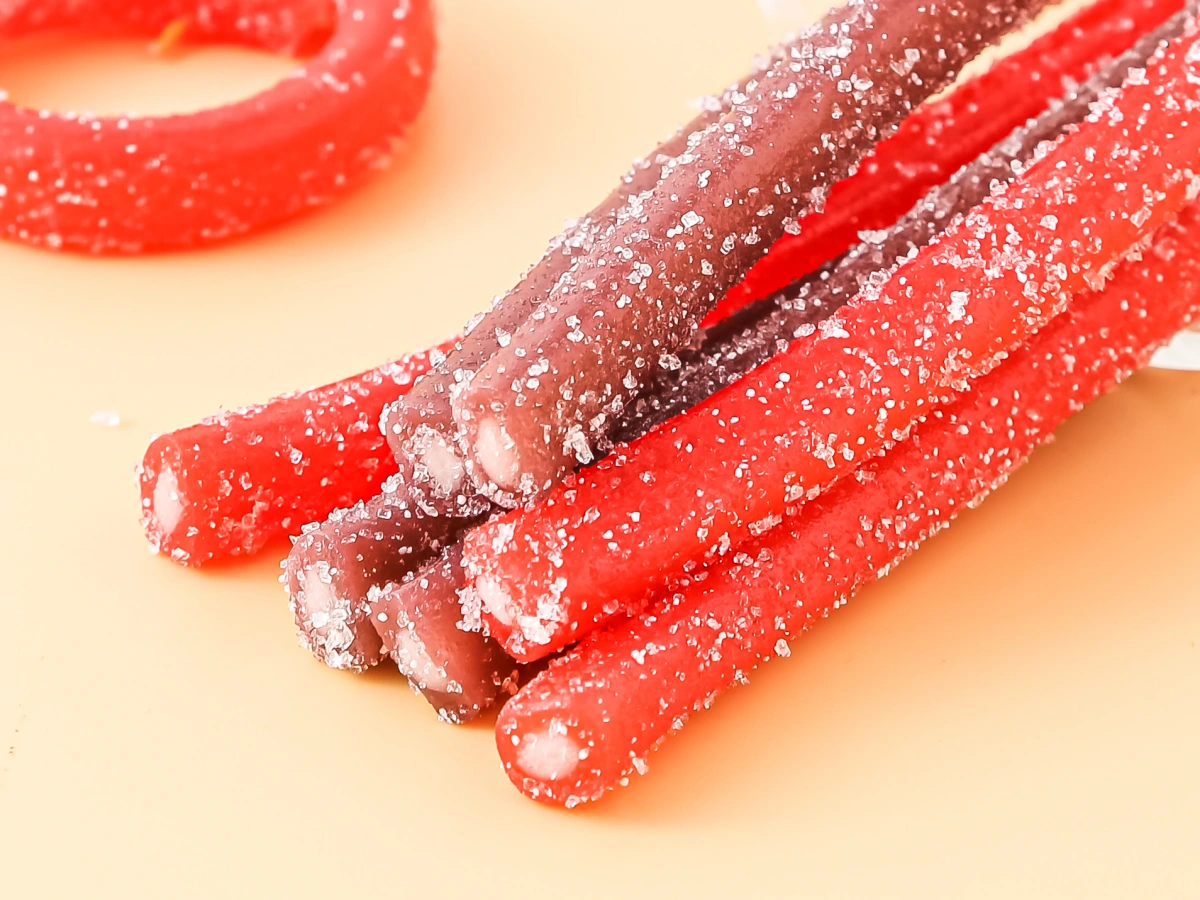
Traditional licorice is a relatively straightforward type of licorice candy with a consistent texture and recognizable licorice flavor.
It is commonly produced in formats such as ropes, twists, sticks, and individual pieces. Because the product does not contain an internal filling, consumers experience a consistent texture throughout the candy.
For buyers, this makes traditional licorice a familiar product that can work well as a core SKU in established candy markets.
Who Is Traditional Licorice Best For?
Traditional licorice is particularly suitable for:
- Established licorice consumers
- Traditional candy markets
- Everyday retail products
- Distributors looking for familiar products
- Buyers developing core candy SKUs
Its main advantage is familiarity. Consumers who already enjoy licorice do not need to adapt to a new product structure or flavor combination.
For distributors and retailers, this can make traditional licorice a practical choice when the goal is to maintain a dependable product assortment.
What Is Filled Licorice?
What Are the Characteristics of Filled Licorice
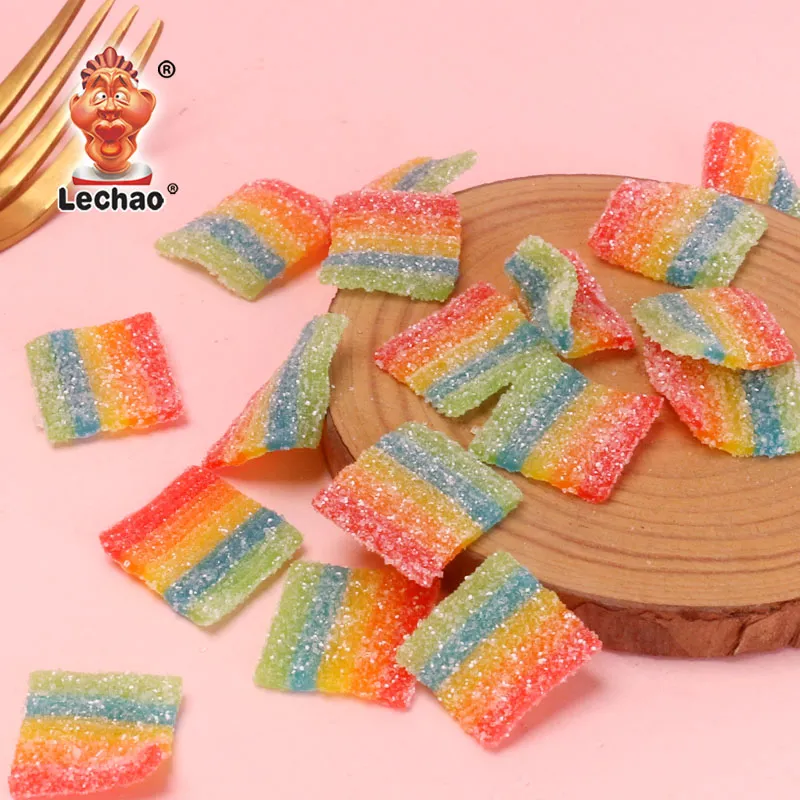
Filled licorice combines an outer licorice layer with an internal filling. Instead of providing one consistent texture and flavor, the product creates a combination of the outer licorice and the center filling.
This structure creates a more complex eating experience and gives manufacturers more opportunities to develop differentiated products.
Compared with traditional products, filled licorice candy can be positioned as a more distinctive option for consumers who want something beyond the classic licorice experience.
Who Is Filled Licorice Best For?
Filled licorice can be a better fit for:
- Brands seeking product differentiation
- Consumers interested in new flavor experiences
- Premium candy lines
- Retailers introducing novelty products
- Private label projects
For a brand owner, the additional filling can provide another element for product development and marketing. Instead of competing only through the traditional licorice flavor, the product can be differentiated through its overall flavor combination and eating experience.
This makes custom licorice candy particularly relevant for brands looking to develop a more distinctive product range.
Filled Licorice vs Traditional Licorice: Key Differences
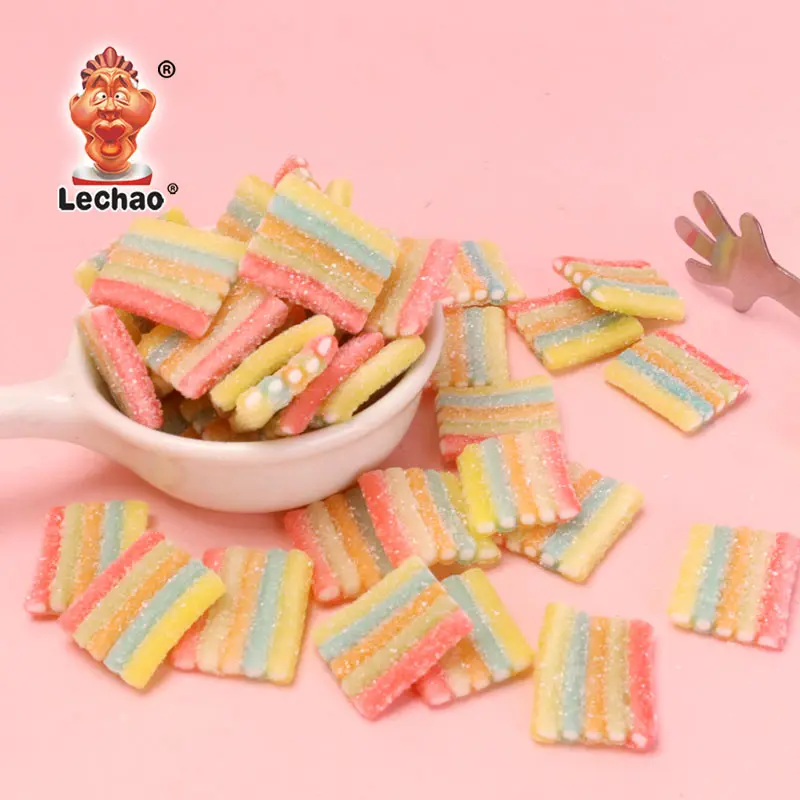
The main differences can be summarized as follows:
| Factor | Traditional Licorice | Regaliz relleno |
|---|---|---|
| Product structure | Single-texture | Outer layer + filling |
| Sabor | Classic licorice profile | Licorice + additional flavor |
| Textura | Consistent | Multi-layered |
| Consumer experience | Familiar | More novel |
| Posicionamiento del producto | Mainstream/traditional | Differentiated/premium |
| Diferenciación de productos | Moderado | Más alto |
| Best suited for | Established demand | Innovation-focused products |
The most important difference is the consumer experience.
Traditional licorice focuses on delivering a familiar product consistently. Filled licorice introduces another element that can make the product more distinctive.
From a procurement perspective, this means buyers should consider whether their product portfolio needs another traditional SKU or a product that creates additional differentiation.
Which Has Better Consumer Appeal?
Traditional Licorice for Familiarity
Traditional licorice has an advantage when consumers already understand and prefer the category.
Its familiar characteristics include:
- Recognizable licorice flavor
- Predictable texture
- Straightforward product concept
- Established consumer expectations
This makes traditional licorice particularly suitable for markets where licorice already has a strong consumer base.
For retailers and distributors, the product can function as a reliable core SKU rather than a novelty product.
The commercial value of traditional licorice therefore comes largely from recognition and consistency.
Filled Licorice for Novelty
Filled licorice takes a different approach by providing a more varied flavor and texture experience.
Its potential advantages include:
- Multiple flavor experiences
- More interesting texture
- Stronger product differentiation
- Greater opportunity for new product concepts
This can be useful for brands that want to refresh their candy portfolio or introduce something different from conventional licorice.
For private label brands in particular, differentiated products can help create a clearer identity instead of competing only with standard products already available in the market.
Therefore, filled licorice can be more attractive when the purchasing strategy focuses on novelty and differentiation.
Which Licorice Is Better for Wholesale Buyers?
There is no universal answer. The better choice depends on the buyer’s business model and target market.
Choose Traditional Licorice When
Traditional licorice is generally the more practical choice when you:
- Serve an established licorice market
- Want familiar products
- Prioritize straightforward product sourcing
- Need a stable core SKU
- Target consumers who already prefer classic licorice
For example, a distributor supplying retailers with an established demand for licorice may not need to take unnecessary product-development risks. A familiar product can provide a more straightforward addition to the existing assortment.
For these buyers, bulk licorice candy can be an effective option for maintaining regular inventory and serving established customers.
Choosing a reliable wholesale licorice supplier is then more important than pursuing novelty for its own sake.
Choose Filled Licorice When
Filled licorice is more suitable when you:
- Want to differentiate your product portfolio
- Target consumers interested in new flavors
- Develop a premium candy range
- Build a private label brand
- Want to introduce a distinctive licorice product
For example, a brand owner launching a new confectionery line may prefer a product with a more distinctive eating experience. Filled licorice can provide another way to differentiate the range from conventional licorice products.
It can also work well for private label licorice candy, where product differentiation is often important for creating a recognizable brand proposition.
The objective is not simply to make the product more complicated. The objective is to give consumers a clear reason to choose it.
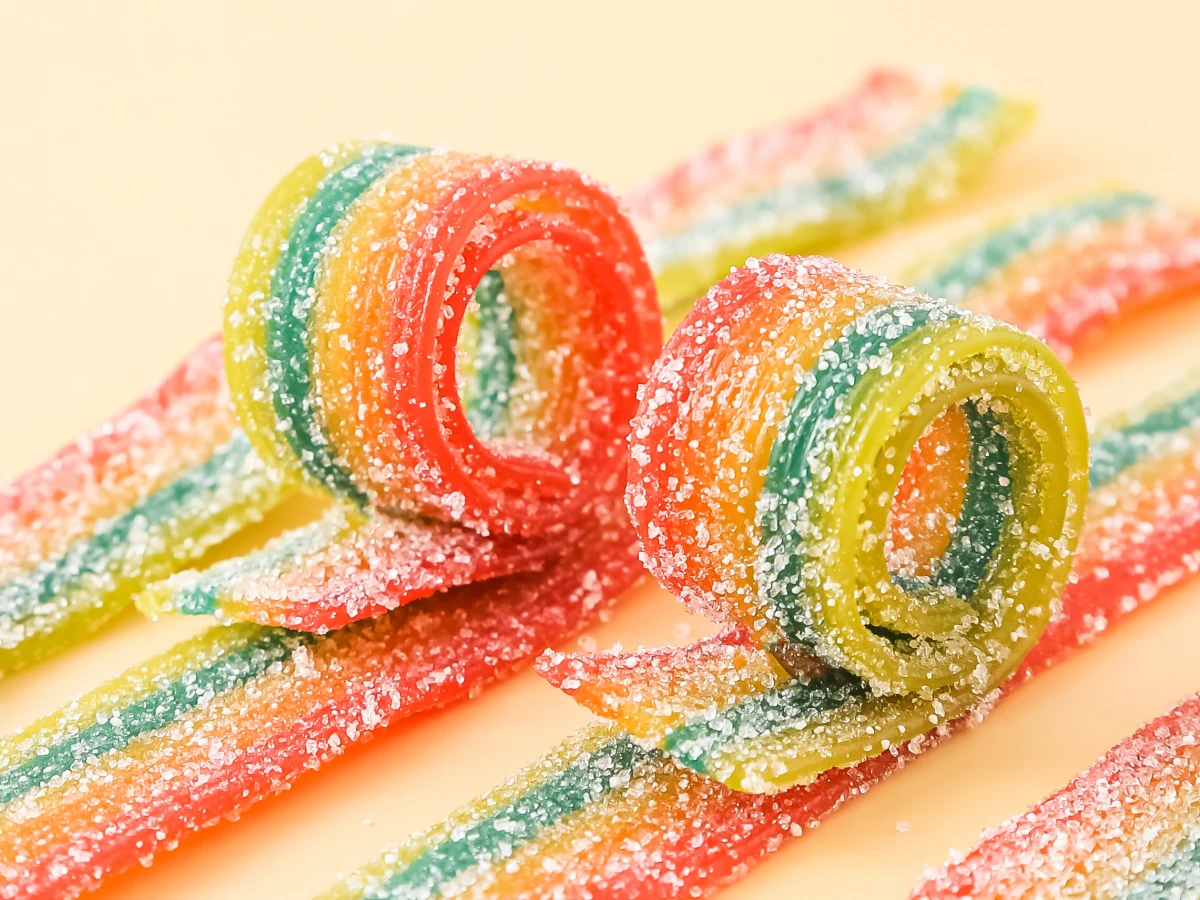
LeChao Candy for Wholesale and Private Label Licorice
Selecting the right product format is only one part of the sourcing process. Buyers also need a manufacturer that can maintain product consistency and support the requirements of wholesale or private label projects.
Experienced Licorice Candy Manufacturing
LeChao Candy provides candy manufacturing solutions for international buyers, including licorice products for wholesale and private label applications.
Como profesional con experiencia fabricante de caramelos de regaliz, LeChao supports buyers through professional production and quality control processes.
For wholesalers and distributors, consistent manufacturing is important because product quality needs to remain stable across repeated orders. For brand owners, the manufacturer also needs to understand the requirements of developing products for a specific market.
This makes manufacturer capability an important consideration alongside the initial product selection.
Customization for Different Candy Brands
Different brands may have different requirements for their candy products. Some buyers may need an established product, while others may want to develop a differentiated product for their own brand.
LeChao supports OEM/ODM and private label cooperation, allowing buyers to discuss requirements such as product specifications, flavor direction, packaging, and branding.
For companies developing differentiated products, working with a fabricante de caramelos de regaliz personalizados can provide greater flexibility than simply purchasing a standard product from a trading supplier.
The right manufacturing relationship should therefore support both the current order and the buyer’s longer-term product strategy.
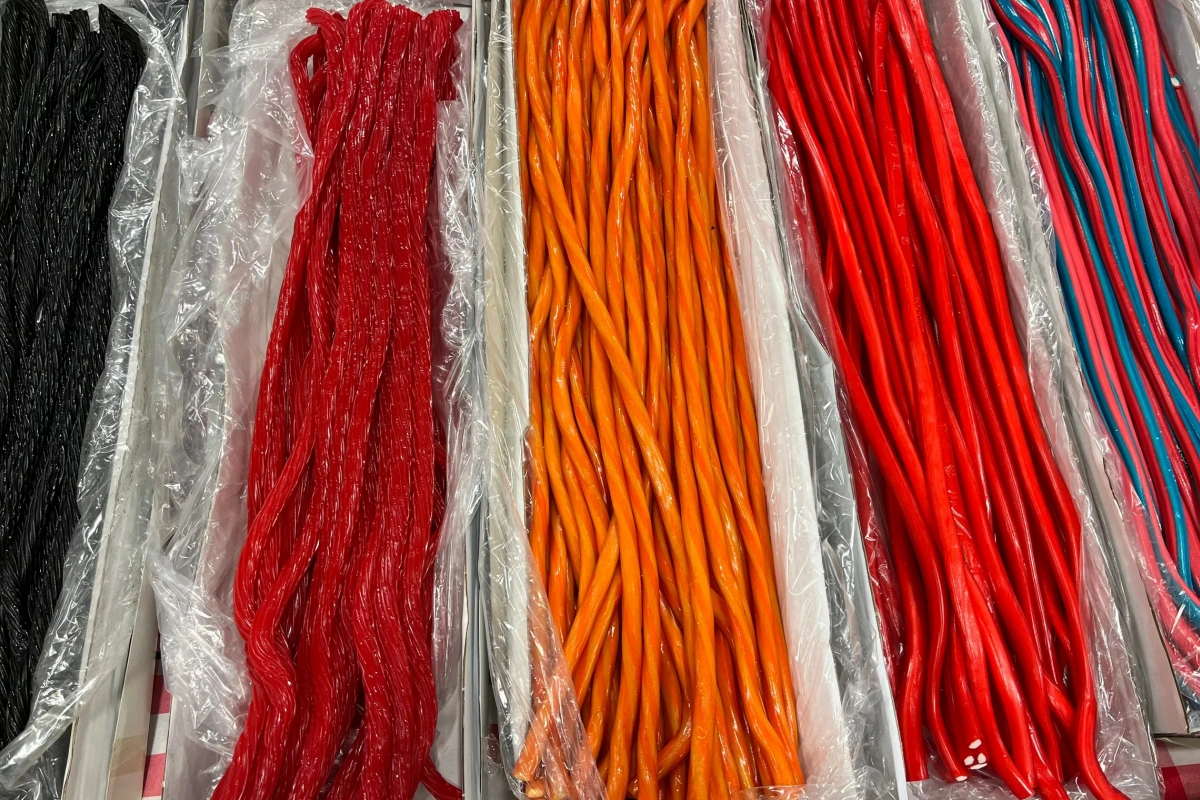
Conclusion: Which Licorice Should You Choose?
The choice between filled licorice and traditional licorice ultimately depends on what you are trying to achieve.
Choose traditional licorice if you need:
- Familiarity
- Established consumer demand
- A straightforward core SKU
- Traditional market positioning
Choose filled licorice if you need:
- Diferenciación de productos
- New flavor experiences
- A more distinctive product concept
- Premium or private label positioning
Traditional licorice is not outdated, and filled licorice is not automatically better. They serve different commercial purposes.
For wholesalers and distributors with established demand, traditional licorice can provide a dependable product option. For brands seeking differentiation, filled licorice can create a more distinctive product proposition.
The key is to select the format based on your target consumers and product strategy, then work with a capable licorice candy supplier that can deliver consistent quality and support your required production model.