FR
FR  EN
EN  ZH
ZH  DE
DE  RU
RU  ES
ES  JA
JA  KO
KO  AR
AR 
Gummy candy food safety refers to the control of biological, chemical, and physical hazards throughout the production, storage, and distribution of gummy products. It ensures that candies remain safe for consumption and compliant with global food regulations.
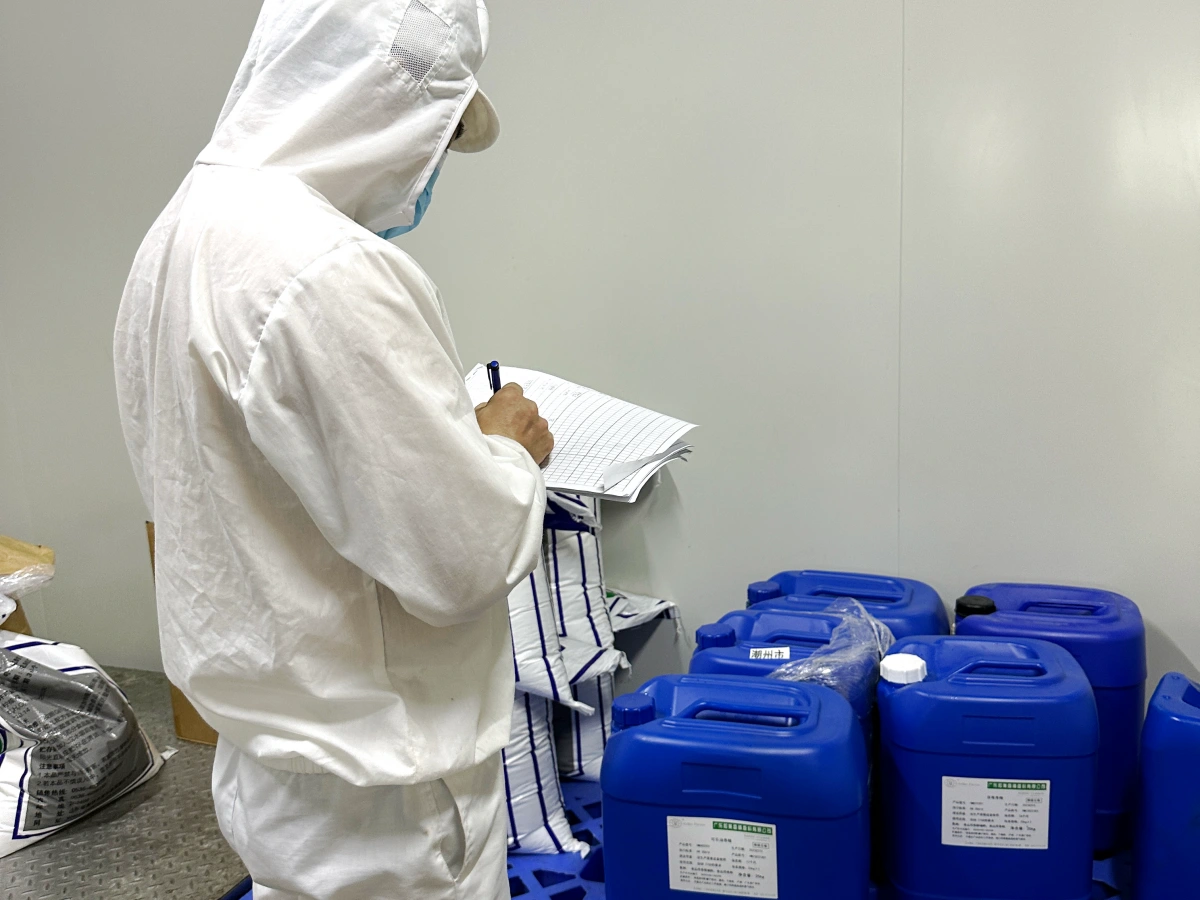
In modern confectionery manufacturing, food safety is not only a regulatory requirement but also a critical factor in supply chain reliability for B2B buyers.
Common Food Safety Risks in Gummy Candy Manufacturing
Understanding risks is the first step in controlling them.
Typical hazards in gummy candy production include:
- Microbial contamination: Caused by improper temperature or humidity control
- Gelatin or pectin instability: Can affect product safety and shelf life
- Cross-contamination: Especially with allergens during multi-product runs
- Foreign body contamination: Such as metal or packaging fragments
Without proper control systems, these risks can lead to product recalls, regulatory violations, and brand damage.
Key Food Safety Controls in Gummy Candy Production
1. Raw Material Traceability
Food safety begins with ingredient control.
- Each raw material batch is assigned a traceable identifier
- Suppliers are required to meet internationally recognized food safety standards
- Full forward and backward traceability enables rapid recall if needed
Ingredients such as gelatin (typically 200–300 bloom strength) and pectin must meet strict microbiological and purity requirements.
2. Controlled Production Environment
A stable environment is essential to prevent contamination.
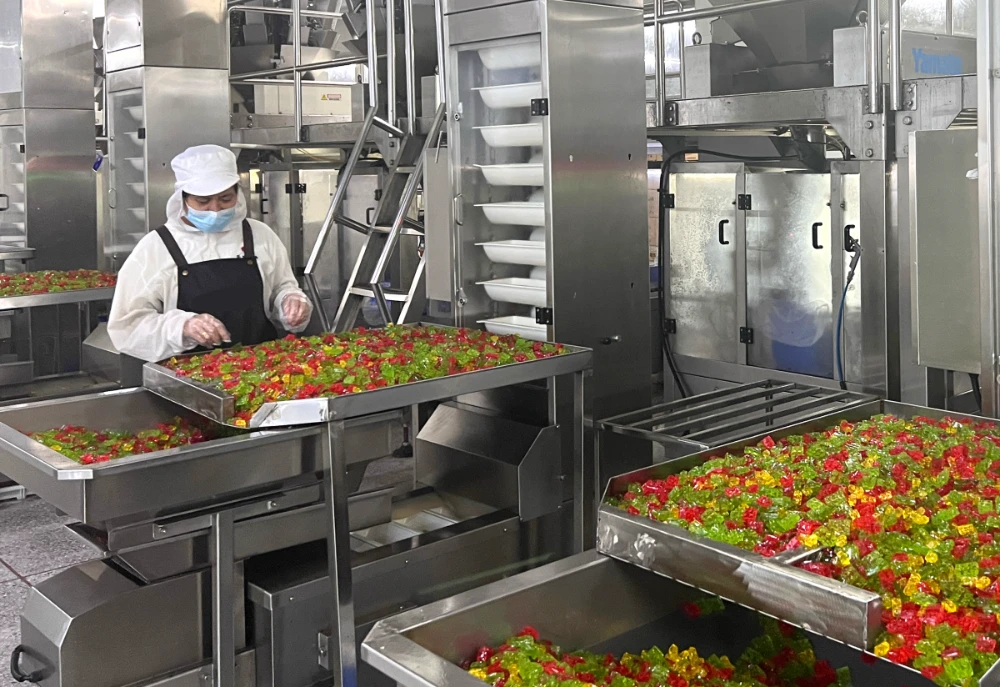
- Temperature & humidity control reduces microbial growth risk
- Food-grade stainless steel equipment minimizes contamination
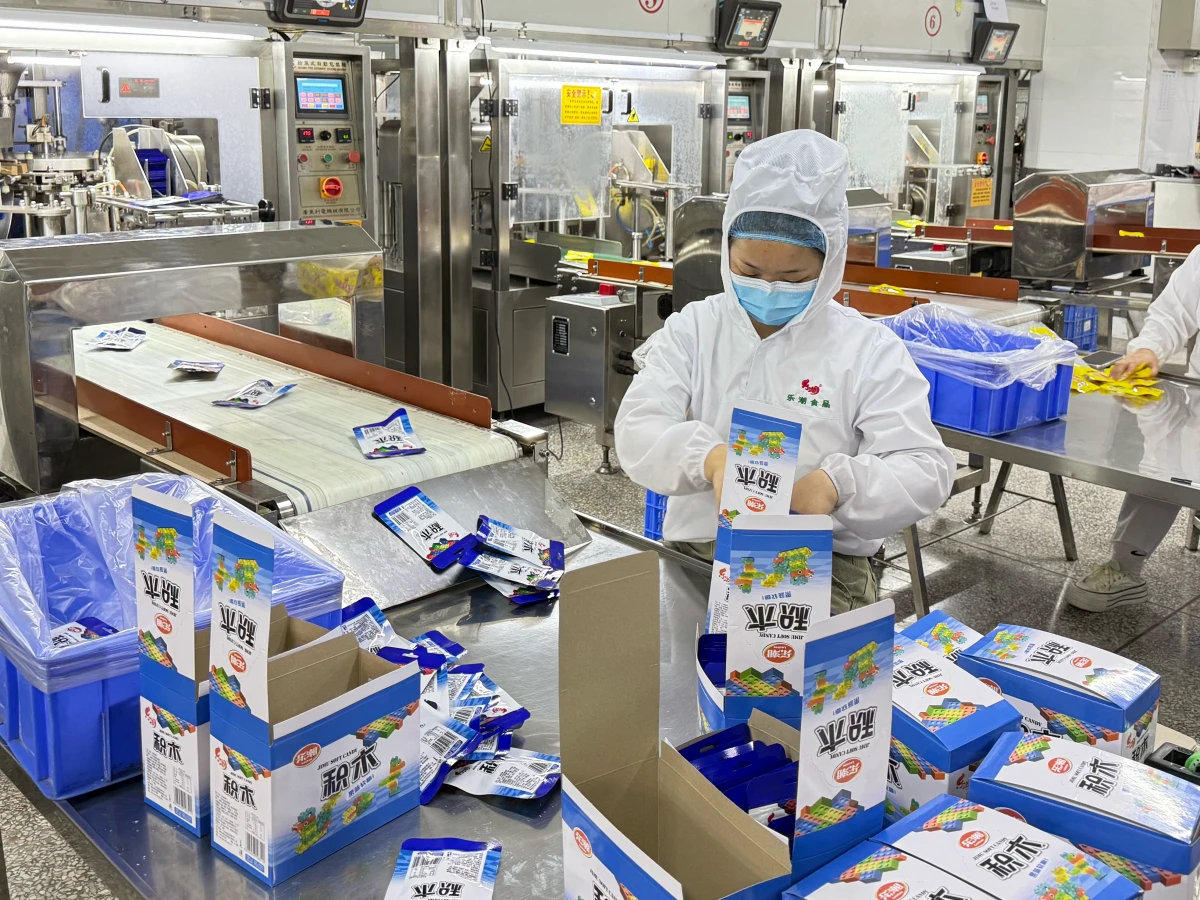
- CIP (Clean-In-Place) systems ensure consistent sanitation
For example, gummy products are typically processed under controlled conditions to maintain structural stability and hygiene.
3. Multi-Stage Quality Control (QC)
Food safety is ensured through continuous monitoring:
- Inline process control: Monitoring pH (typically 3.0–3.5) and Brix levels
- Metal detection and X-ray inspection: Prevent physical contamination
- Microbiological testing: Conducted on finished products
These steps align with global food safety frameworks such as HACCP (Hazard Analysis and Critical Control Points).
4. Compliance with International Standards
Gummy manufacturers must comply with regulatory systems depending on target markets:
- HACCP: Hazard identification and control
- ISO 22000: Food safety management systems
- FDA / EFSA guidelines: Regional compliance requirements
Proper documentation (e.g., COA – Certificate of Analysis) is essential for import/export and regulatory approval.
Industry-Specific Product Considerations
Certain gummy types require additional safety controls:
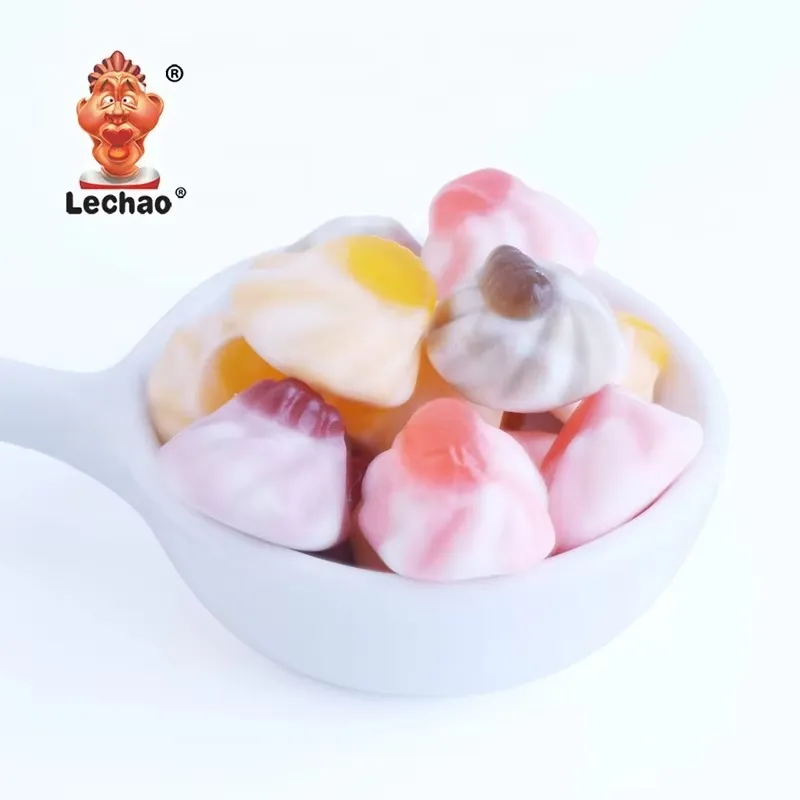
- Center-filled gummies: Require sealing integrity to prevent leakage and contamination
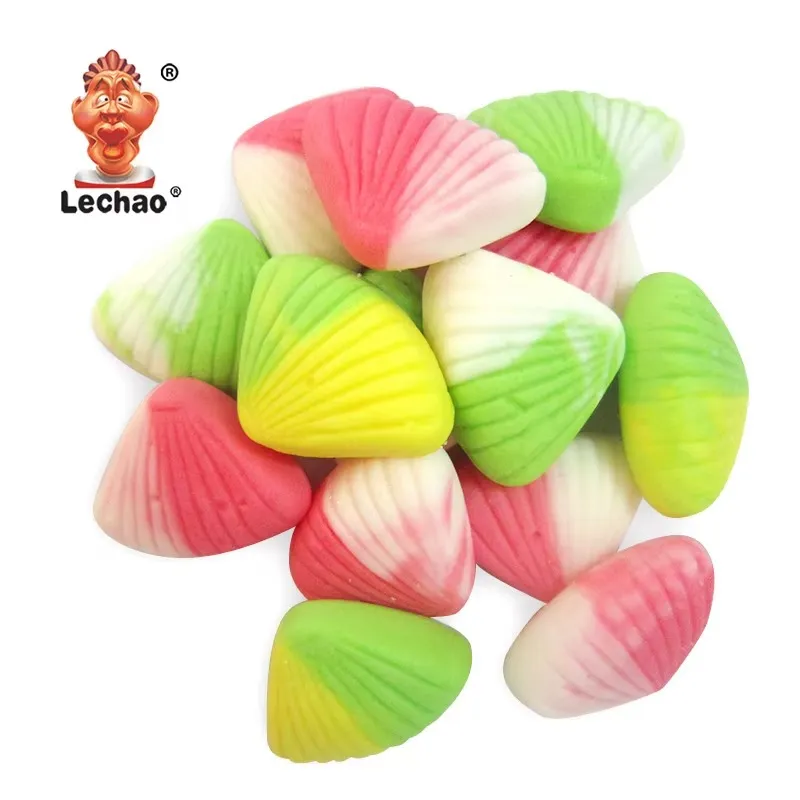
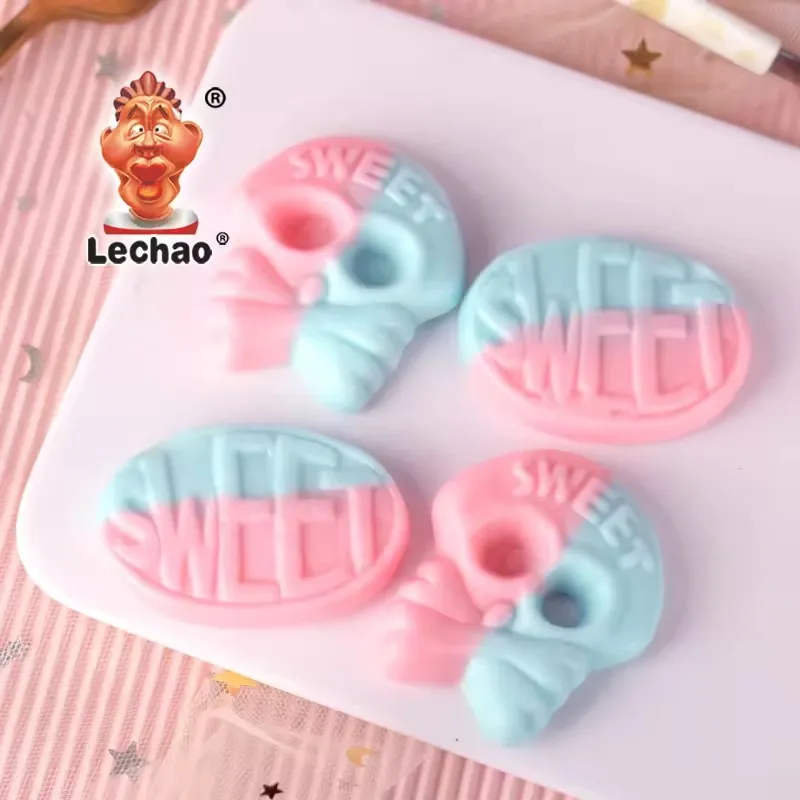
- Layered or peelable gummies: Multi-phase processing increases contamination risk if not controlled
- Low-sugar or functional gummies: May require additional stability validation
These product variations increase complexity in food safety management.
FAQs About Gummy Candy Food Safety
What are the main food safety risks in gummy candy?
The most common risks include microbial contamination, improper ingredient handling, allergen cross-contact, and physical contamination.
How do manufacturers ensure gummy candy safety?
Through a combination of raw material traceability, controlled environments, multi-stage QC systems, and compliance with standards like HACCP and ISO 22000.
What pH level is safe for gummy candies?
Most gummy candies maintain a pH between 3.0 and 3.5, which helps inhibit microbial growth.
From Food Safety Standards to Reliable Supply
In practice, implementing these food safety principles requires not only systems, but also manufacturing experience and operational discipline.
Manufacturers with long-term production backgrounds typically integrate:
- Digitized traceability systems
- Standardized QC checkpoints
- Document-ready compliance processes for global markets
For B2B buyers, this translates into lower risk, faster approvals, and more stable supply chains.
Work with a Food Safety-Focused Gummy Manufacturer
LeChao Candy applies the above food safety principles across its production system, with over 30 years of manufacturing experience in gummy candies and related confectionery products.
Capabilities include:
- Custom formulation (low-sugar, plant-based, functional gummies)
- Controlled production environments and standardized QC processes
- Support for global compliance and export documentation
If you are developing a gummy product or sourcing a reliable manufacturing partner, working with a supplier that prioritizes food safety can significantly reduce long-term operational risk.
Contact the team to request samples, technical specifications, or a production consultation.