FR
FR  EN
EN  ZH
ZH  DE
DE  RU
RU  ES
ES  JA
JA  KO
KO  AR
AR 
The broader sugar confectionery market continues to grow. According to Mordor Intelligence, the global sugar confectionery market is projected to reach USD 64.12 billion in 2026 and USD 86.66 billion by 2031. The report also notes that pastilles, gummies, and jellies led the sugar confectionery category by product type in 2025.
For businesses planning new gummy candy products, understanding these trends can help reduce sourcing risks and create products with stronger shelf appeal. Below are the top gummy candy trends shaping the market in 2026.
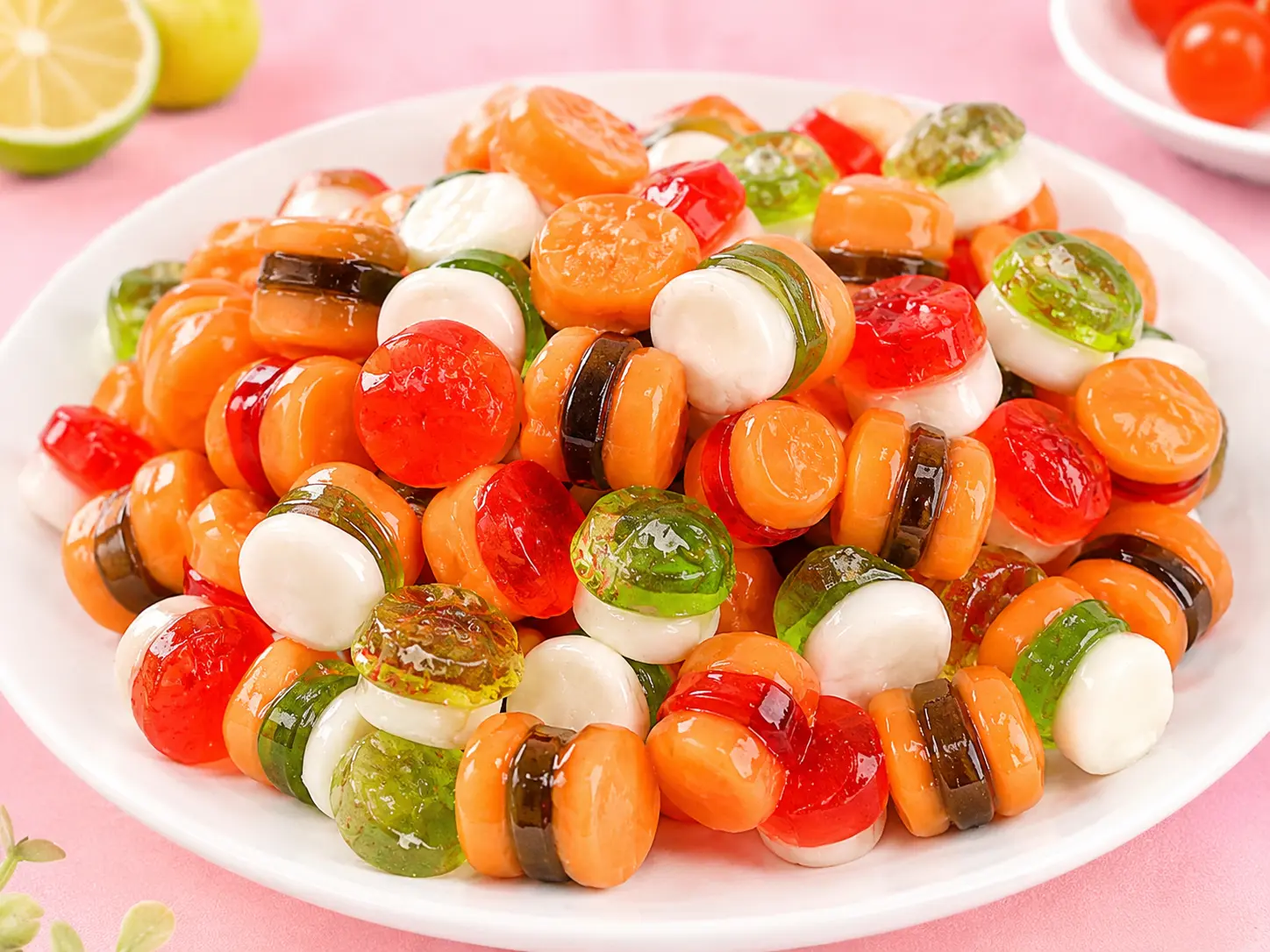
Better-for-You Gummies Are Becoming Mainstream
Consumers still want enjoyable candy, but many are also paying more attention to sugar content, ingredients, and portion control. This is driving demand for reduced-sugar gummies, sugar-free gummies, fruit juice gummies, clean-label gummies, and gummies made with natural colors and flavors.
For brands, this does not mean traditional gummies are disappearing. Instead, it means product lines can become more diversified. A brand may sell classic fruit gummies for mass-market buyers while also developing sugar-free or reduced-sugar gummies for health-conscious consumers.
For B2B buyers, this trend creates opportunities in supermarkets, convenience stores, online retail, and specialty snack channels. When working with a gummy candy manufacturer, buyers should discuss sweetness level, texture stability, flavor balance, and labeling requirements before production.
Bold Global Flavors Are Replacing Basic Fruit Only
Fruit flavors remain the foundation of gummy candy, but 2026 consumers are looking for more exciting combinations. Tropical fruit, sour fruit, soda-inspired flavors, dessert flavors, and sweet-spicy combinations are becoming more popular.
For gummy candy brands, this opens up many product ideas:
- Lychee mango gummies
- Yuzu lemon gummies
- Bonbons gélifiés en forme de bouteille de Coca-Cola
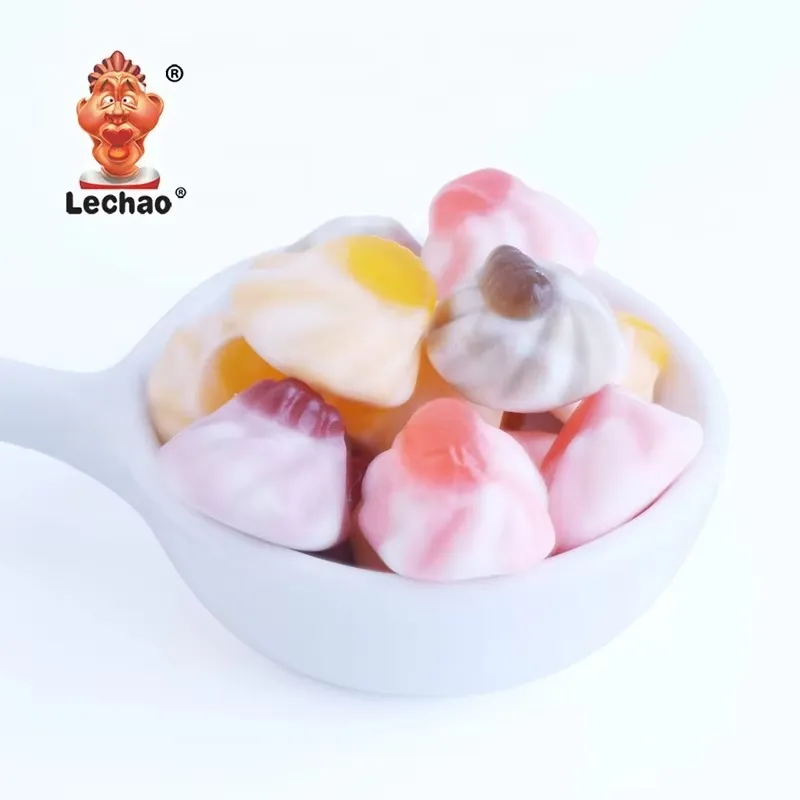
- Strawberry yogurt gummies
- Strawberry yogurt gummies
- Tropical sour gummies
- Mixed fruit juice gummies
Flavor is one of the easiest ways to localize a product. For example, Southeast Asian markets may prefer mango, lychee, pineapple, or coconut flavors, while European and North American buyers may be more interested in sour fruit, berry, cola, or tropical blends.
Multi-Texture Gummies Create a Stronger Eating Experience
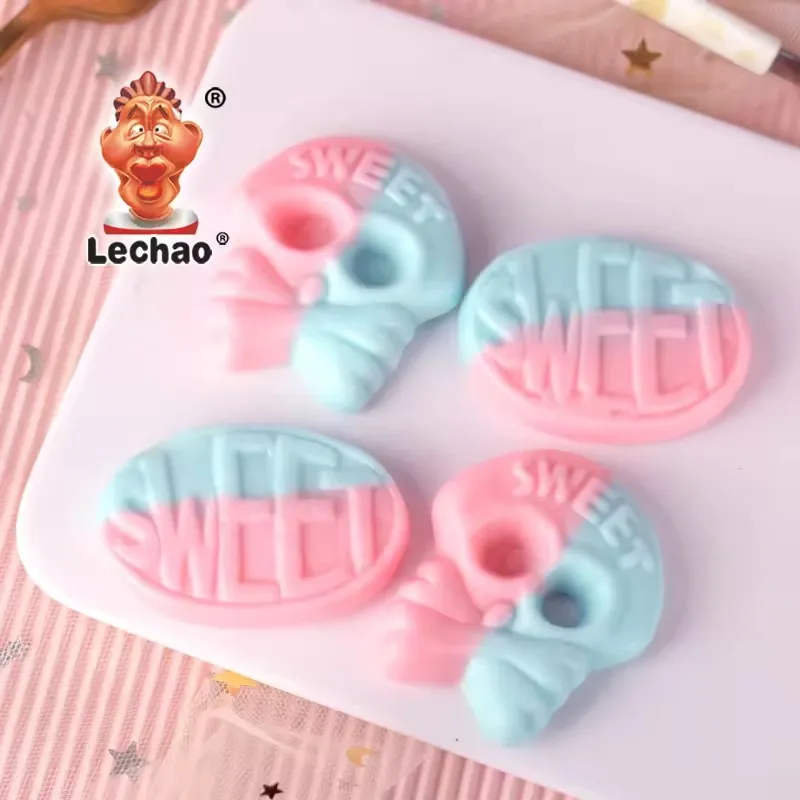
Texture is becoming just as important as flavor. Consumers are showing interest in layered gummies, filled gummies, dual-color gummies, sugar-coated gummies, soft-chewy gummies, and gummies with different bite experiences.
For gummy candy brands, texture innovation can turn a simple product into a premium or viral product. Examples include:
- Liquid-filled gummies
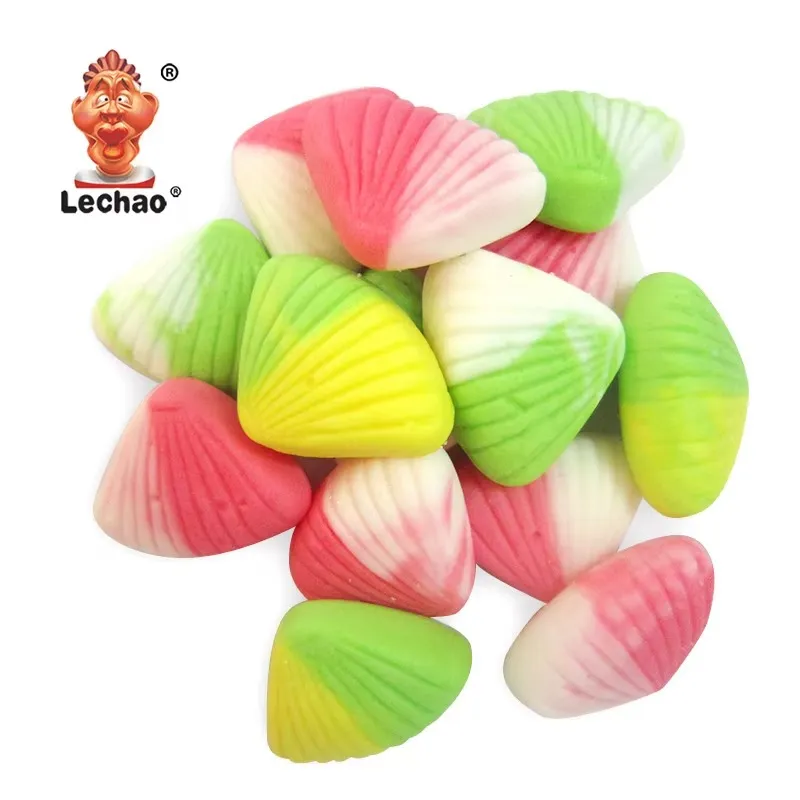
- Two-layer fruit gummies
- Foam-bottom gummies
- Bonbons gélifiés à décoller
- Extra-soft gummies
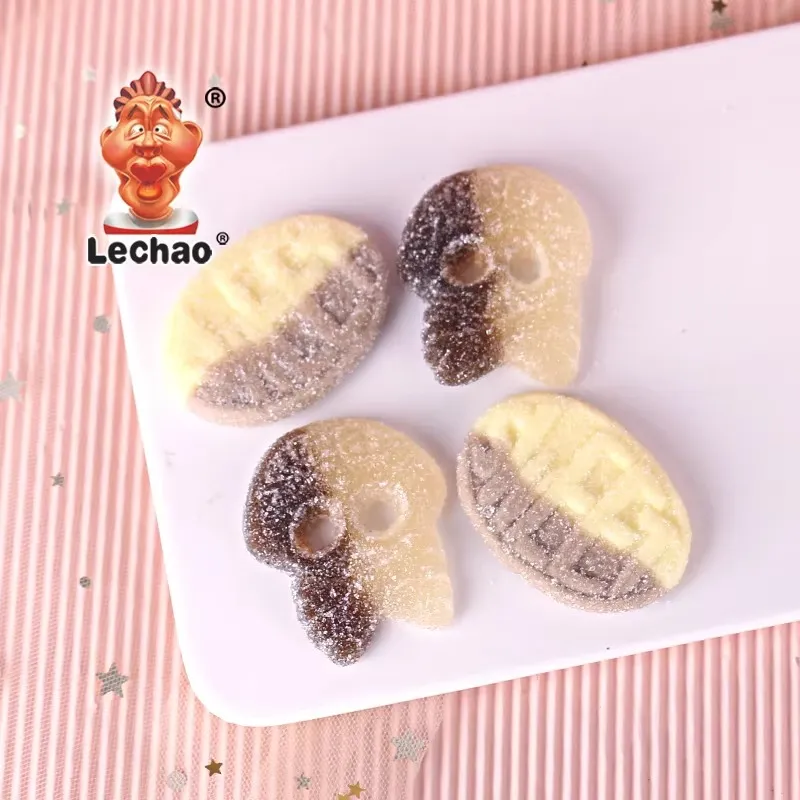
- Sugar-crystal coated gummies
For B2B buyers, texture development should be tested carefully. A gummy that looks attractive must also remain stable during storage, shipping, and retail display.
Sustainable and Convenient Packaging Matters More
Packaging is becoming a major competitive factor for gummy candy. Buyers are not only looking for colorful bags; they also want packaging that supports freshness, brand identity, convenience, and sustainability.
Popular packaging options include stand-up pouches, resealable zipper bags, small portion packs, sharing packs, jars, and seasonal gift boxes. For online sellers, packaging also needs to be strong enough for shipping and visually appealing for unboxing.
For private label gummy candy, packaging is often the first thing consumers notice. A strong package design can make a simple gummy product feel more premium, giftable, or suitable for a specific audience.
Seasonal and Limited-Edition Gummies Drive Repeat Purchases
Seasonal gummy candy remains a strong sales strategy. Valentine’s Day, Easter, Halloween, Christmas, New Year, Ramadan, and back-to-school seasons all create opportunities for special shapes, colors, flavors, and packaging.
Limited-edition gummies can also help brands test the market before launching a full product line. For example, a brand can introduce Halloween sour worms, Christmas tree gummies, heart-shaped Valentine gummies, or tropical summer gummies.
This trend is especially valuable for retailers and importers because seasonal products encourage faster purchasing decisions. For manufacturers, it requires flexible mold development, packaging design support, and production scheduling.
Social Media Is Influencing Gummy Candy Design
Gummy candy is naturally visual, colorful, and easy to share online. In 2026, many product ideas are influenced by TikTok, Instagram, short videos, unboxing content, and influencer taste tests.
This is why bright colors, surprising shapes, sour coatings, peelable textures, filled centers, and limited-edition flavors are becoming more valuable. A gummy candy product is no longer only competing on the retail shelf. It is also competing on phone screens.
For brands, this means product development should consider both taste and visual impact. A product that looks fun in a short video can attract more attention and help create organic marketing opportunities.
How Candy Brands Can Respond to These Trends
The gummy candy market in 2026 rewards brands that can move quickly, test new concepts, and work with the right manufacturing partner. Instead of relying only on basic fruit gummies, buyers can build more complete product lines around different consumer needs.
A strong gummy candy strategy may include:
- Classic fruit gummies for mass-market retail
- Sour gummies for younger consumers
- Vegan gummies for plant-based positioning
- Sugar-free gummies for health-conscious buyers
- Seasonal gummies for holiday sales
- Private label gummies for brand differentiation
- Custom packaging for stronger shelf appeal
For importers, wholesalers, and private label brands, the key is not to follow every trend at once. The better approach is to select trends that match your target market, price range, retail channel, and brand positioning.
Conclusion
In 2026, gummy candy is no longer viewed as just a simple sweet treat. The category is evolving into a more diversified and brand-driven market, shaped by changing consumer preferences and new product innovation. Unique flavors help brands stand out on crowded shelves, creative textures create a more memorable eating experience, functional positioning opens opportunities in health-conscious segments, and sustainable packaging supports stronger brand value.
For candy brands and B2B buyers, these trends create many opportunities. The right gummy candy manufacturer can help turn market insights into real products through formula development, shape customization, flavor matching, packaging support, and stable production.
LeChao supports global buyers with OEM and ODM gummy candy solutions, including custom shapes, flavors, colors, packaging, and private label development. Whether you are planning a new retail candy line, seasonal gummy collection, or customized bulk order, working with an experienced gummy candy factory can help you bring trend-driven products to market more efficiently.