JA
JA  EN
EN  ZH
ZH  FR
FR  DE
DE  RU
RU  ES
ES  KO
KO  AR
AR 
Choosing candy for a supermarket is not simply a matter of finding popular products. A supermarket shelf has limited space, and different candies attract consumers for different reasons. Some rely on familiarity, while others depend on novelty, strong flavors, visual appeal, or impulse purchasing.
For supermarket owners and category buyers, the better question is therefore not only “What candy should I stock?” but also “Where should I place it?”
A standard gummy may perform well as a core shelf product, while a colorful 3D gummy may be better suited to an eye-level display or promotional area. Understanding this relationship between candy selection, consumer psychology, and shelf placement can help retailers make better use of limited shelf space.
What Makes a Best Candy for Supermarket Shelves?
Before deciding where to put a product, retailers need to understand why consumers may choose it.
Visual Appeal
Candy is a highly visual category. Consumers can often recognize a product from its colors, shapes, packaging, and product images before reading the product name.
This makes visually distinctive products useful for attracting attention in a crowded candy section.
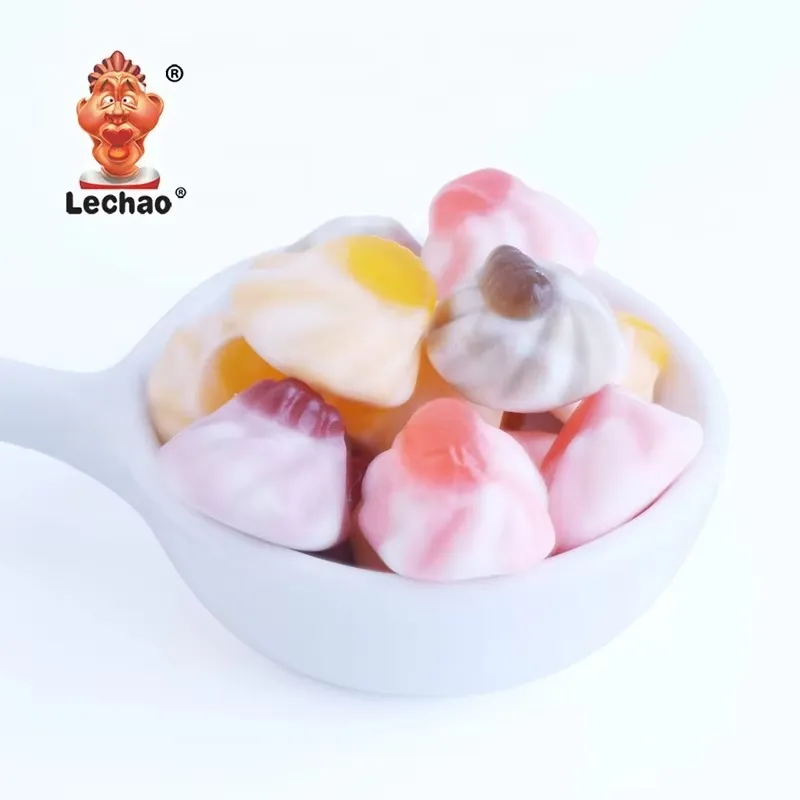
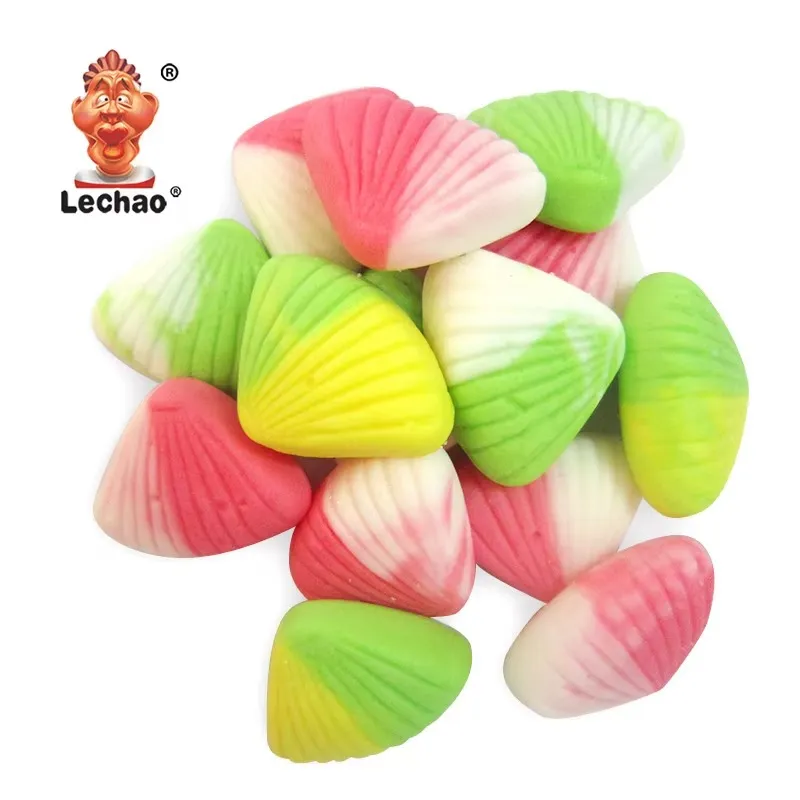
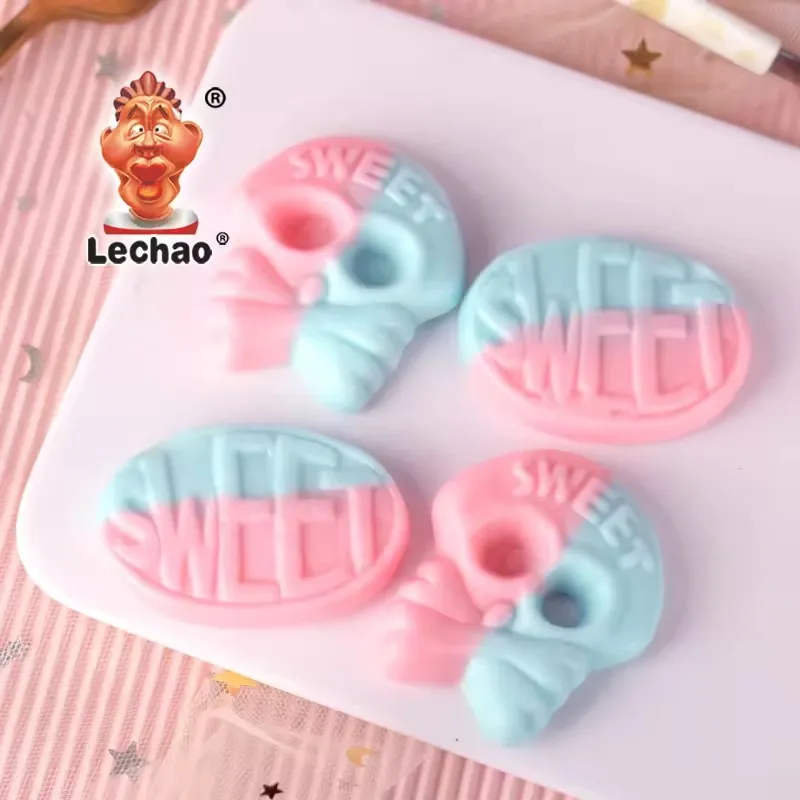
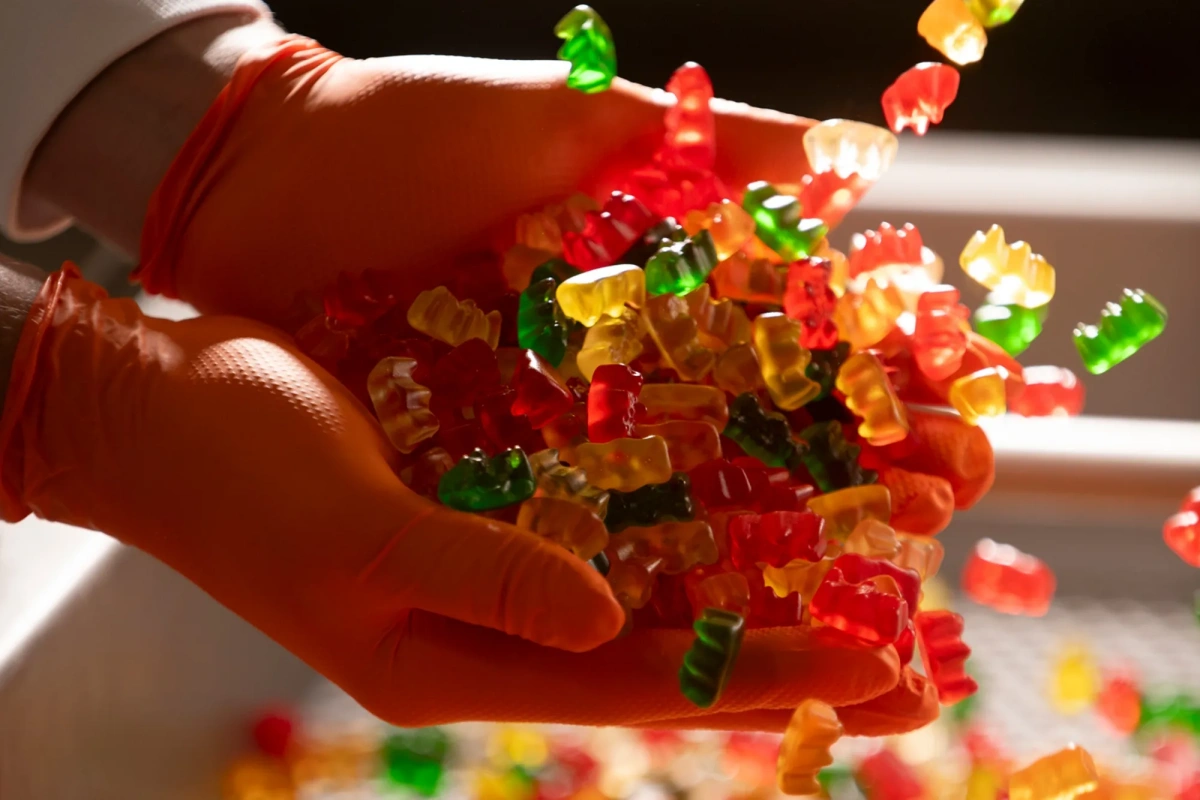
Gummy candy, for example, can use different colors, shapes, and flavors to create variety. 3D/4Dグミキャンディ can go further by using unusual shapes that encourage consumers to stop and look at the product.
Jelly beans also provide strong visual variety because their multiple colors can make a display look more dynamic.
Familiarity and Purchase Confidence
Consumers are generally more comfortable purchasing products they understand quickly.
A shopper who already knows what gummies, chocolate, or licorice are does not need much information before making a decision. This reduces what can be called purchase friction—the hesitation caused by uncertainty about the product.
For this reason, familiar categories such as gummy candy, chocolate candy, and licorice can serve as reliable core products on a supermarket shelf.
Novelty and Curiosity
Familiarity encourages confidence, but too much familiarity can make a shelf less interesting.
Novelty provides another psychological trigger. Unusual shapes, sour flavors, fillings, and different textures give shoppers a reason to explore a product they have not purchased before.
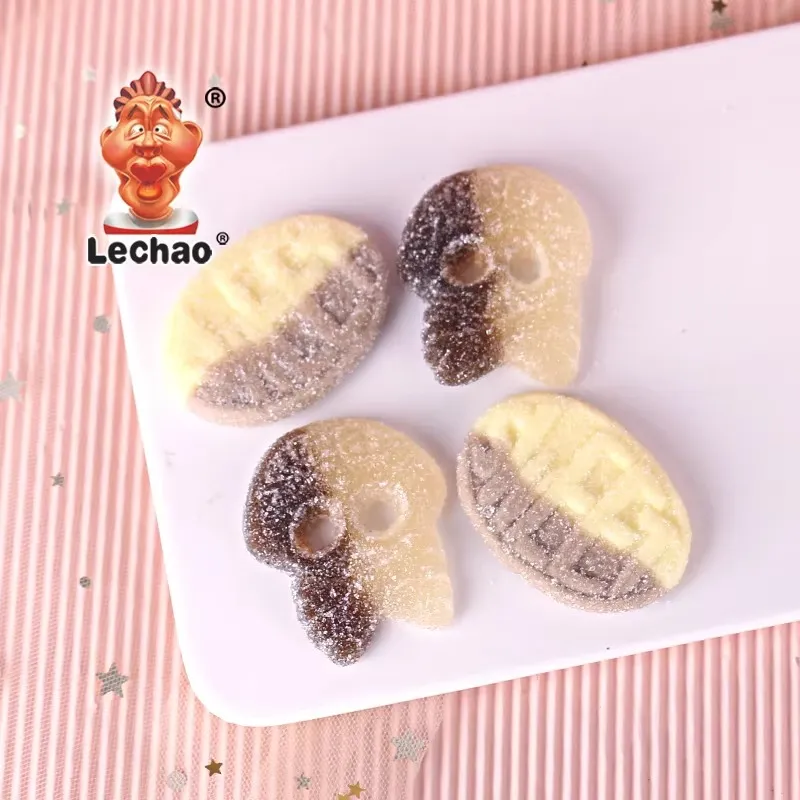
酸っぱいグミキャンディー, 3D/4Dグミキャンディそして filled gummy candy can therefore play an important role as products designed to stimulate curiosity rather than simply satisfy an existing preference.
Where Should You Put Candy on Supermarket Shelves?
Product selection is only half of the merchandising decision. Shelf position influences how easily consumers notice and access a product.
Eye-Level Shelves: Put High-Potential Products Here
Eye-level space is valuable because shoppers can see products in this area without deliberately looking up or down.
This position can be used for:
- Core gummy products
- Popular SKUs
- Higher-margin products
- Products with strong packaging appeal
A standard gummy product is often a good candidate because consumers already understand the category. Its job is not necessarily to surprise shoppers but to make the purchasing decision easy.
For a new product, eye-level placement can also help overcome the disadvantage of low familiarity. If shoppers do not yet know the brand or product, visibility becomes more important.
The key is not to put every product at eye level. If everything receives equal priority, the advantage of the position disappears.
Lower Shelves: Use for Larger Packs and Family Purchases
Lower shelves can work well for products that consumers are purchasing in larger quantities or for sharing.
Potential products include:
- Large gummy bags
- ジェリービーンズ
- Sharing packs
- Family-size candy
These products often involve a more deliberate purchasing decision. A shopper may already have a specific quantity or consumption occasion in mind, making maximum visual exposure less critical.
Lower shelf placement can also allow supermarkets to reserve their most valuable visibility zones for products with stronger impulse potential.
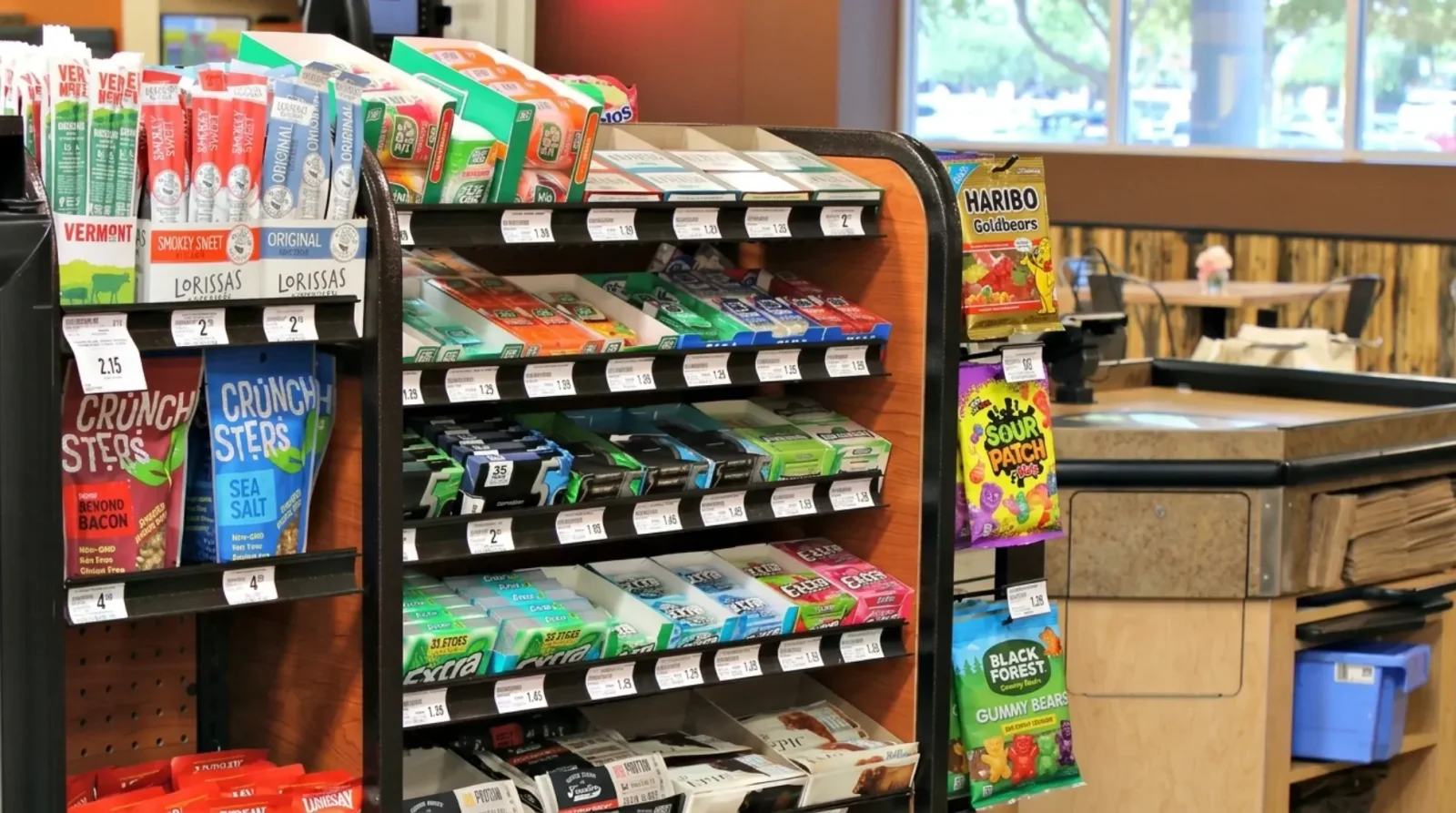
Checkout and High-Traffic Areas: Use Impulse Candy
Checkout areas are particularly relevant to impulse purchasing.
The consumer is already in a purchasing environment and may have little time or intention to evaluate the product. Candy with an accessible price, attractive appearance, and immediately understandable proposition can benefit from this environment.
Good candidates include:
- 酸っぱいグミ
- Small candy packs
- Novelty gummies
- Colorful candy
Sour gummies can be particularly suitable because the flavor itself creates a strong sensory proposition. A shopper may see the product and think about the taste before consciously planning the purchase.
The principle is simple: the less consideration a product requires, the more suitable it can be for an impulse-oriented location.
Endcaps and Promotional Displays: Use Novelty Products
Endcaps and promotional displays provide opportunities to introduce products that need additional attention.
Good candidates include:
- 3D/4Dグミキャンディ
- New products
- Seasonal candy
- Limited-edition flavors
- Promotional SKUs
Novelty products benefit from visibility because curiosity is difficult to trigger if consumers never notice the product.
A 3D gummy with an unusual shape may have limited impact when buried among dozens of standard candy packages. Put it in a more prominent location, however, and the unusual shape can become the reason a shopper stops.
Which Candy Should You Put Together?
Shelf placement is not only about putting products at different heights. Product adjacency also affects how shoppers navigate the category.
Put Core and Novelty Gummies Together
A supermarket could create a progression such as:
Standard Gummies → Sour Gummies → 3D/4D Gummies → Filled Gummies
This structure moves consumers from familiar products toward products with stronger novelty.
Standard gummies provide category recognition. Sour gummies add flavor stimulation. 3D/4D gummies introduce visual novelty, while filled gummies provide a different texture and flavor experience.
This gives shoppers multiple reasons to explore the same product category.
Separate Different Consumption Occasions
Another approach is to organize products around how consumers intend to consume them.
例えば、こうだ:
- Individual treats
- Family sharing
- Impulse purchases
- Gifting
- Novelty or entertainment
A shopper looking for a small personal treat does not necessarily have the same requirements as someone buying candy for a family gathering.
Organizing products according to consumption occasions can make the shelf easier to understand and reduce decision friction.
Recommended Candy Shelf Strategy by Product Type
| Candy Type | Main Consumer Trigger | Recommended Position |
|---|---|---|
| グミキャンディ | Familiarity + variety | Eye level/core shelf |
| Sour Gummy | Sensory stimulation | Eye level/impulse area |
| 3D/4Dグミ | Novelty + curiosity | Endcap/eye level |
| 充填グミ | Surprise + texture | Eye level/novelty section |
| ジェリービーンズ | Variety + familiarity | Core shelf / lower shelf |
| チョコレート菓子 | Familiarity + indulgence | Core shelf / promotional area |
| 甘草キャンディー | Familiarity + specific taste preference | Dedicated candy section |
These recommendations should not be treated as fixed rules. Actual placement should also reflect store traffic, sales data, package size, margins, promotional activity, and the behavior of the supermarket’s specific shoppers.
How Consumer Psychology Should Influence Your Shelf Layout
Use Familiar Products to Reduce Purchase Friction
Consumers often make quick decisions in supermarkets. Familiar candy categories require less explanation because shoppers already understand the basic product.
This makes products such as gummies, chocolate, and licorice useful anchors for the category.
They provide a stable foundation around which retailers can introduce more experimental products.
Use Novel Products to Create Curiosity
Novelty gives consumers a reason to stop.
A product with an unusual shape, sour flavor, filling, or texture can create a simple psychological question:
“What is this like?”
That question can be enough to trigger product exploration, particularly when the product is positioned in a highly visible area.
Use Visual Contrast to Capture Attention
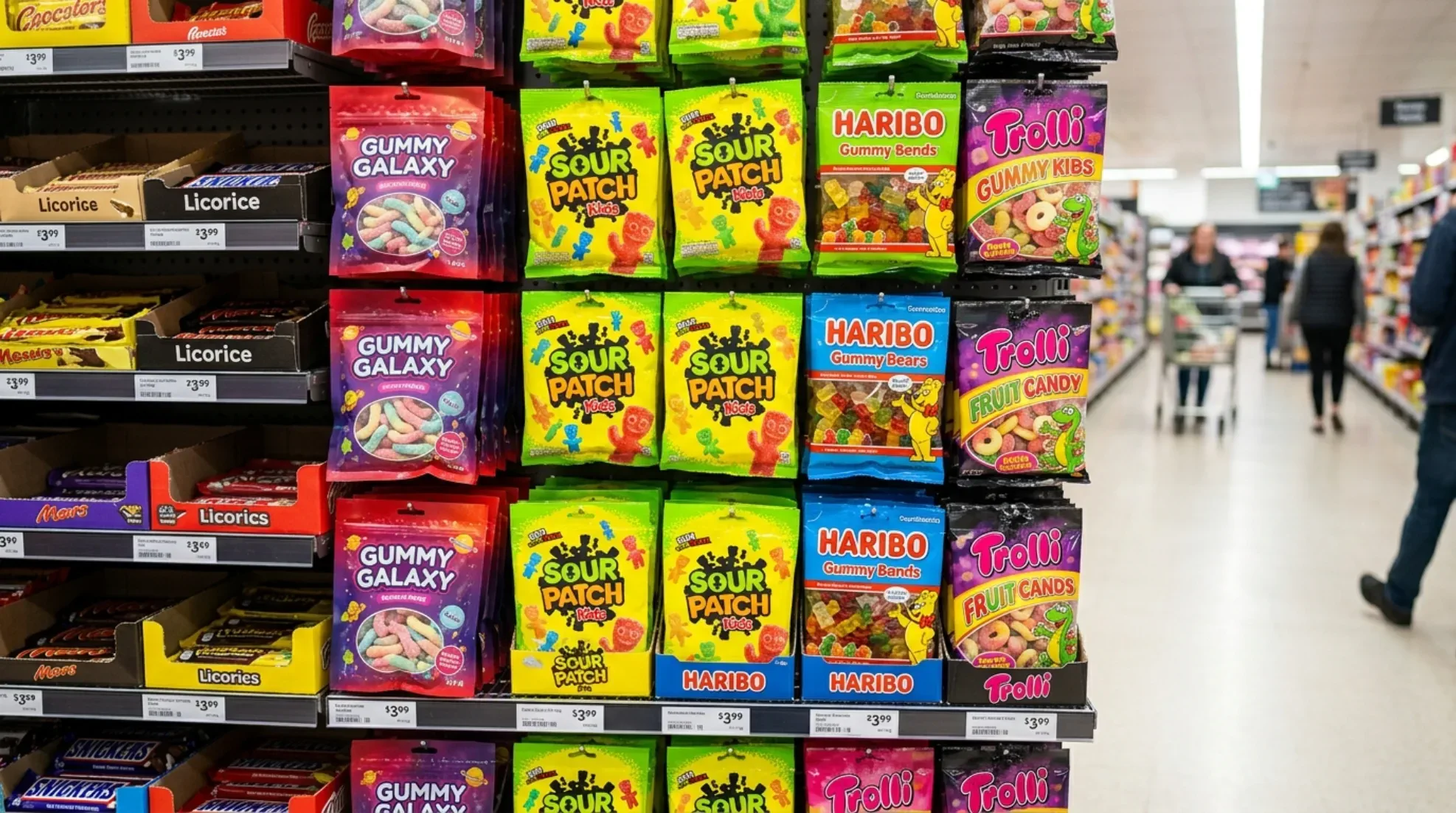
A candy shelf should not look like hundreds of identical packages.
Retailers can create visual contrast through:
- Different package colors
- Different candy shapes
- Different package sizes
- Different product formats
However, contrast should not become visual clutter. Products still need clear category organization so shoppers can understand the shelf quickly.
Place Easy-Decision Products in High-Traffic Areas
Products that require little consideration are natural candidates for high-traffic and impulse-oriented locations.
Small packs, familiar flavors, accessible price points, and visually attractive packaging can all reduce the amount of thought required before purchase.
This is why shelf strategy should consider how consumers make decisions, not simply which products have the highest overall sales.
How to Build a Balanced Supermarket Candy Shelf
A strong assortment should not consist entirely of best-selling traditional products or entirely of novelty candy.
Instead, divide the assortment into several roles.
Core Products
These are familiar products that consumers already understand and may purchase repeatedly.
Examples include standard gummies, chocolate, and licorice.
Attention Products
These products are designed to make shoppers notice the category.
3D/4D gummies, colorful gummies, and visually distinctive jelly beans can serve this function.
Trial Products
These products give shoppers a reason to experiment.
Sour gummies and filled gummies can provide stronger sensory or textural differences from conventional candy.
Impulse Products
Small, accessible candy packs can work well in checkout and high-traffic areas where purchasing decisions happen quickly.
Premium or Differentiated Products
These products can add variety and increase the perceived value of the overall candy assortment.
The exact balance should depend on the store format, shopper profile, available shelf space, and actual sales performance.
How LeChao Candy Can Support Your Supermarket Assortment
For supermarket buyers, having access to multiple candy categories makes it easier to build an assortment around different consumer motivations.
LeChao Candy provides products including gummy candy, sour gummy candy, 3D/4D gummy candy, filled gummy candy, jelly beans, licorice candy, marshmallows, and chocolate candy.
This range allows buyers to select products according to their intended shelf role rather than treating every candy SKU as interchangeable.
For example, a supermarket could use standard gummies as core products, sour gummies and filled gummies to encourage trial, and 3D/4D gummies to create visual attention.

として candy manufacturer and wholesale candy supplier, LeChao Candy can also support bulk purchasing and customized candy projects for businesses developing their own product lines. For supermarkets interested in differentiated products, an experienced オーダーメイドキャンディメーカー can provide additional options for product and packaging development.
The objective should not be to stock as many products as possible. It should be to create an assortment in which every SKU has a clear commercial purpose.
Conclusion: The Best Supermarket Candy Is the Right Candy in the Right Place
The best candy for a supermarket is not necessarily the product with the highest general popularity. Its performance depends partly on where it is placed and what consumer behavior it is designed to trigger.
A practical strategy is to combine:
- Familiar products for purchase confidence
- Novel products for curiosity
- Visually distinctive products for attention
- Small packs for impulse purchasing
- Larger packs for sharing and planned purchases
Then match each product with an appropriate shelf position.
Standard gummies can anchor the core shelf. Sour and small-format candy can work in impulse areas. 3D/4D gummies can benefit from eye-level or endcap placement. Larger packs can move to lower shelves, while familiar chocolate and licorice can provide stable alternatives.
The central principle is straightforward:
Choose the candy according to why consumers buy it, then place it where that purchasing motivation is most likely to work.
For supermarket buyers, this approach turns candy selection from a simple purchasing decision into a more deliberate category and shelf merchandising strategy.