JA
 EN
 ZH
 FR
 DE
 RU
 ES
 KO
 AR

Candy is more than just flavor and appearance. Texture plays an equally important role in shaping the eating experience, influencing consumer preferences, and determining how a product performs in different retail markets.
From soft and chewy gummies to crunchy candy, filled sweets, and peelable gummies, different textures create distinct product experiences. For candy brands, wholesalers, importers, and retailers, understanding these differences can help build a more competitive product assortment.
経験豊富な 菓子メーカー, LeChao works with global buyers to develop diverse soft candy products, offering flexible customization in texture, flavor, shape, color, and packaging to meet different market requirements.
Why Candy Texture Matters in Product Selection
Candy texture is one of the key sensory characteristics that influences how consumers experience a product. Even when two candies share the same flavor, differences in softness, elasticity, chewiness, or crunchiness can create completely different eating experiences.
For example, a soft gummy offers a gentle and chewy bite, while a crunchy-coated gummy introduces an additional layer of texture. Filled gummies provide a contrast between the outer layer and the center, making each bite more interesting.
For B2B buyers, texture is not simply a product detail. It can influence:
- Consumer Appeal: Different textures attract consumers with different preferences and eating habits.
- Product Differentiation: Unique textures help brands distinguish their products from competing candy collections.
- Retail Positioning: Texture can help determine whether a candy is positioned as an everyday treat, novelty product, or specialty confectionery item.
- Product Assortment: Combining different textures creates more variety within a retail product range.
Therefore, selecting the right candy texture is an important part of product development and wholesale candy sourcing.
Common Candy Textures and Their Market Appeal
Different candy textures create different eating experiences and retail opportunities. Understanding the characteristics of each type helps buyers select products that match their target markets.
Soft and Chewy Texture
Soft and chewy candy is one of the most versatile categories in the confectionery market. Its flexible texture and satisfying bite make it suitable for a wide range of consumer preferences.
Common Product Examples:
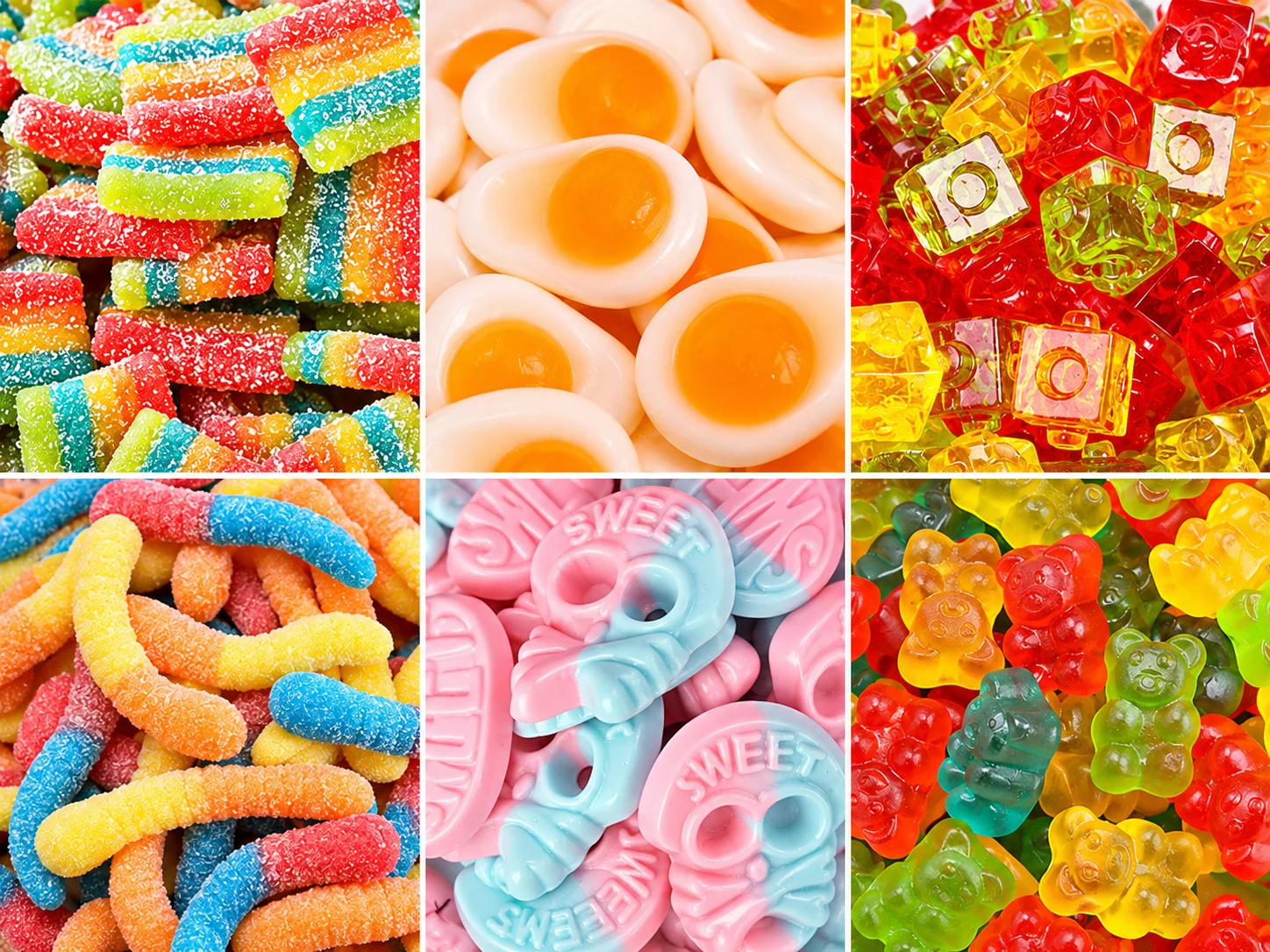
- グミキャンディ
- Soft Chewy Candy
- ジェリービーンズ
- 甘草キャンディー
Texture Characteristics:
Soft and chewy candies offer varying levels of elasticity, firmness, and chewiness. Depending on the formula, they can range from tender and soft to more elastic and resistant when bitten.
Retail Positioning:
These products are suitable for supermarkets, convenience stores, candy shops, and assorted confectionery collections. Their familiar eating experience makes them a practical choice for everyday candy assortments.
For buyers looking for a reliable グミ・キャンディ・メーカー, product consistency, flavor variety, and different gummy formats are important considerations when developing a retail range.
Crunchy and Crispy Texture
Crunchy and crispy textures create a more noticeable bite and can add contrast to traditional soft candy products.
Common Product Examples:
- Nonpareil-Coated Gummies
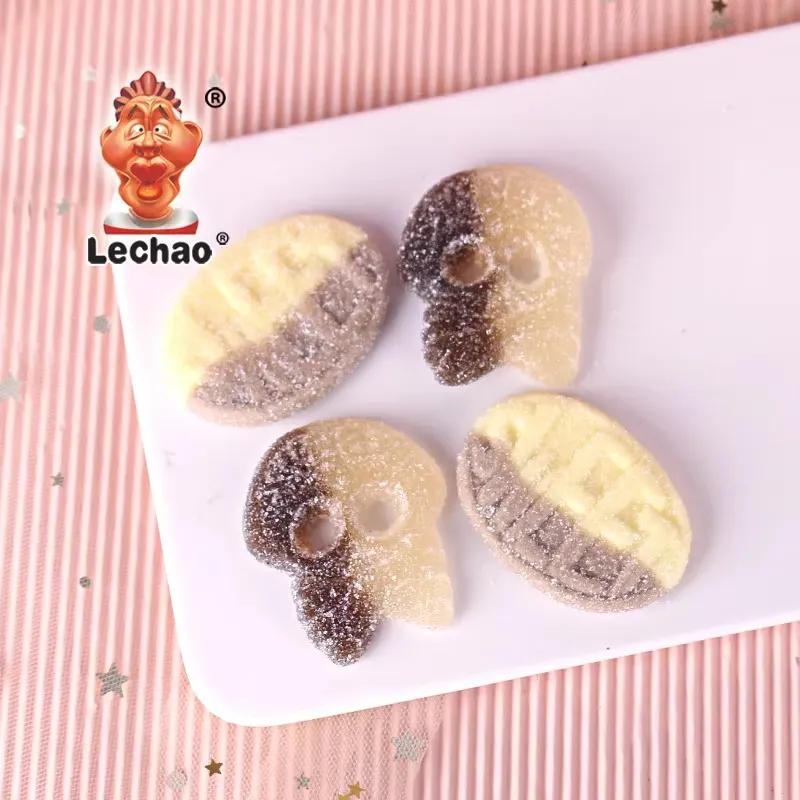
- Crunchy-Coated Gummies
- Candy with Crispy Inclusions
Texture Characteristics:
These candies combine a crisp outer layer or crunchy inclusions with a softer interior. The contrast between different textures creates a more layered eating experience.
Retail Positioning:
Crunchy candy products can appeal to consumers looking for something different from conventional gummies. They are suitable for novelty candy collections, specialty candy stores, and product lines focused on distinctive eating experiences.
For candy brands, combining crunchy coatings with different gummy bases offers opportunities to develop differentiated products without relying entirely on new flavors.
Filled and Layered Texture
Filled and layered candies create multiple sensations within a single product. Instead of offering one consistent texture, they combine different components to make the eating experience more varied.
Common Product Examples:
- 充填グミキャンディ
- Liquid-Center Candy
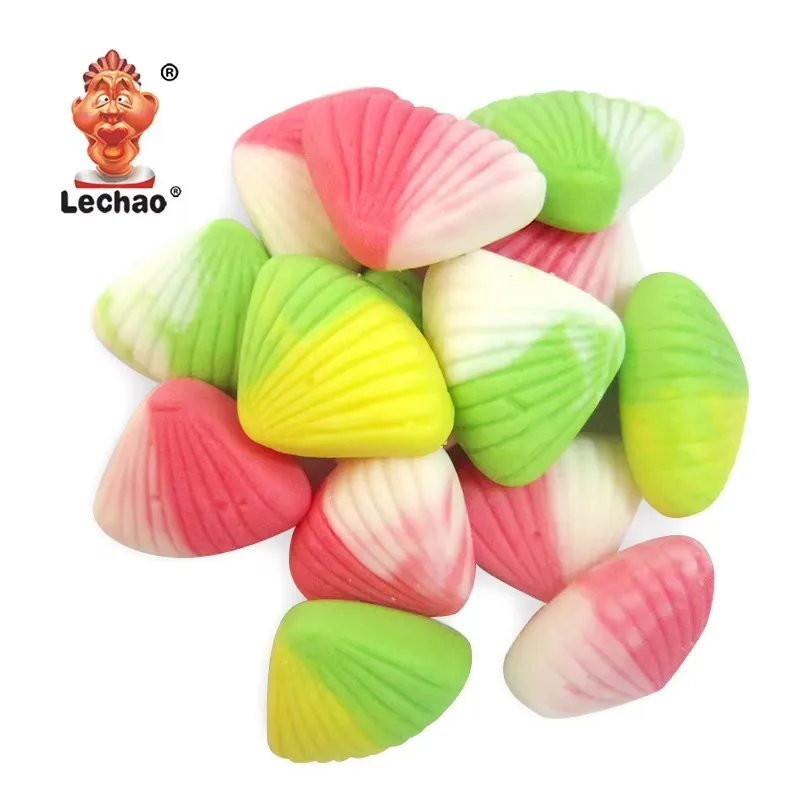
- Layered Gummy Candy
- Multi-Layer Confectionery
Texture Characteristics:
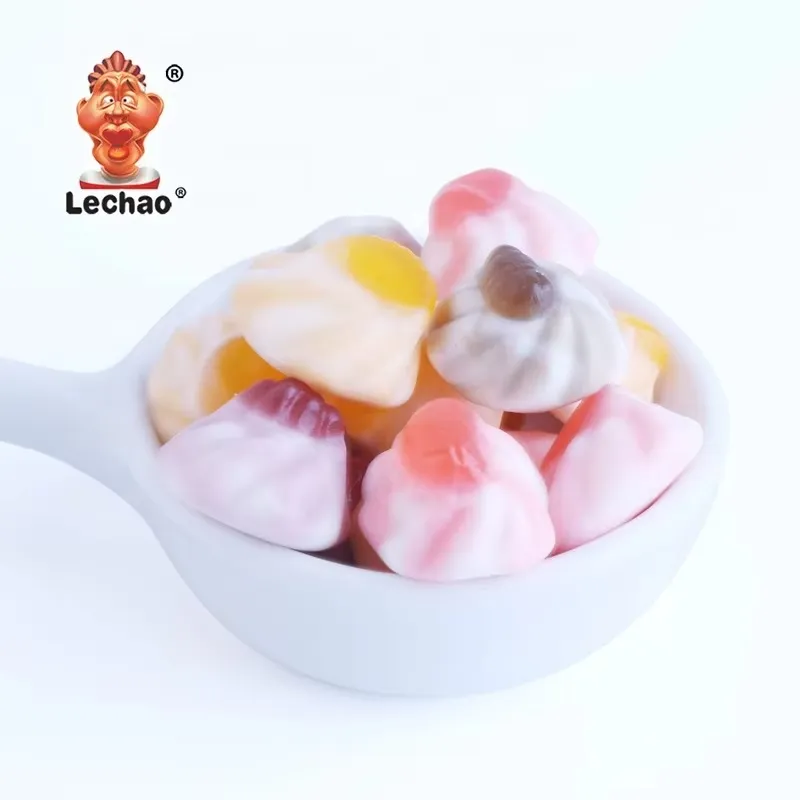
A filled gummy may feature a chewy outer layer and a softer center, while layered products combine different gummy textures, colors, or flavors in one piece.
Retail Positioning:
Filled and layered candies are suitable for specialty confectionery collections, premium-looking retail assortments, and brands looking to introduce more distinctive product concepts.
For buyers developing オーダーメイドのグミ, filled structures and multi-layer designs provide additional opportunities to differentiate their products in competitive retail markets.
Peelable and Stretchy Texture
Peelable and stretchy gummies offer a more interactive experience than conventional gummy candy. Their distinctive structure allows consumers to enjoy different textures through peeling, stretching, or separating different layers.
Common Product Examples:
- Peelable Fruit Gummies
- Multi-Layer Peelable Gummies
- Stretchy Gummy Candy
Texture Characteristics:
These products may combine an elastic outer layer with a softer inner gummy. Their unique structure creates a playful eating experience that goes beyond conventional chewing.
Retail Positioning:
Peelable gummies are particularly suitable for novelty candy collections, specialty candy retailers, and e-commerce product ranges that emphasize visual appeal and interactive experiences.
They can also create attractive opportunities for social media content, product demonstrations, and short-form videos.
For buyers seeking a peelable gummy candy manufacturer, the ability to develop consistent layers, textures, shapes, and fruit-inspired flavors is an important consideration.
Light and Fluffy Texture
Light and fluffy candies provide a completely different experience from dense and chewy confectionery products.
Common Product Examples:
- マシュマロ
- マシュマロ
- Crispy Marshmallows
Texture Characteristics:
Marshmallows are known for their soft, airy, and fluffy structure. Depending on the product design, they can also incorporate fillings or crispy elements to introduce additional texture.
Retail Positioning:
Marshmallows are suitable for supermarkets, seasonal confectionery collections, gifting products, and snack assortments. Their light texture and versatile appearance also make them suitable for baking and dessert-related applications.
How Candy Texture Influences Consumer Preferences
Understanding texture is also important when evaluating how different consumers interact with candy products. Texture can affect not only the first impression but also the overall eating experience and willingness to try new products.
Different Consumers, Different Texture Preferences
Some consumers prefer familiar, soft, and chewy candies, while others are more interested in products with unusual structures or interactive features.
例えば、こうだ:
- Traditional Candy Consumers: May prefer classic gummy candy, jelly beans, and soft chewy sweets.
- Novelty Candy Enthusiasts: May be attracted to peelable gummies, filled candy, and crunchy textures.
- Specialty Candy Shoppers: May look for distinctive combinations of flavors, shapes, and textures.
- Gift Buyers: May value colorful, visually appealing candy assortments with different shapes and textures.
These preferences are not limited to specific age groups. Retailers should also consider local tastes, purchasing habits, and product positioning when selecting candy products.
Texture Creates a More Memorable Eating Experience
Texture adds another dimension to candy beyond sweetness and flavor.
A soft gummy delivers a familiar bite, while a filled gummy introduces a contrast between the exterior and center. Peelable gummies create an interactive experience, and crunchy elements add another sensory layer.
For product developers, these differences provide opportunities to create more recognizable candy collections and encourage consumers to explore different product formats.
Texture as a Product Differentiation Strategy
When multiple brands offer similar fruit flavors or candy shapes, texture can become an additional way to distinguish products.
For example, a brand could develop a product range around:
- Classic soft and chewy gummies.
- Fruit-flavored peelable gummies.
- Filled gummies with contrasting centers.
- Crunchy-coated gummy products.
- Multi-texture candy assortments.
This approach allows brands to expand their product lines through texture innovation rather than relying exclusively on new flavors.
Matching Candy Textures with Different Retail Channels
Different retail channels have different product selection priorities. Buyers should consider how candy textures fit their sales environments, target customers, and product assortment strategies.
Supermarkets and Grocery Stores
Supermarkets typically require a balanced selection of familiar products and new items that can attract attention.
Soft gummies, jelly beans, marshmallows, and classic chewy candies can form the foundation of a regular confectionery assortment.
Buyers can also introduce filled or crunchy gummy products to add variety and encourage product exploration.
コンビニエンス・ストア
Convenience stores often focus on products that are easy to carry, display, and purchase on impulse.
Individually packed gummies, small candy bags, chewy sweets, and novelty candy formats can fit these requirements.
Clear packaging, recognizable flavors, and attractive product shapes can also support shelf visibility.
Specialty Candy Stores
Specialty candy retailers can create a more distinctive selection by offering products with unusual textures and structures.
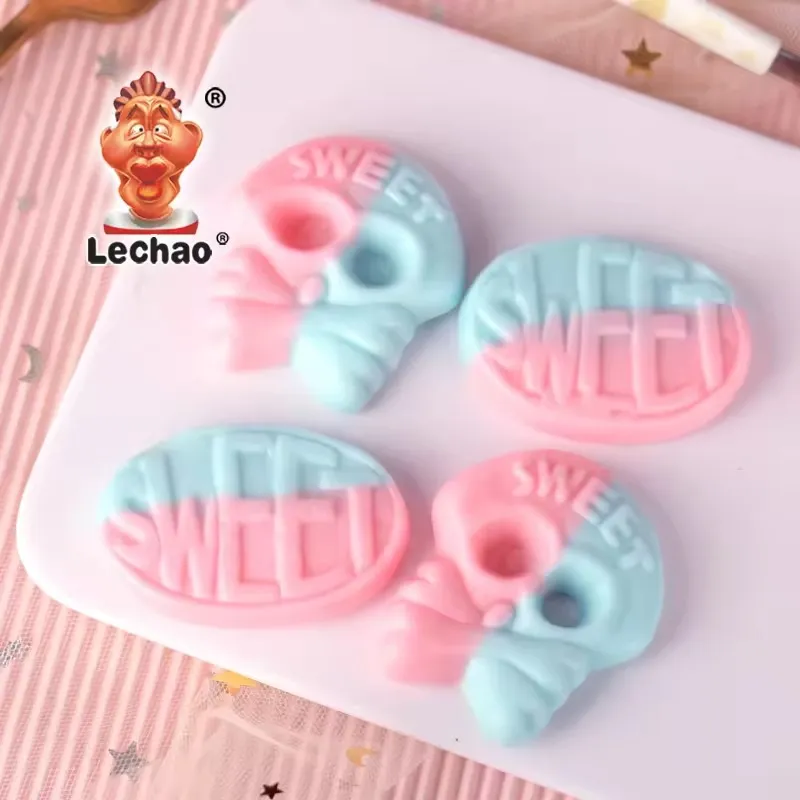
Peelable gummies, filled gummies, sour belts, and creative gummy shapes can help establish a recognizable product range.
These products are particularly suitable for retailers that focus on novelty confectionery and unique eating experiences.
E-commerce and Online Retail
Online candy sales depend heavily on product images, descriptions, and visual presentation.
Products with distinctive shapes, layered structures, peelable designs, or colorful coatings can provide more opportunities for product photography and video demonstrations.
For online sellers, combining different gummy textures within a product collection can help create more varied listings and promotional content.
Develop the Right Candy Collection with LeChao
Candy texture influences more than how a product feels when eaten. It helps shape consumer experiences, product differentiation, and retail positioning.
For wholesalers, importers, distributors, and private-label brands, combining classic chewy candies with innovative filled, crunchy, and peelable gummy products can create a more attractive and competitive product assortment.
At LeChao, we bring together diverse candy categories, flexible OEM/ODM customization, and large-scale manufacturing capabilities to support your product development and wholesale sourcing needs.
Whether you are looking for a reliable wholesale candy supplier, developing a custom gummy collection, or expanding your private-label candy range, our team is ready to discuss your project.
Share your product ideas, preferred textures, target market, packaging requirements, and estimated order quantity with us. Let’s develop candy products that fit your market.
Develop Your Candy Product Range with LeChao.