EN
EN  ZH
ZH  FR
FR  DE
DE  RU
RU  ES
ES  JA
JA  KO
KO  AR
AR 
Candy packaging does more than contain and protect the product. For brands, it also needs to attract consumers, communicate the product concept, support the intended sales channel, and protect profit margins.
When developing candy packaging, brands often focus heavily on artwork and appearance. However, an attractive package cannot compensate for poor moisture protection, weak seals, unsuitable packaging formats, or excessive packaging costs.
A better approach is to evaluate candy packaging according to a clear priority: product protection first, then shelf appeal, functionality, compliance, customization, and cost.
Product Protection Should Come First
Before thinking about colors, graphics, or finishing, brands need to make sure the packaging can protect the candy throughout production, transportation, storage, and retail.
Moisture and Oxygen Protection
Candy products can react differently to their surrounding environment. Moisture, oxygen, light, and temperature can affect texture, appearance, flavor, and shelf life.
For example, gummies and other soft candies may have different moisture-control requirements from hard candy. Chocolate products can also require packaging that provides appropriate protection against environmental conditions.
This is why choosing the right candy packaging materials should start with the characteristics of the candy itself.
Brands should communicate the product requirements to the packaging manufacturer rather than selecting a material based only on appearance or price.
Packaging Strength and Product Integrity
Packaging also needs to survive the supply chain.
Important factors include:
- Puncture resistance
- Seal strength
- Tear resistance
- Transportation protection
- Overall package integrity
A package may look excellent when it leaves the factory but still fail during transportation if the material or sealing structure is unsuitable.
For brands importing candy in bulk, packaging performance becomes particularly important because damage across thousands of units can quickly turn into a significant commercial loss.
Shelf Appeal Matters for Candy Brands
Once the packaging can adequately protect the product, the next priority is attracting consumers.
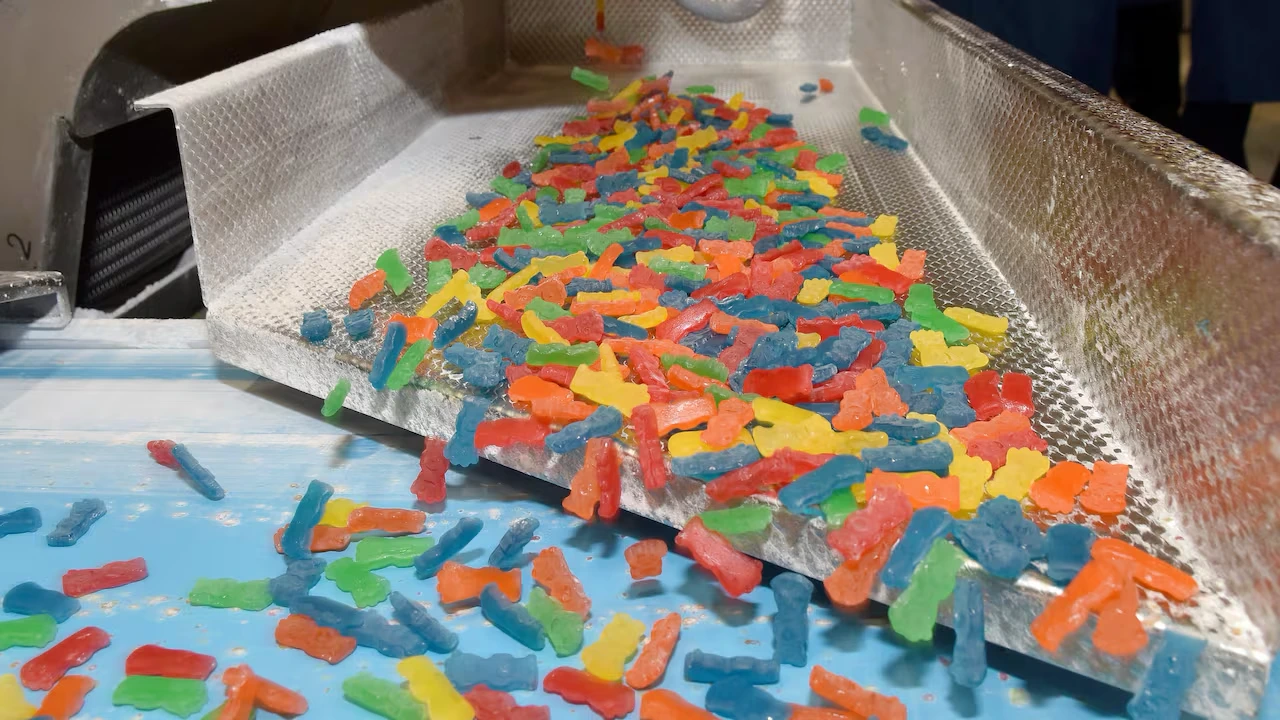
Candy is a highly visual category. Consumers often encounter products on crowded shelves or displays and make decisions quickly.
Color and Graphics
Packaging design can use:
- Color
- Product images
- Typography
- Graphic hierarchy
to make the product easier to notice and understand.
Bright colors may work well for playful or children’s candy, while a more restrained design may be appropriate for premium products. The correct approach depends on the brand’s positioning.
The important point is that the packaging should communicate the product concept quickly. Consumers should be able to understand what the product is and what makes it different without studying the package for a long time.
Brand Recognition
Packaging should also build recognition over time.
Brands with multiple candy SKUs should consider consistency in:
- Logo placement
- Brand colors
- Typography
- Product imagery
- Packaging formats
A consumer who recognizes one product should be able to identify other products from the same brand.
This is one reason custom candy packaging for brands should be approached as part of the broader brand strategy rather than as an isolated printing project.
Packaging Format Should Match the Product and Sales Channel
There is no universally best candy packaging format. The right structure depends on the product, quantity, target consumer, and sales channel.
Bags and Pouches
Bags and pouches are widely applicable to products such as:
- Gummies
- Licorice
- Marshmallows
- Mixed candy
- Larger candy packs
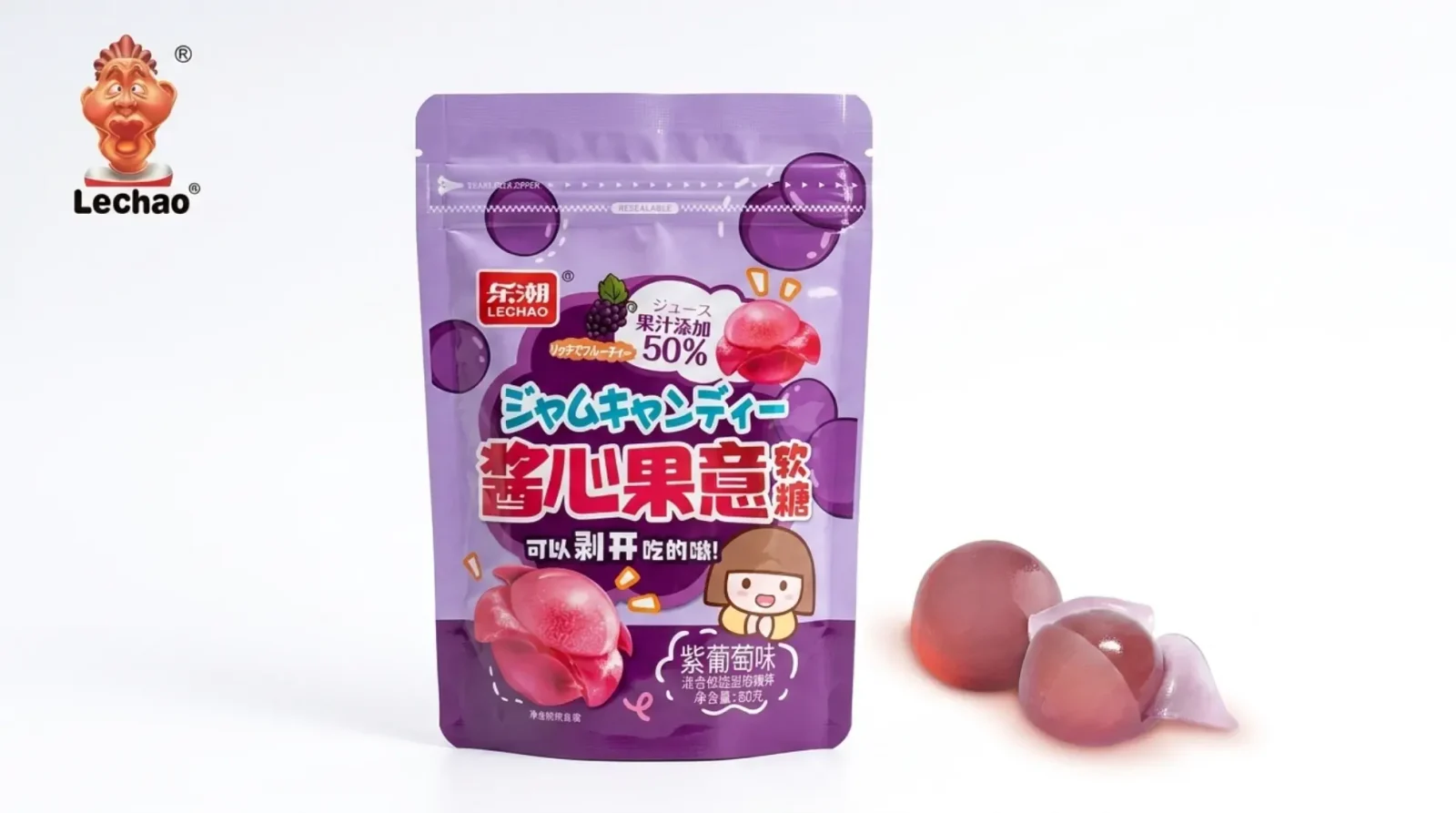
Flexible packaging can provide a relatively large printing area while allowing brands to customize package dimensions according to the product.
Custom candy bags and custom candy pouches can also be practical for wholesale products because their flexible structure can support efficient storage and transportation.
The package size should still match the actual sales strategy. A large package may work for sharing candy, while a smaller format may be more appropriate for impulse purchases.
Single-Serve and Small-Pack Formats
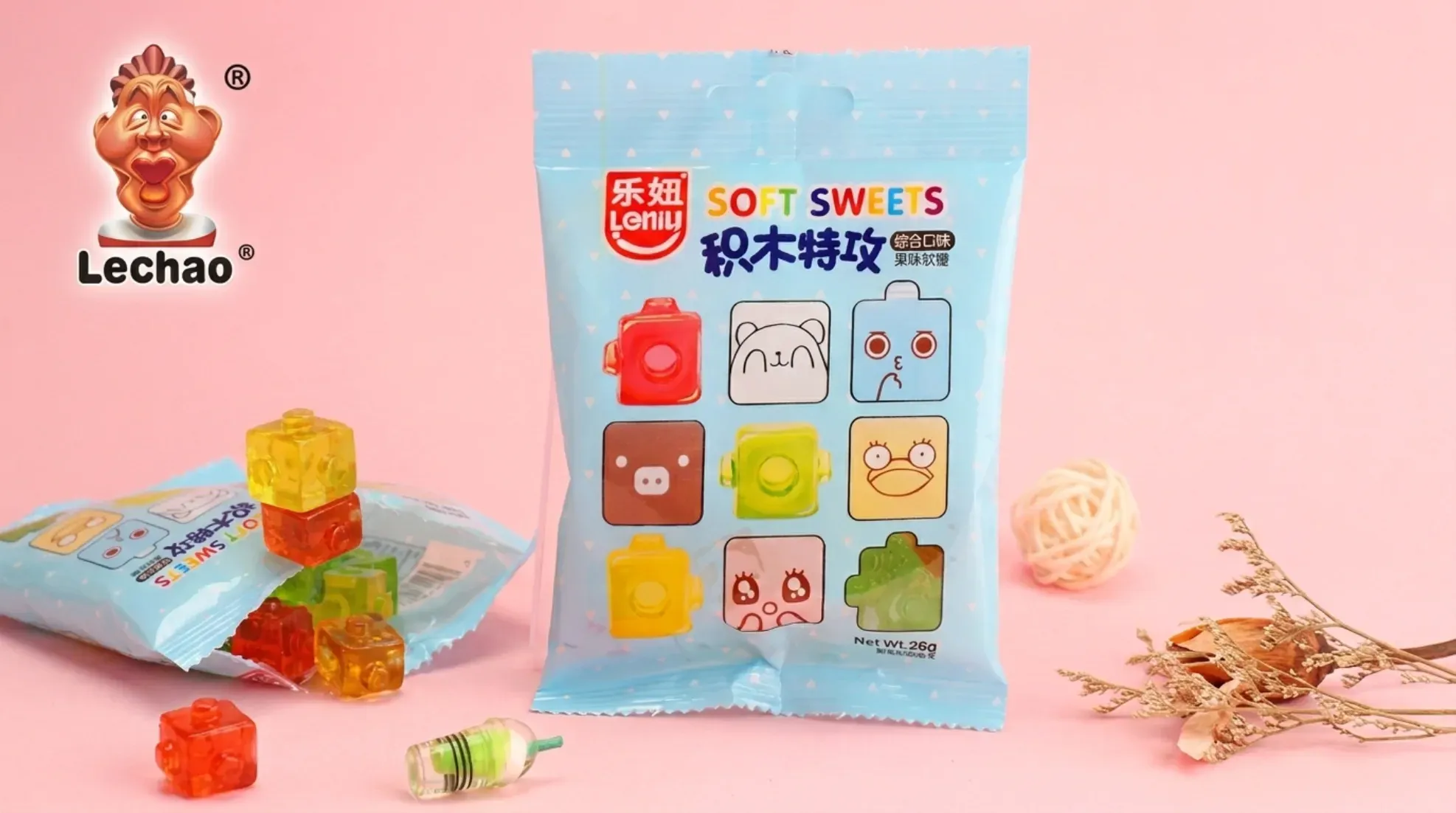
Smaller packages can be useful when candy is sold through:
- Convenience stores
- Checkout displays
- Vending environments
- Impulse-oriented retail
The goal is to provide a convenient quantity at a price point that encourages quick purchasing decisions.
For these products, packaging should be easy to handle and visually recognizable even when displayed in a crowded area.
Larger and Resealable Formats
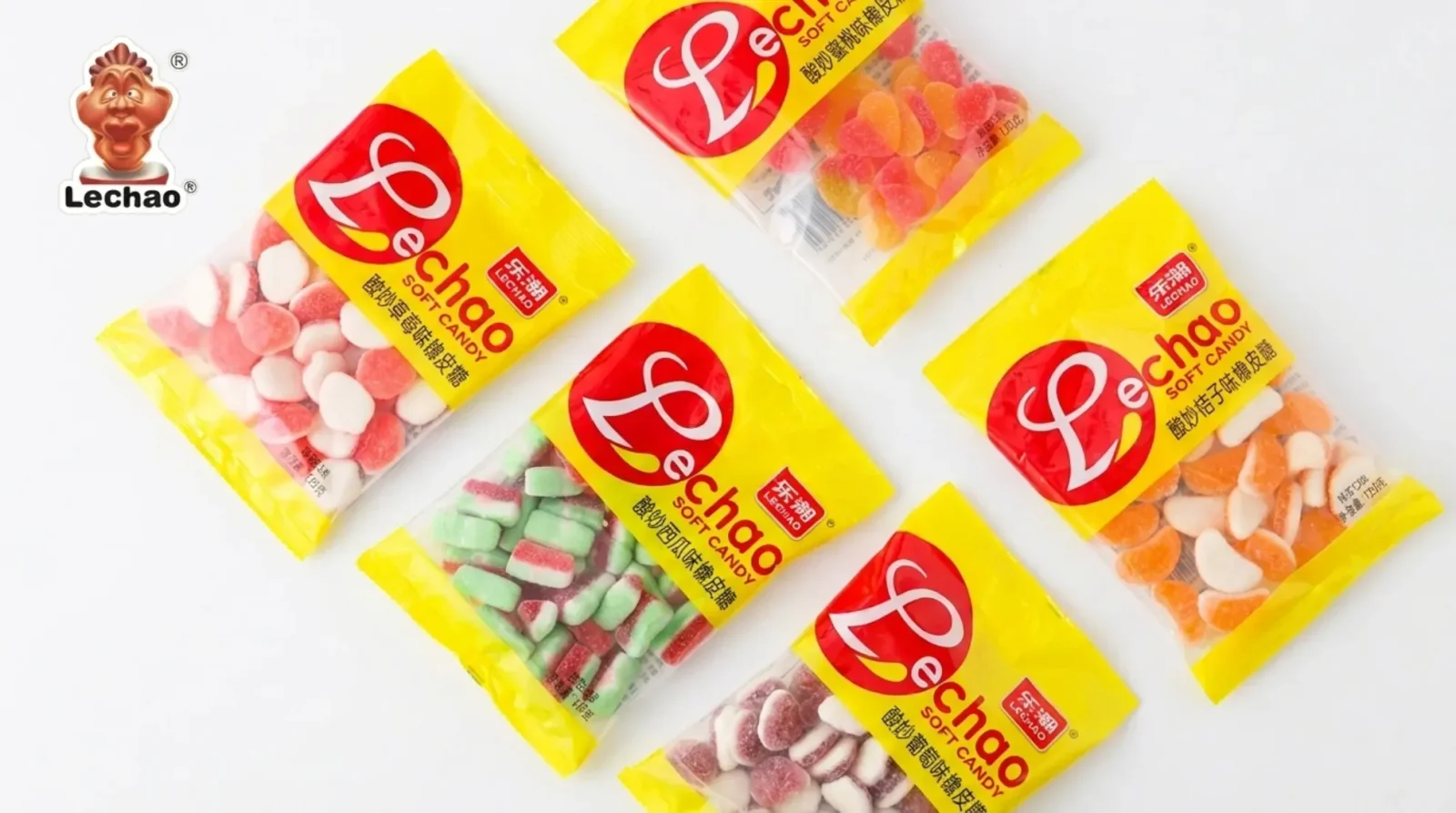
Larger packages may be more appropriate for:
- Sharing products
- Family packs
- Online sales
- Multiple consumption occasions
Resealability can also provide additional value when consumers are unlikely to finish the entire package at once.
However, adding features simply because they are available can increase cost without creating meaningful value. Brands should evaluate functionality according to actual consumer behavior.
Packaging Functionality Affects the Consumer Experience
Packaging is part of the product experience.
Consumers expect candy packaging to be reasonably easy to open, handle, and store. Depending on the product, useful features can include:
- Easy opening
- Resealability
- Portion control
- Product visibility
- Convenient storage after opening
The right functionality depends on the product.
For example, resealable packaging can make sense for a large bag of gummies that may be consumed over several occasions. It may provide little benefit for a small single-serving candy package.
Brands should therefore avoid treating additional packaging features as automatic improvements. Every feature should have a clear purpose.
Printing and Customization Should Support the Brand
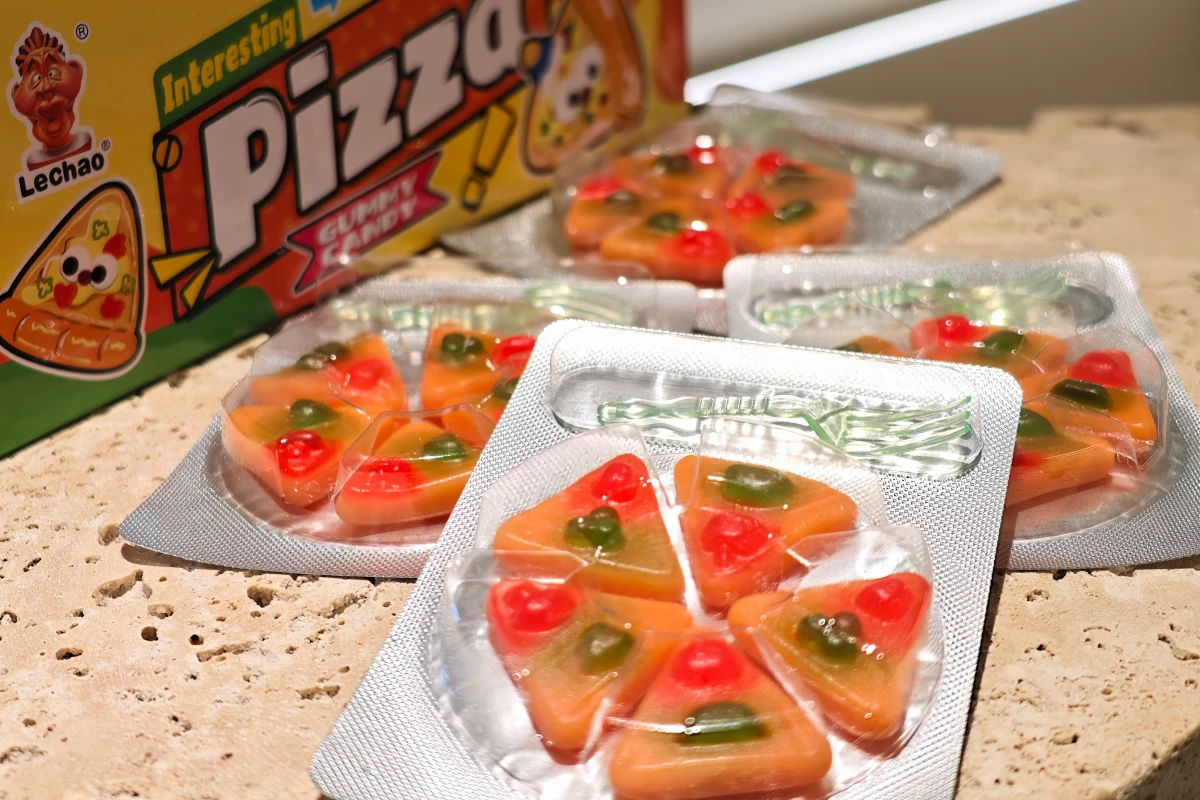
Packaging customization gives candy brands control over how their products appear in the market.
Printing Quality
Brands should evaluate the quality of:
- Color reproduction
- Product images
- Typography
- Barcode rendering
- Nutrition information
- Other required product information
Good printing is not simply about making the package look attractive. Text needs to remain readable, product information needs to be presented clearly, and barcodes need to function properly.
For brands with multiple SKUs, consistent printing quality is also important for maintaining a professional product range.
Customization Beyond Artwork
Customization goes beyond placing a logo on an existing package.
Depending on the project, brands may customize:
- Package size
- Shape
- Material structure
- Printing
- Finishing
- Closure
- Overall packaging format
Working with a custom candy packaging manufacturer can therefore provide more flexibility when the standard packaging format does not match the product or brand strategy.
The best customization is not necessarily the most complicated. It is the customization that solves a specific product, branding, or consumer requirement.
Food Safety and Regulatory Requirements Cannot Be Ignored
Candy packaging is directly connected to food safety and market-entry requirements.
Depending on the destination market, brands may need to consider:
- Food-contact material requirements
- Product labeling
- Nutrition information
- Ingredient information
- Allergen declarations
- Barcode requirements
Requirements can differ between countries and regions, so brands should confirm the applicable requirements for their target market before finalizing packaging specifications.
This is especially important for brands exporting candy internationally. A package that is acceptable in one market may require different labeling or documentation in another.
Packaging development should therefore include regulatory requirements from the beginning rather than treating compliance as an issue to solve after production.
Packaging Cost Should Be Evaluated as Total Cost
The lowest packaging quotation is not automatically the most cost-effective solution.
What Determines Candy Packaging Cost?
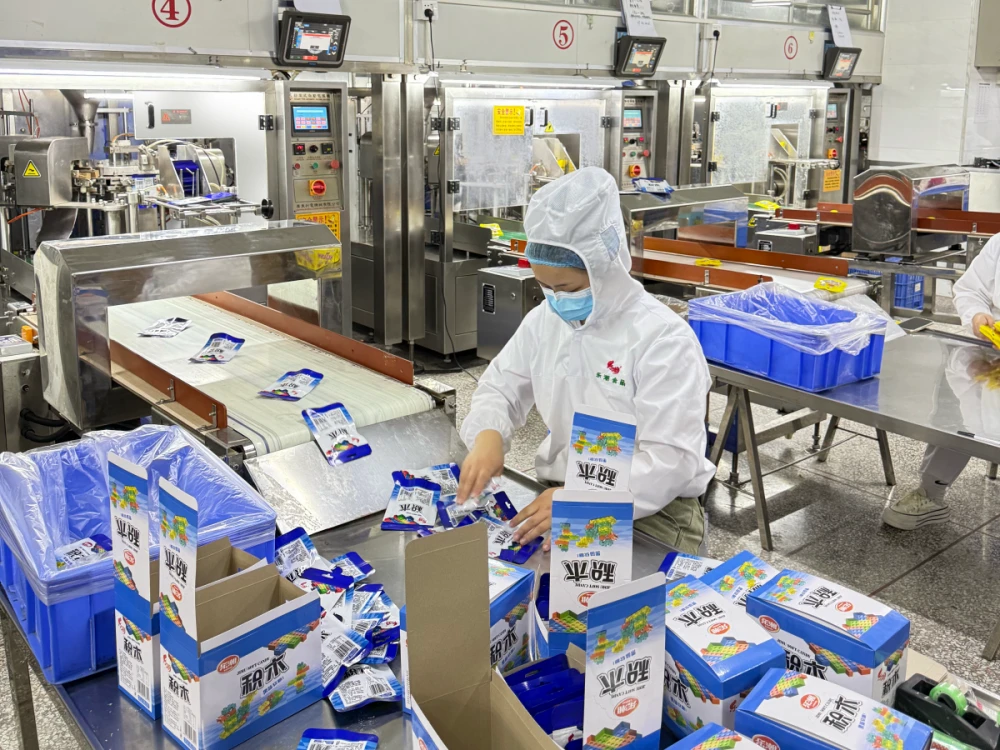
Packaging cost can be affected by:
- Material
- Package size
- Material structure
- Printing
- Finishing
- Order quantity
- Tooling or setup requirements
- Shipping efficiency
For example, a slightly more expensive packaging structure may provide better product protection and reduce damage or quality problems during transportation.
Similarly, a larger printing area or additional finishing can increase the unit cost without necessarily improving sales performance.
Brands should therefore compare the complete packaging specification rather than looking only at the quoted price per unit.
Balance Cost With Product Positioning
Packaging investment should also match the product’s market position.
Mass-market candy generally requires tighter cost control because packaging represents part of the overall retail price.
Mid-range candy needs to balance visual appeal, functionality, and cost.
Premium candy may justify greater packaging investment if the packaging contributes meaningfully to the perceived value of the product.
The objective is to find packaging that supports the product’s selling price, positioning, and target margin, rather than simply minimizing packaging cost.
For businesses purchasing wholesale candy packaging, this becomes especially important because even a small difference in unit cost can become significant at large order volumes.
How Should Brands Prioritize Candy Packaging Decisions?
When several packaging options are available, brands can use the following framework:
| Priority | What to Evaluate | Why It Matters |
|---|---|---|
| 1 | Product protection | Maintains candy quality |
| 2 | Food safety & compliance | Supports market entry |
| 3 | Packaging format | Matches product and sales channel |
| 4 | Shelf appeal | Attracts consumers |
| 5 | Functionality | Improves user experience |
| 6 | Customization | Builds brand differentiation |
| 7 | Cost | Protects product margins |
The key principle is simple:
Do not start with packaging artwork. Start with the candy, target market, and sales channel.
Once the product requirements and sales strategy are clear, it becomes much easier to determine the appropriate material, format, size, printing, and functional features.
This approach also prevents brands from spending money on packaging features that do not contribute to the product’s commercial objectives.
Conclusion: The Best Candy Packaging Balances Protection and Branding
There is no single feature that determines whether candy packaging is successful.
For brands, effective packaging needs to balance:
Product protection + compliance + shelf appeal + functionality + brand differentiation + cost.
The packaging should protect the candy throughout the supply chain, communicate the brand clearly, provide a suitable consumer experience, and remain commercially viable at the required production volume.
For businesses developing custom candy packaging, the best solution is therefore not necessarily the most visually complex or the cheapest option. It is the packaging structure that fits the candy, target market, retail channel, and brand positioning.
When these factors are considered together, packaging becomes more than a container. It becomes part of the product strategy and a practical tool for building a stronger candy brand.