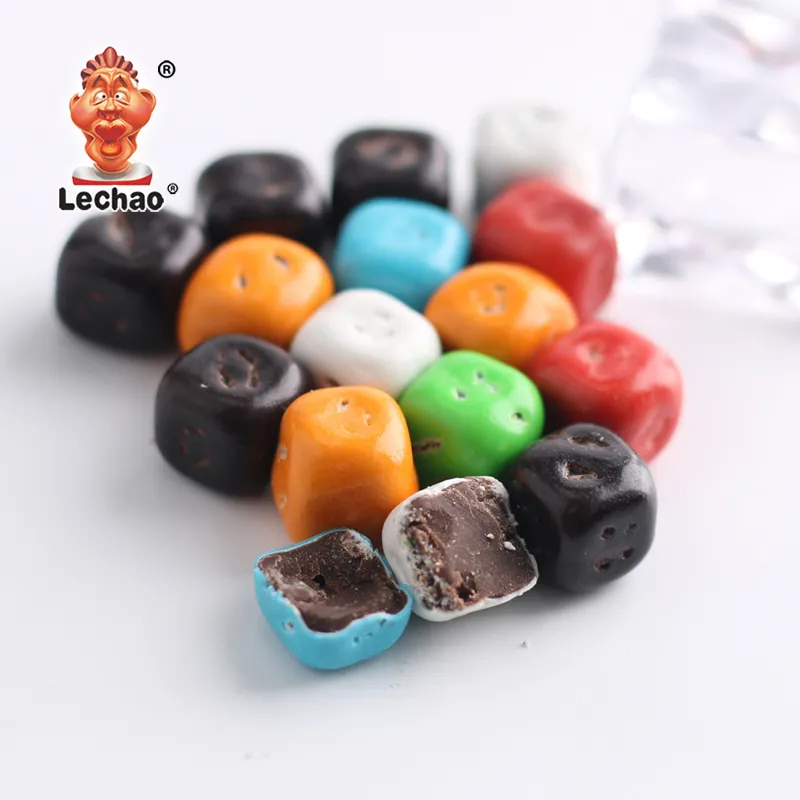
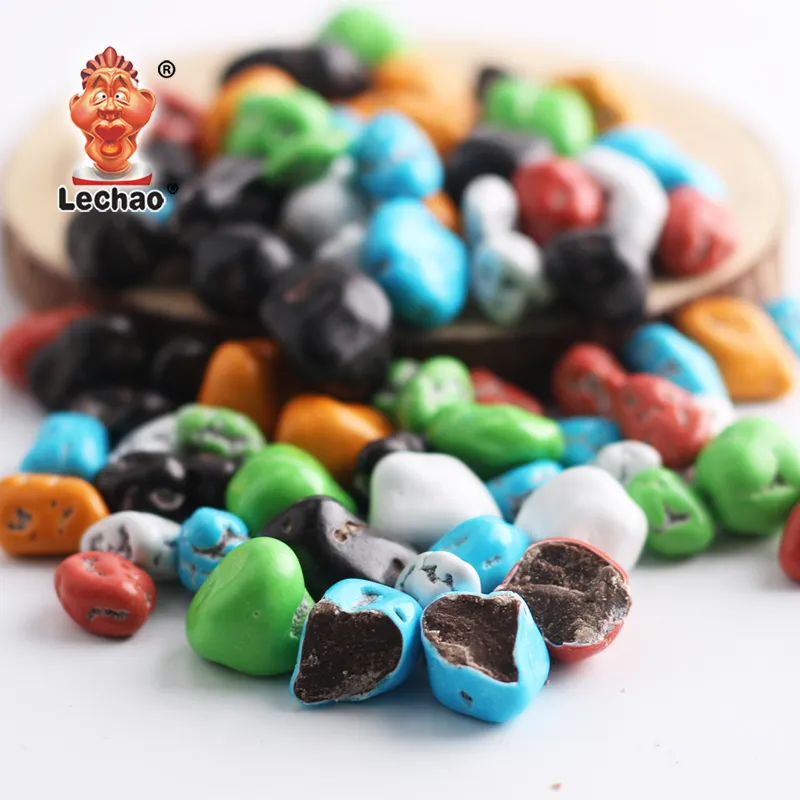
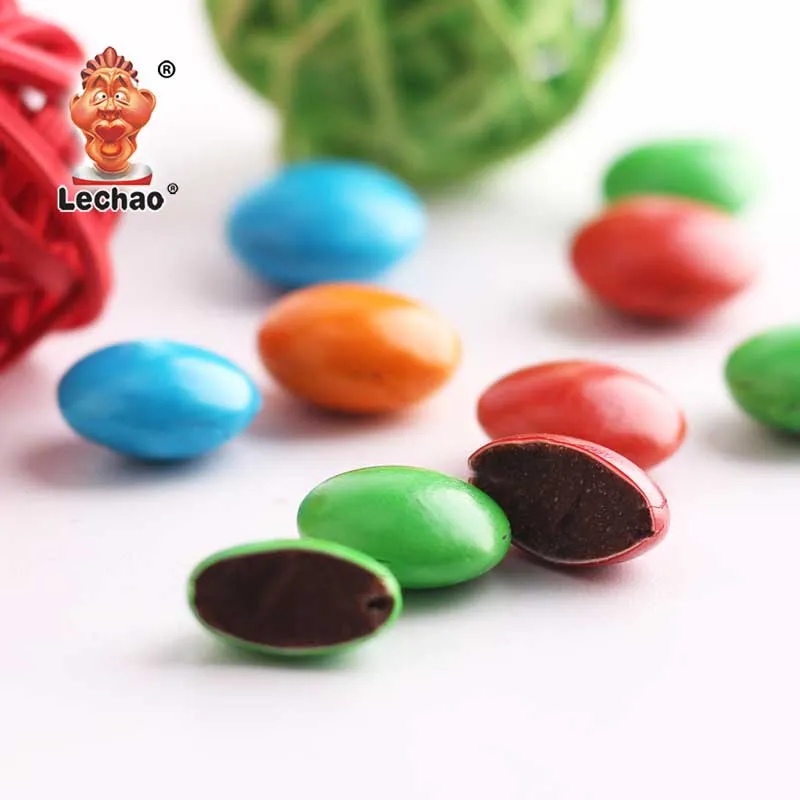
Chocolate candy is sensitive to its storage environment. Excessive heat, moisture, light, air, and temperature fluctuations can affect its appearance, texture, flavor, and freshness.
Whether you have a few chocolate candies at home or manage bulk chocolate inventory for retail, the basic principle is the same: keep chocolate cool, dry, dark, stable, and well sealed. The right conditions help prevent melting, bloom, moisture damage, and unwanted odor absorption.
What Happens When Chocolate Candy Is Stored Improperly?
Improper storage can cause chocolate candy to melt or soften, lose its original shape, develop a white or rough surface, change texture, or absorb odors from its surroundings.
These changes are usually quality problems rather than immediate health hazards. For example, chocolate with surface bloom is generally still safe to eat if it has been properly handled and shows no other signs of spoilage. However, chocolate containing cream, dairy, fruit, or other perishable fillings may have different food-safety requirements when stored incorrectly.
For this reason, proper storage is important for maintaining both product quality and food safety. The most important factors to control are temperature and humidity.
What Is the Best Temperature for Storing Chocolate Candy?
A cool, dry, and stable environment is generally best for chocolate. For many chocolate products, around 15–18°C (59–64°F) is a practical storage range, although the recommended temperature can vary according to the chocolate type, formulation, filling, and manufacturer’s instructions.
Why Temperature Stability Matters
Keeping chocolate at a stable temperature is often more important than simply making it as cold as possible.
Repeated temperature changes can cause chocolate to partially melt and solidify again. They can also create condensation when cold chocolate is exposed to warm air. These conditions increase the risk of bloom, texture changes, and surface defects.
Avoid moving chocolate repeatedly between warm and cold environments whenever possible.
Should You Store Chocolate Candy in the Refrigerator?
Refrigeration is not always necessary. If your home has a cool, stable storage area, a pantry or cupboard may be more suitable.
However, refrigeration can be useful when:
- The ambient temperature is consistently too high.
- The home does not have a cool storage area.
- The specific chocolate product requires refrigeration.
If you refrigerate chocolate, keep it tightly sealed to protect it from moisture and odors. When removing it from the refrigerator, allow the sealed package to approach room temperature before opening. This reduces the chance of condensation forming directly on the chocolate.

How Humidity Affects Chocolate Candy Storage
Temperature is only one part of chocolate storage. High humidity and moisture can also damage the surface and texture.
How Moisture Causes Sugar Bloom
When moisture reaches the chocolate surface, it can dissolve some of the sugar. As the moisture later evaporates, the sugar can recrystallize and leave a rough, whitish appearance. This is known as sugar bloom.
It is different from fat bloom, which is associated with the migration and recrystallization of fats within chocolate.
Keep Chocolate Away From Condensation
Condensation is a common source of unwanted moisture. It can occur when:
- Cold chocolate is moved into warm air.
- Refrigerated chocolate is opened immediately.
- Chocolate is stored in a damp environment.
Keeping chocolate sealed during temperature transitions helps reduce this risk.
Where Should You Store Chocolate Candy at Home?
The best location is generally cool, dry, dark, and away from strong odors.
Good Places to Store Chocolate
Suitable locations may include:
- A cool pantry
- A dry kitchen cupboard away from appliances
- A temperature-controlled cabinet
The storage area should have minimal exposure to direct sunlight and temperature fluctuations.
Places to Avoid
Avoid storing chocolate:
- Near ovens, stoves, or other heat sources
- In direct sunlight
- Inside a hot car
- In humid cabinets or areas
- Near strong-smelling foods
- In locations that become hot during the day and cool at night
Even if the chocolate does not completely melt, repeated exposure to unfavorable conditions can gradually reduce its quality.
How to Protect Chocolate Candy From Air, Light, and Odors
Good storage also requires appropriate protection from the surrounding environment.
Use Suitable Chocolate Packaging
Keep chocolate in its original sealed packaging whenever possible. For opened products, airtight containers or resealable packaging can provide additional protection.
Suitable packaging helps limit exposure to:
- Moisture
- Oxygen
- Light
- External odors
For products intended for longer storage, packaging is particularly important because environmental exposure can gradually affect flavor, texture, and appearance.
Keep Chocolate Away From Strong-Smelling Foods
Chocolate can absorb surrounding odors, particularly when its packaging is open or does not provide an effective barrier.
Keep it away from foods and products with strong aromas such as spices, onions, coffee, and other strongly scented ingredients.
How Long Does Chocolate Candy Last?
There is no single shelf-life period for every chocolate candy. It depends on the product’s ingredients, formulation, packaging, storage conditions, and filling.
Does Chocolate Go Bad?
Chocolate can experience quality deterioration before it necessarily becomes unsafe.
Common quality changes include:
- White or gray surface
- Loss of flavor
- Texture changes
- Unpleasant odors
- Reduced freshness
Consumers should always check the best-before or use-by date, packaging condition, and appearance of the product. If chocolate has an unusual smell, visible mold, damaged packaging, or other signs of spoilage, it should not be consumed.
What About Filled Chocolate Candy?
Filled chocolate can have different storage requirements from solid chocolate.
Products containing cream, dairy, fruit, nuts, caramel, or other fillings may have different moisture levels and shelf-life characteristics. Always follow the storage instructions provided for the specific product rather than applying the same storage method to every type of chocolate candy.


How to Store Different Types of Chocolate Candy
| Chocolate Type | Recommended Storage | Main Concern |
|---|---|---|
| Solid chocolate | Cool, dry, dark place | Heat and bloom |
| Chocolate-coated candy | Stable temperature and dry storage | Coating melting |
| Filled chocolate | Follow product instructions | Filling stability |
| Chocolate with nuts | Cool, dry, airtight storage | Oxidation and rancidity |
| Chocolate with fruit | Follow product-specific instructions | Moisture and shelf life |
| Seasonal chocolate | Protect from heat and temperature changes | Melting and appearance |
What Should B2B Buyers Consider When Storing Chocolate Candy?
For wholesalers, distributors, importers, and retailers, chocolate storage goes beyond keeping products fresh at home. The product must maintain acceptable appearance, texture, flavor, and packaging condition throughout transportation, warehousing, and retail display.
Consider Storage Conditions Before Placing a Bulk Order
Before purchasing bulk chocolate, consider:
- Warehouse temperature
- Humidity control
- Transportation conditions
- Expected storage period
- Retail display environment
- Target market climate
This is particularly important when shipping chocolate to hot or humid markets. A product stored successfully in a cool warehouse may face very different conditions during ocean transportation, customs clearance, local warehousing, or retail display.
Discuss Shelf Life and Packaging With the Manufacturer
B2B buyers should confirm:
- Recommended storage temperature
- 保质期
- Packaging barrier properties
- Inner and outer packaging protection
- Transportation requirements
- 储存说明
These details help buyers evaluate whether a product is suitable for their supply chain before placing a large order.
Match Chocolate Products With the Target Market
Climate should be considered during product selection. Buyers importing chocolate into hot, humid, or long-distance shipping markets should discuss these conditions with the manufacturer before finalizing the product specification.
A custom chocolate candy manufacturer can evaluate whether adjustments to the formulation, packaging, or product format are appropriate for the intended market and distribution conditions.

How Manufacturers Help Protect Chocolate Quality
Storage performance starts before the chocolate reaches the warehouse or consumer.
Formulation and Processing
Manufacturers can influence product stability through factors such as:
- Chocolate formulation
- Fat system
- Ingredient selection
- Tempering
- Cooling process
Proper processing helps establish the intended texture and appearance and can improve consistency between production batches.
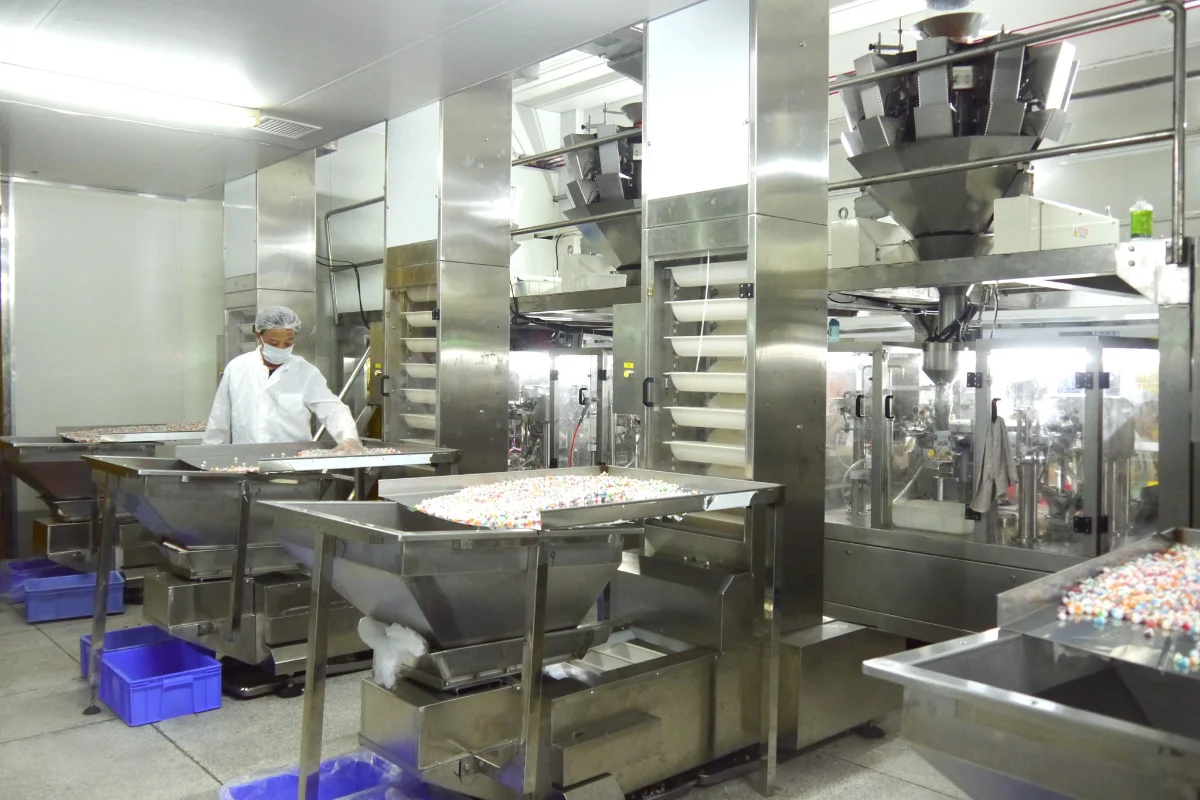
Packaging and Quality Control
Packaging is another important part of chocolate protection. A professional chocolate candy manufacturer considers the relationship between the product, packaging, transportation, and expected storage conditions.
For wholesalers and distributors, working with an experienced chocolate candy supplier also allows storage requirements and quality-control procedures to be discussed before shipment.
OEM and Custom Chocolate Candy
Private-label buyers can discuss storage-related requirements during product development, including:
- Chocolate type
- Formulation
- Filling
- 包装规格
- Shelf-life target
- Target-market climate
- Distribution conditions
This is particularly useful when developing products for wholesale distribution, where storage and transportation can represent a significant part of the product’s commercial journey.

Common Chocolate Candy Storage Mistakes
Avoid these common mistakes:
- Storing chocolate near a heat source
- Leaving chocolate in direct sunlight
- Opening refrigerated chocolate immediately after removal
- Storing chocolate in a humid environment
- Leaving opened chocolate poorly sealed
- Keeping chocolate next to strong-smelling foods
- Repeatedly moving chocolate between hot and cold environments
Most of these problems are easy to prevent once the storage environment is properly controlled.
Chocolate Candy Storage Checklist
Use this simple checklist to maintain chocolate quality:
- Keep chocolate cool
- Maintain a stable temperature
- Avoid high humidity
- Protect it from direct sunlight
- Seal opened chocolate properly
- Keep it away from strong odors
- Follow the manufacturer’s storage instructions
- Check the best-before date and product condition
Conclusion: Store Chocolate in a Stable Environment
Proper chocolate candy storage does not require complicated equipment in most situations. The basic principle is simple: keep chocolate cool, dry, dark, stable, and well sealed.
Refrigeration is not automatically better. When the surrounding temperature is suitable, stable cool storage is usually sufficient. In hot environments, refrigeration may be necessary, but chocolate should remain sealed to prevent condensation and moisture exposure.
For B2B buyers, storage should also be considered before purchasing. Understanding the target climate, transportation conditions, packaging, shelf life, and warehouse environment can help ensure that chocolate maintains its quality throughout the entire supply chain.
FAQs About Chocolate Candy Storage
What is the best temperature to store chocolate candy?
For many chocolate products, around 15–18°C (59–64°F) is a practical storage range. However, always follow the manufacturer’s specific recommendations because formulations and fillings can differ.
Should chocolate candy be refrigerated?
Not necessarily. Refrigeration can be useful in hot environments, but chocolate should be tightly sealed to prevent moisture, condensation, and odor absorption.
How do you keep chocolate from melting?
Store it in a cool location away from sunlight and heat sources, and avoid repeated temperature changes. For hot climates, controlled-temperature storage may be necessary.
Why does chocolate turn white?
Chocolate can develop a white or gray surface because of fat bloom or sugar bloom. These are generally quality issues caused by changes in temperature or moisture rather than signs that the chocolate is automatically unsafe.
Is chocolate with bloom safe to eat?
Generally, bloom alone does not mean chocolate is unsafe. However, check the product for unusual odors, mold, damaged packaging, or other signs of spoilage before consuming it.
How long does chocolate candy last?
Shelf life varies according to the chocolate type, ingredients, filling, packaging, and storage conditions. Always follow the date and storage instructions provided by the manufacturer.
Can you freeze chocolate candy?
Some chocolate products can be frozen, but it is not suitable for every formulation. If freezing is necessary, the product should be well sealed and protected from condensation during thawing.
What is the best container for storing chocolate?
An airtight container can help protect opened chocolate from moisture, air, and odors. For unopened products, keeping the original packaging intact is generally preferable.
What should businesses consider when storing chocolate candy in bulk?
Businesses should evaluate temperature, humidity, transportation, warehouse conditions, storage duration, packaging, shelf life, and retail display conditions before placing a bulk order.
Does chocolate packaging affect shelf life?
Yes. Packaging can help protect chocolate from moisture, oxygen, light, and external odors. The appropriate packaging depends on the product formulation and intended storage and distribution conditions.