Exporting gummy candy and marshmallow products internationally requires far more than simply manufacturing and shipping the goods. Food products are heavily regulated in most countries, and incomplete export documentation can easily result in customs delays, cargo inspections, relabeling costs, or shipment rejection.

For candy importers, wholesalers, supermarket chains, and private label brands, understanding export documentation is critical to ensuring smooth customs clearance and market compliance.

This guide explains the essential export documents used for gummy candy and marshmallow exports, common import requirements by country, and the real-world compliance issues buyers often face when importing confectionery products globally.

According to the U.S. FDA, imported food products must comply with the same safety, sanitation, and labeling requirements as domestic products, and importers are responsible for ensuring compliance before products enter the market. (U.S. Food and Drug Administration)

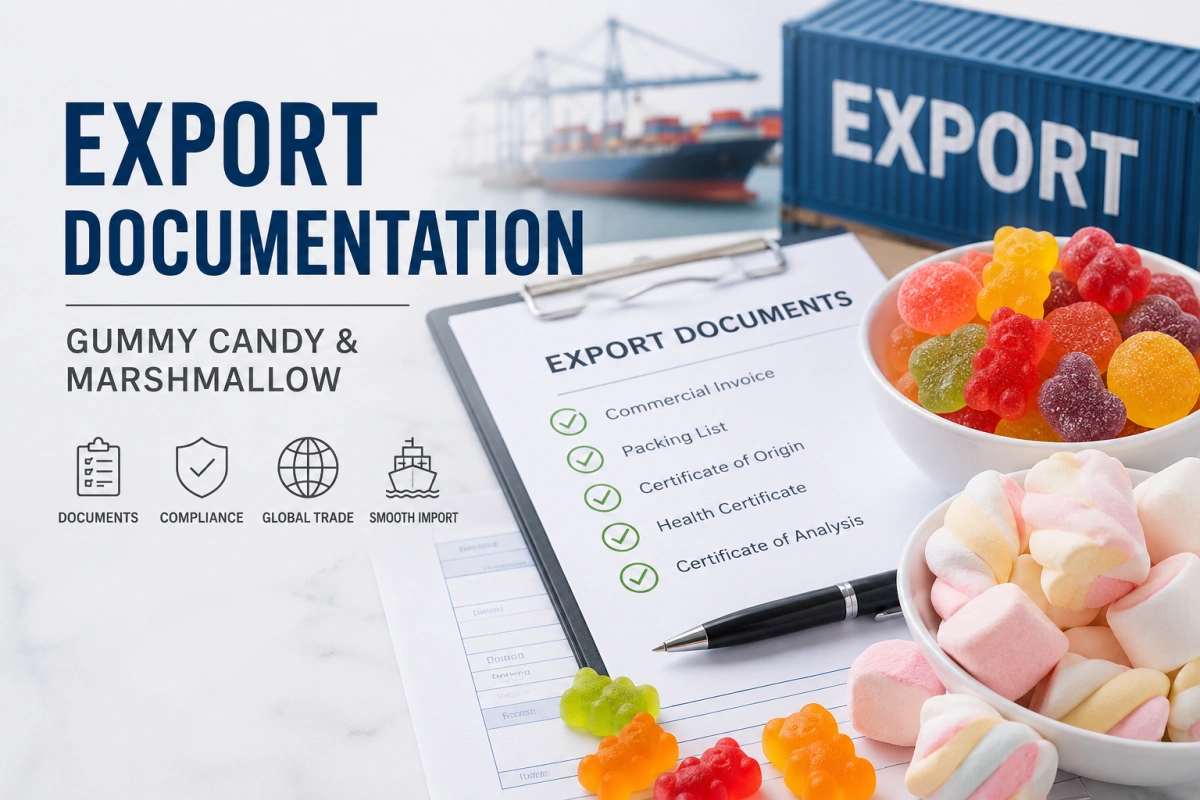
Gummy Candy & Marshmallow Export Documentation Guide (2026 Checklist)

Why Export Documentation Matters in the Candy Industry

Unlike general consumer products, confectionery products involve:

  • Food safety compliance
  • Ingredient regulations
  • Allergen declarations
  • Labeling laws
  • Customs classification
  • Shelf-life verification

For gummy candy and marshmallow products specifically, documentation becomes even more important because formulations may contain:

  • 明胶
  • 果胶
  • Dairy ingredients
  • Artificial colors
  • Functional additives
  • Allergen-sensitive ingredients

Different countries regulate these ingredients differently.

For example, the UK Food Standards Agency notes that imported confectionery must comply with local hygiene, labeling, additives, and packaging regulations, even if products are legally sold in their country of origin. (Food Standards Agency)


Complete Export Documentation Checklist for Gummy Candy & Marshmallow

Essential Shipping Documents

DocumentMandatoryMain Purpose
Commercial InvoiceYesCustoms valuation
Packing ListYesShipment verification
Bill of LadingYesTransportation ownership
Certificate of OriginOften RequiredTariff & origin verification
Insurance CertificateDepends on IncotermsCargo protection

Food Safety & Compliance Documents

DocumentCommon RequirementPurpose
Health CertificateMany countriesFood safety compliance
Certificate of Analysis (COA)Retailers & distributorsProduct testing verification
Ingredient ListYesRegulatory compliance
Nutrition FactsYesLabel compliance
Allergen StatementHighly RecommendedConsumer safety
Shelf-Life ReportOften RequiredImport approval

Private Label & OEM Documents

DocumentPurpose
Packaging Artwork ApprovalLabel accuracy confirmation
Barcode VerificationRetail compatibility
Trademark AuthorizationBrand ownership verification
Product Specification SheetTechnical product details

The Most Important Export Documents Explained

1. Commercial Invoice

The commercial invoice is the foundation of customs clearance.

For candy exports, the invoice should accurately include:

  • Product description
  • Flavor type
  • HS code
  • Quantity
  • Unit value
  • Country of origin
  • Incoterms
  • Buyer and seller details

One of the most common causes of customs delays in confectionery exports is mismatched product quantities between the commercial invoice and packing list.

At LeChao Candy, this is one of the first checkpoints reviewed before shipment booking.


2. Packing List

The packing list provides detailed cargo information, including:

  • Carton count
  • Gross weight
  • Net weight
  • Pallet quantity
  • Carton dimensions
  • Container loading details

For gummy candy exports, accurate carton information is especially important because confectionery products are often loaded by SKU, flavor, or private label batch.

Warehouse receiving teams rely heavily on this document during unloading and inventory verification.


3. Bill of Lading (B/L)

The Bill of Lading is issued by the shipping carrier and serves as:

  • Proof of shipment
  • Ownership document
  • Freight contract

The most common B/L types used in candy exports include:

  • Original Bill of Lading
  • Sea Waybill
  • Telex Release

The selected format usually depends on payment terms and customer requirements.


4. Certificate of Origin (COO)

The COO verifies where the gummy candy or marshmallow products were manufactured.

This document is commonly required for:

  • Customs clearance
  • Import duty reduction
  • Free trade agreement benefits
  • Distributor registration

For many confectionery importers, COO documentation is particularly important when importing from large manufacturing countries like China.


Food Safety Documents for Gummy Candy and Marshmallow

5. Health Certificate

Many countries require a Health Certificate confirming that exported candy products are manufactured under hygienic food production standards.

This certificate may be issued by:

  • Government authorities
  • Inspection agencies
  • Authorized export organizations

Middle Eastern markets and Southeast Asian countries often request this document for marshmallow and gummy candy imports.


6. Certificate of Analysis (COA)

The COA confirms laboratory testing results and product quality specifications.

Typical candy COA testing includes:

Test ItemPurpose
Microbiological TestingFood safety verification
Heavy Metal TestingRegulatory compliance
Moisture ContentShelf-life stability
Ingredient VerificationFormula consistency
Allergen ReviewConsumer safety

Large retailers and supermarket buyers commonly request COA reports before approving suppliers.


7. Ingredient List & Nutrition Information

Food labeling regulations differ significantly between countries.

The European Commission requires prepacked food products to clearly display ingredients, allergens, net quantity, storage instructions, and date marking information. (Food Safety)

For gummy candy and marshmallow exports, ingredient documentation usually includes:

  • Full ingredient declaration
  • Additives and colorants
  • Nutritional values
  • Allergen statements
  • Storage recommendations
  • Shelf life

This is especially critical for:

  • Halal gummies
  • Vegan gummies
  • Sugar-free candy
  • Functional gummies

Common Country Import Requirements

美国

The FDA states that imported food products must be properly labeled, produced under sanitary conditions, and comply with U.S. food regulations. FDA-regulated products are also subject to inspection upon entry. (U.S. Food and Drug Administration)

Common U.S. Requirements

  • FDA facility registration
  • Prior Notice filing
  • English labeling
  • Nutrition Facts panel
  • Allergen declarations
  • FDA-compliant ingredients

European Union

The EU has strict allergen and labeling regulations for imported confectionery.

Common EU Requirements

  • Ingredient transparency
  • Highlighted allergens
  • Additive compliance
  • Traceability documentation
  • Packaging conformity

The EU currently requires 14 major allergens to be clearly declared on food labels. (Food Safety)


Middle East

Many Middle Eastern buyers request:

RequirementCommon Markets
Halal CertificateSaudi Arabia, UAE
Arabic LabelingGCC countries
Product RegistrationSome regional distributors

Marshmallow exports often require additional gelatin source verification.


Southeast Asia

Import requirements vary by country, but commonly include:

  • Health certificates
  • Local language labels
  • Product registration
  • Ingredient review

Countries such as Indonesia and Thailand may have stricter approval processes for confectionery ingredients and additives.


HS Code for Gummy Candy and Marshmallow

Candy products are commonly classified under HS code 1704.90 for sugar confectionery not containing cocoa. (HS Code Atlas)

However, final customs classification may vary depending on:

  • Ingredients
  • Cocoa content
  • Product composition
  • National tariff systems

Because customs codes can directly affect import duties and declaration procedures, importers should always confirm classification with customs brokers or local authorities before shipment.


Common Export Problems in Candy Shipments

Incorrect Allergen Labeling

Allergen compliance is one of the most common causes of relabeling issues in confectionery imports.

Different countries apply different allergen rules, especially for:

  • Peanut traces
  • Dairy ingredients
  • Gelatin sources
  • Shared production lines

Online discussions among import consumers frequently highlight confusion caused by inconsistent allergen labels between export packaging and local import stickers. (reddit.com)


Mismatched Carton Quantities

A very common customs issue in gummy candy exports occurs when:

  • Invoice quantities
  • Packing list quantities
  • Container loading quantities

do not perfectly match.

Even minor discrepancies may trigger customs inspections.


Label Translation Errors

Incorrect translations for:

  • Ingredients
  • Allergens
  • Nutrition panels

can delay customs approval and retailer onboarding.

This is particularly common in multilingual markets such as the EU and Canada.


Recommended Export Workflow for Candy Importers

Product Confirmation
↓
Formula & Compliance Review
↓
Packaging Artwork Approval
↓
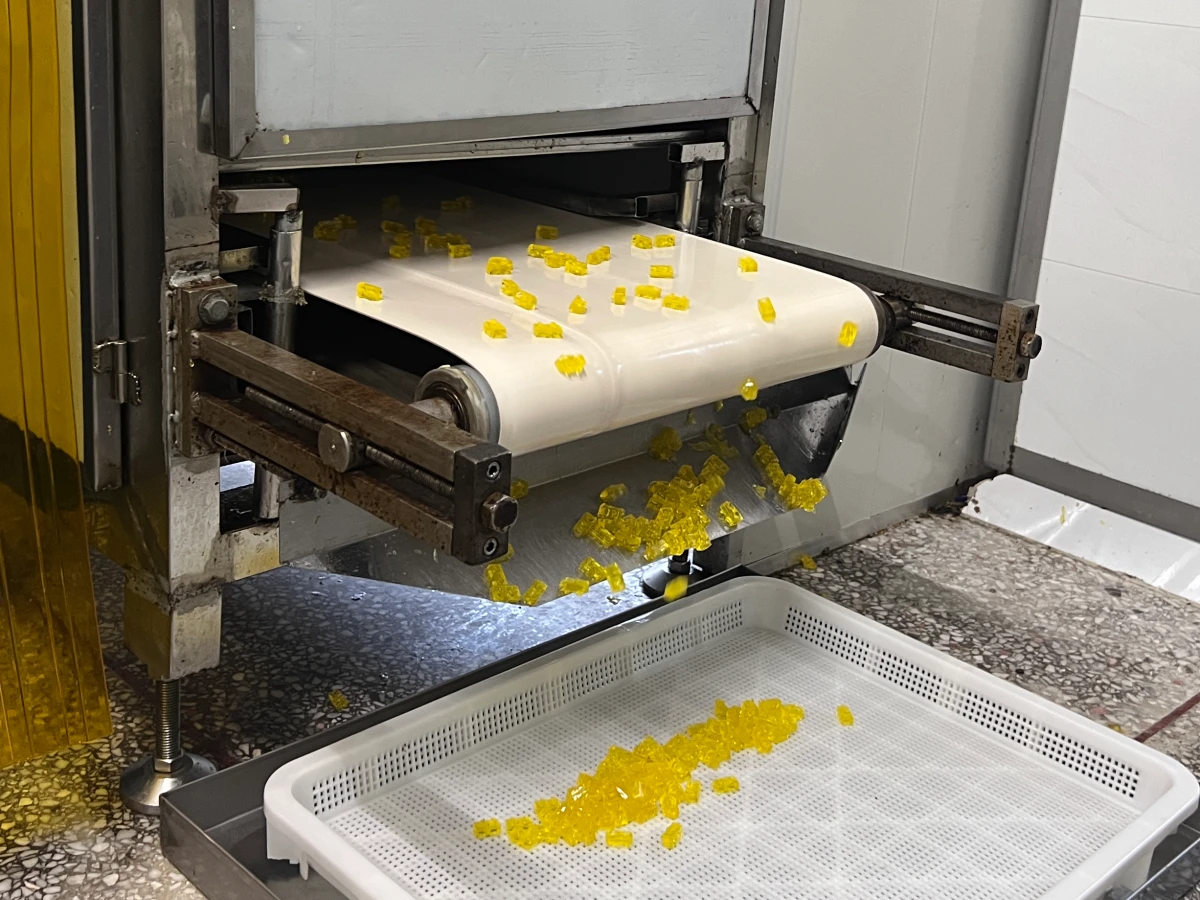
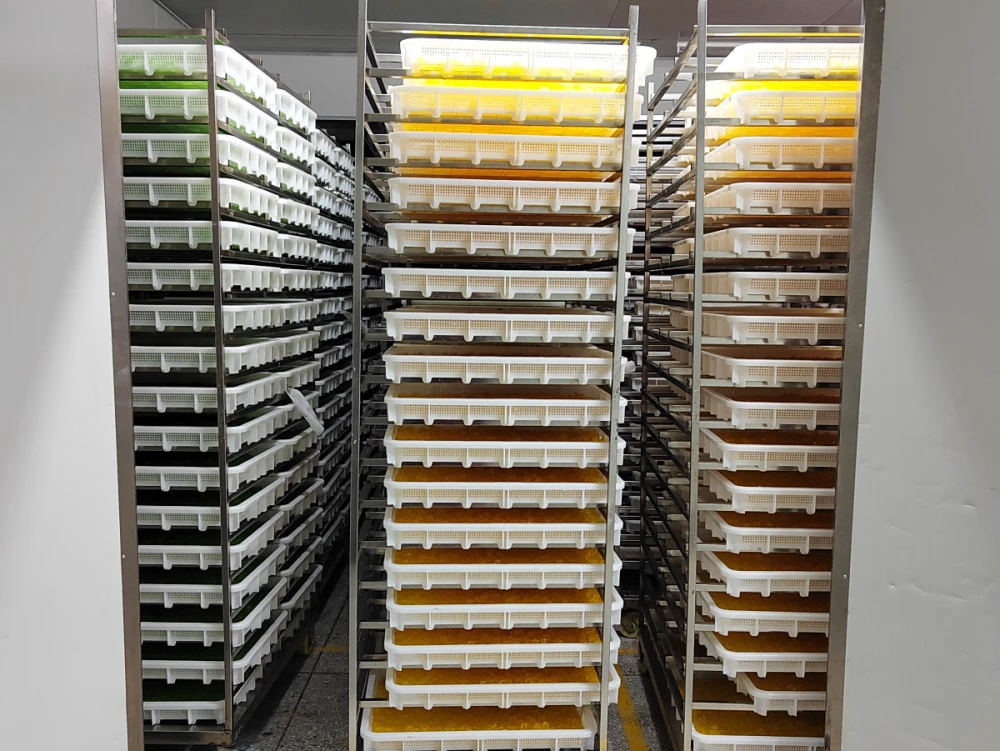
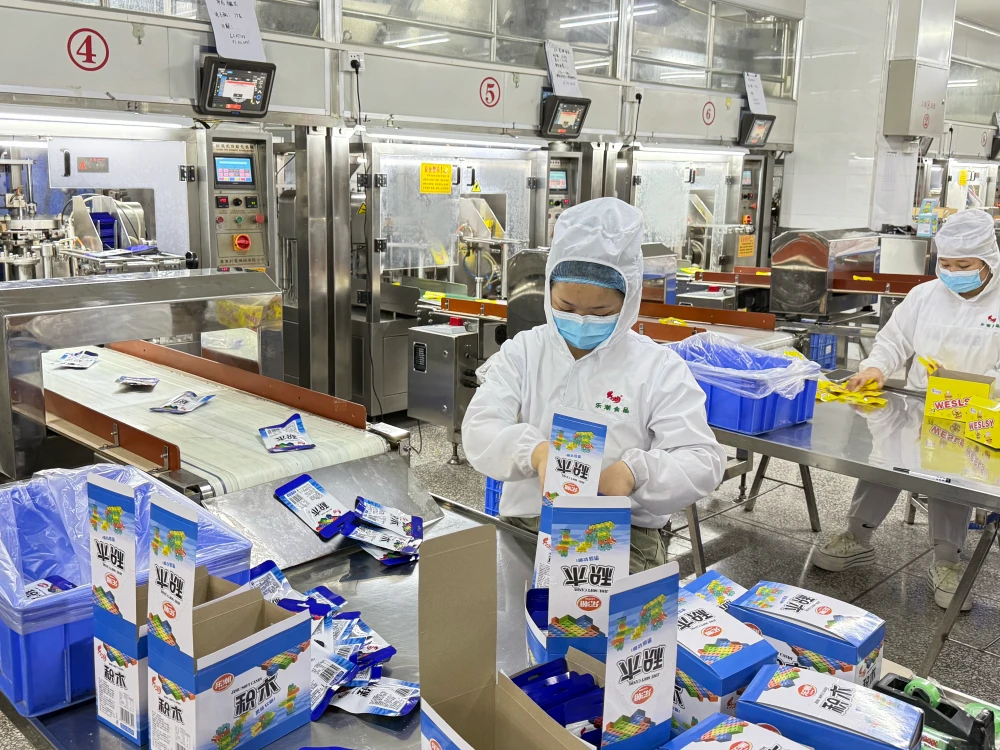
Production
↓
Food Safety Testing
↓
Export Documentation Preparation
↓
Container Loading
↓
Customs Clearance
↓
International Delivery

How LeChao Candy Supports International Buyers

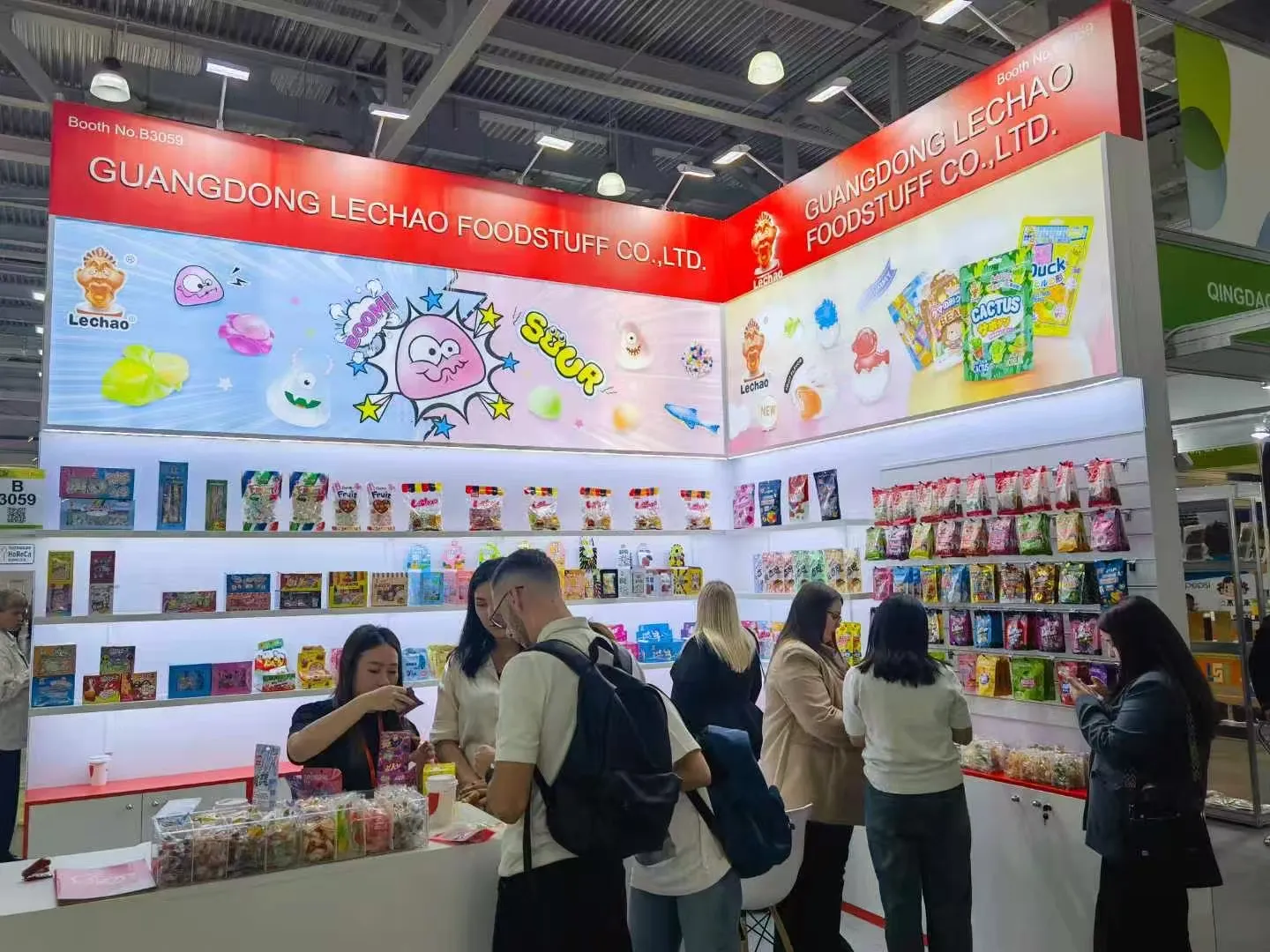
乐潮糖果 is a professional soft candy manufacturer established in 1991, specializing in:

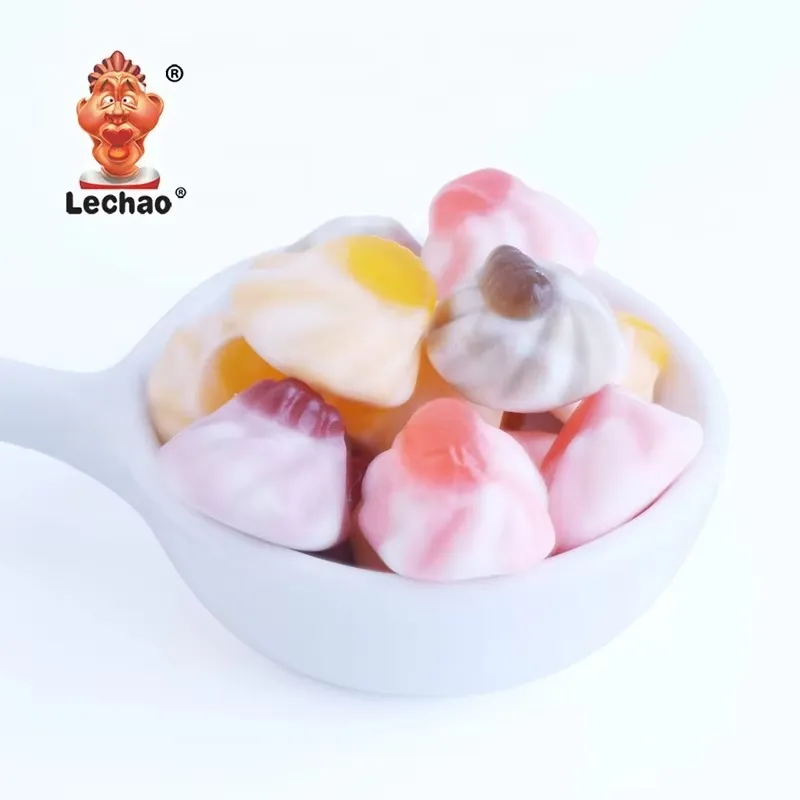
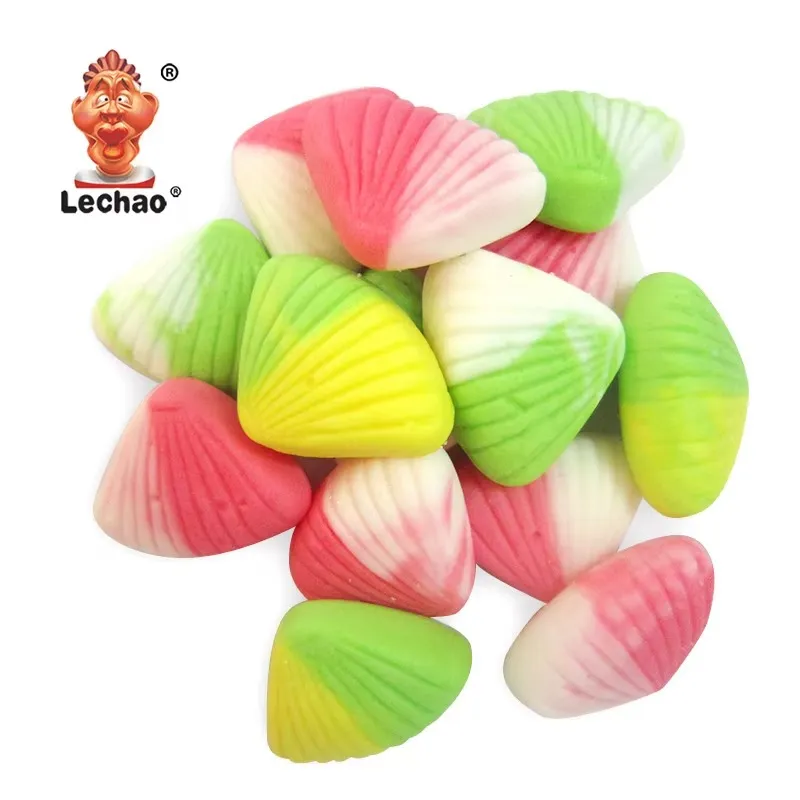
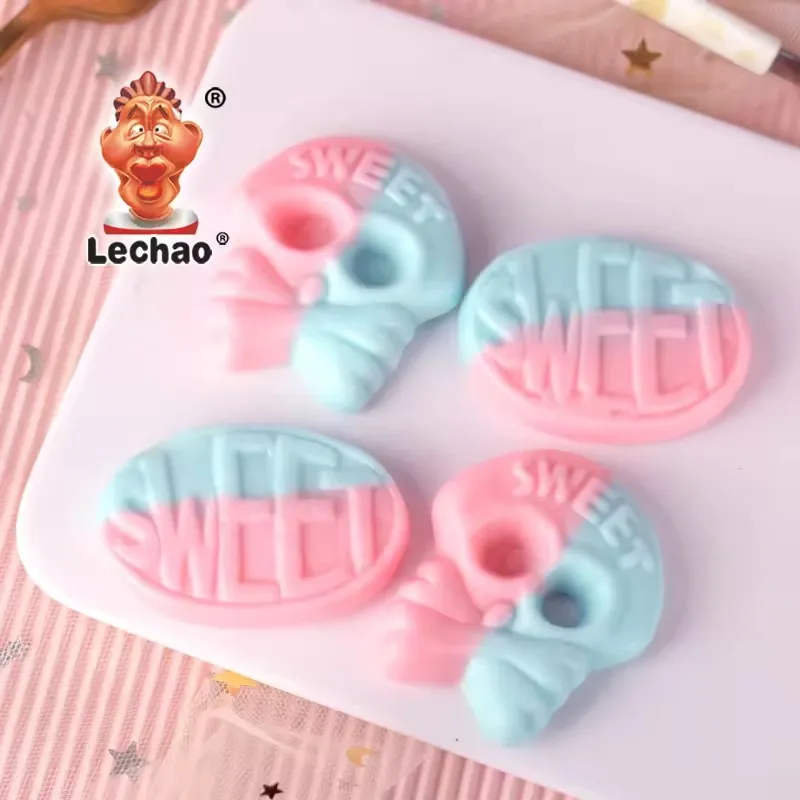
  • Gummy candy
  • 棉花糖
  • Licorice candy
  • Jelly candy
  • Private label confectionery

We support global importers with:

  • OEM & ODM manufacturing
  • Export documentation preparation
  • Label compliance assistance
  • Food safety documentation
  • International shipping coordination
  • Customs clearance support

With decades of export experience, our team understands the practical documentation requirements for different international markets and helps buyers reduce compliance risks before shipment.


常见问题

What documents are required to import gummy candy into the USA?

Most shipments require:

  • Commercial invoice
  • Packing list
  • Bill of Lading
  • FDA Prior Notice
  • Ingredient and labeling compliance documents

FDA-regulated products are subject to inspection at U.S. ports of entry. (U.S. Food and Drug Administration)


Do marshmallows require a health certificate?

In many countries, yes. Especially in Middle Eastern and Southeast Asian markets where food safety documentation is strictly reviewed.


What is the HS code for gummy candy?

Gummy candy is commonly classified under HS code 1704.90 for sugar confectionery without cocoa. (HS Code Atlas)


Why do candy shipments get delayed at customs?

The most common reasons include:

  • Incorrect labeling
  • Missing certificates
  • Quantity discrepancies
  • Ingredient compliance issues
  • Incomplete customs declarations

结论

Exporting gummy candy and marshmallow products successfully requires more than manufacturing capability. Accurate export documentation, regulatory compliance, and proper labeling are essential for smooth customs clearance and successful international distribution.

For importers, working with an experienced confectionery manufacturer can significantly reduce risks related to documentation, compliance, and shipping coordination.

As an experienced candy export manufacturer, 乐潮糖果 helps global buyers simplify the gummy candy and marshmallow import process with professional production support and comprehensive export documentation assistance.

顶级糖果制造公司, 展会与全球网络-4.pic

悦享成功
携手乐潮

正在寻找高品质软糖批发或定制化糖果方案?请填写询盘表单,我们的团队将尽快与您联系并深入讨论您的需求。乐潮将是您最信赖的软糖制造合作伙伴!
+86-768-6196663[email protected]中国广东省潮安县庵埠庄龙工业区

关注我们

给我们留言

悦享成功
携手乐潮

正在寻找高品质软糖批发或定制化糖果方案?请填写询盘表单,我们的团队将尽快与您联系并深入讨论您的需求。乐潮将是您最信赖的软糖制造合作伙伴!
+86-768-6196663[email protected]中国广东省潮安县庵埠庄龙工业区

关注我们

给我们留言

搜索感兴趣者