ZH
 EN
 FR
 DE
 RU
 ES
 JA
 KO
 AR

Launching a gummy candy line involves more than choosing popular flavors. Brands also need to decide how many products to introduce, which shapes and packaging formats to offer, and how much inventory to purchase for each SKU.
Too many SKUs can spread the first-order budget and inventory across products with unproven demand. Too few may limit product variety and make the range less attractive to buyers.
There is no universal number of gummy SKUs that every new brand should launch with. The right assortment depends on the sales channel, product differentiation, manufacturer MOQ, packaging requirements, and available budget. The goal is to build a focused product range that can be tested and expanded based on actual sales.
How Many Gummy SKUs Should a New Brand Start With?
Start with the products your target customers are most likely to buy, rather than trying to represent every available gummy type.
Start With Your Sales Channel and Target Assortment
Different channels require different product assortments. A retailer may need several flavors and attractive retail packaging, while a distributor may prioritize products that can serve multiple customer groups. An online brand may focus on distinctive shapes, flavor combinations, or themed assortments.
Before deciding how many gummy candy SKUs to launch, identify the role of each product in your initial range. Each SKU should serve a clear purpose, such as offering a core flavor, creating visual differentiation, or testing a new product concept.
Separate Product Variety From SKU Count
A product type, flavor, shape, and packaging format are not interchangeable terms.
For example, one gummy product may be available in several flavors. If each flavor has a separate product specification or package, each may become a separate sales SKU. Offering multiple package sizes can increase the number further.
This distinction matters because a seemingly small product range can create considerable production and inventory complexity when every variation is treated as a separate SKU.
How to Choose Flavors and Shapes for Your First Gummy Line
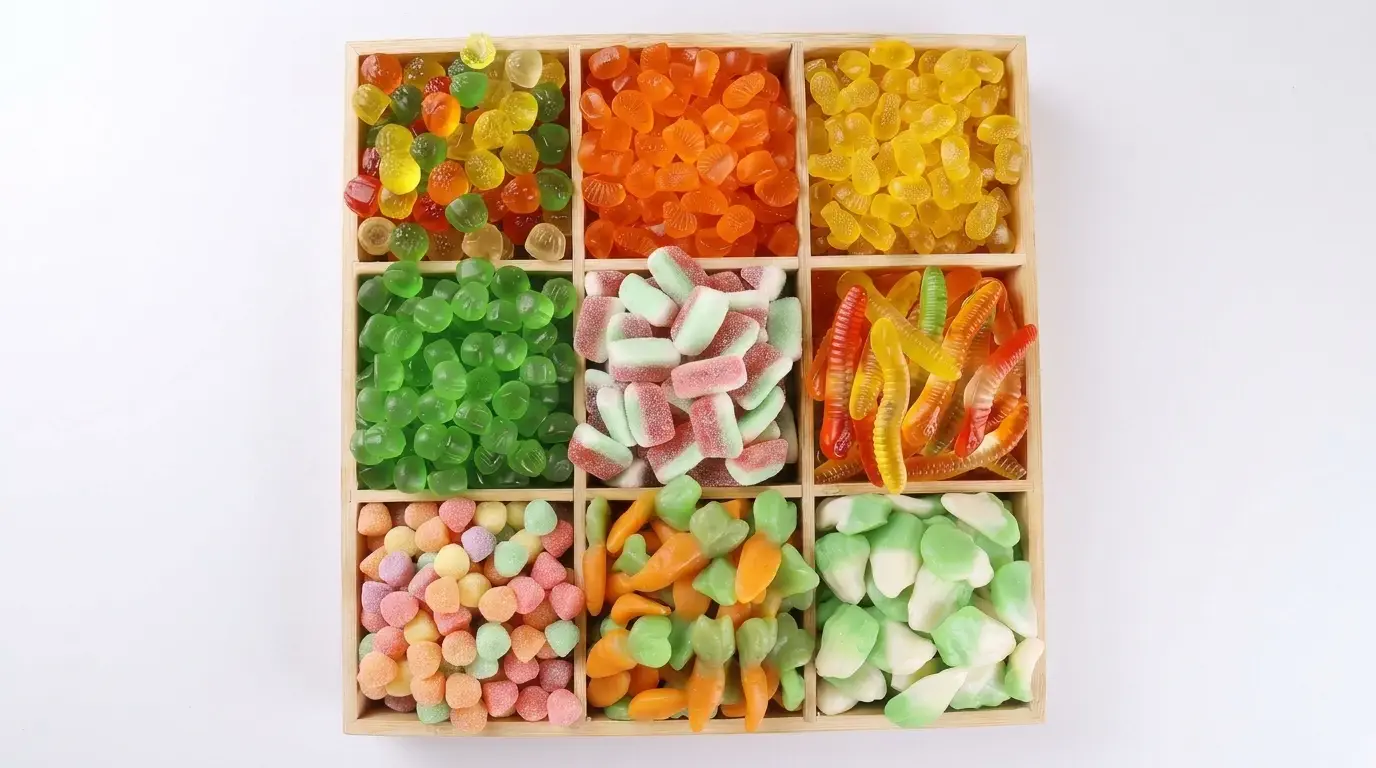
Your first gummy assortment should offer meaningful variety without creating too many similar products.
Choose a Focused Gummy Flavor Selection
Start with flavors that fit your target market and sales channel. Common directions include classic fruit flavors, sour varieties, and more distinctive flavor combinations.
Avoid launching several flavors that serve essentially the same purpose. Instead, give each flavor a clear role in the assortment. A familiar option can provide a straightforward entry point, while a more distinctive flavor can help test customer interest in something different.
Decide Whether Shape Should Be a Core Differentiator
Shape can help distinguish products even when their flavor profiles are similar.
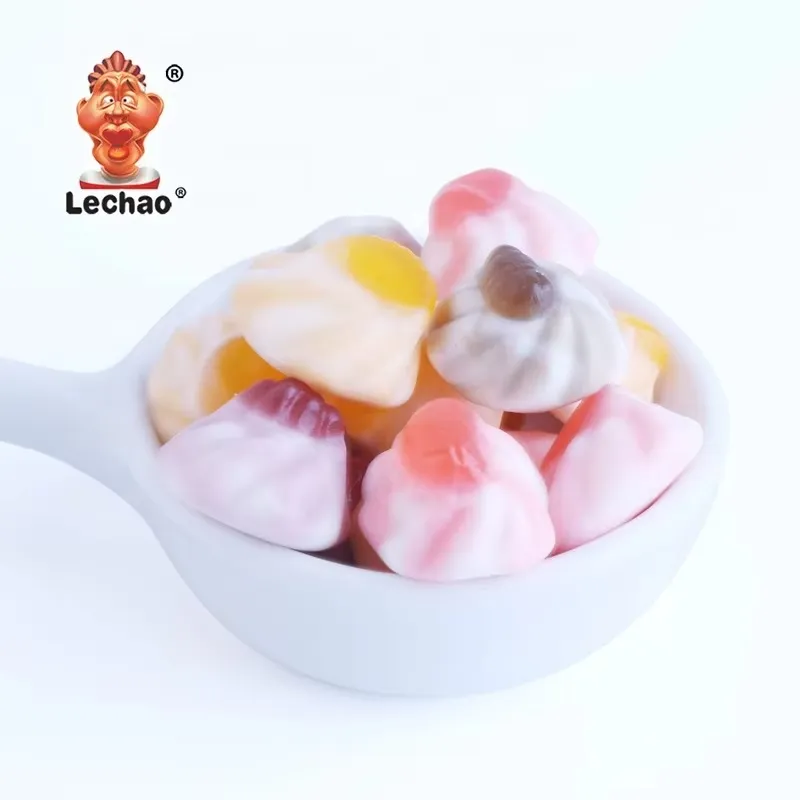
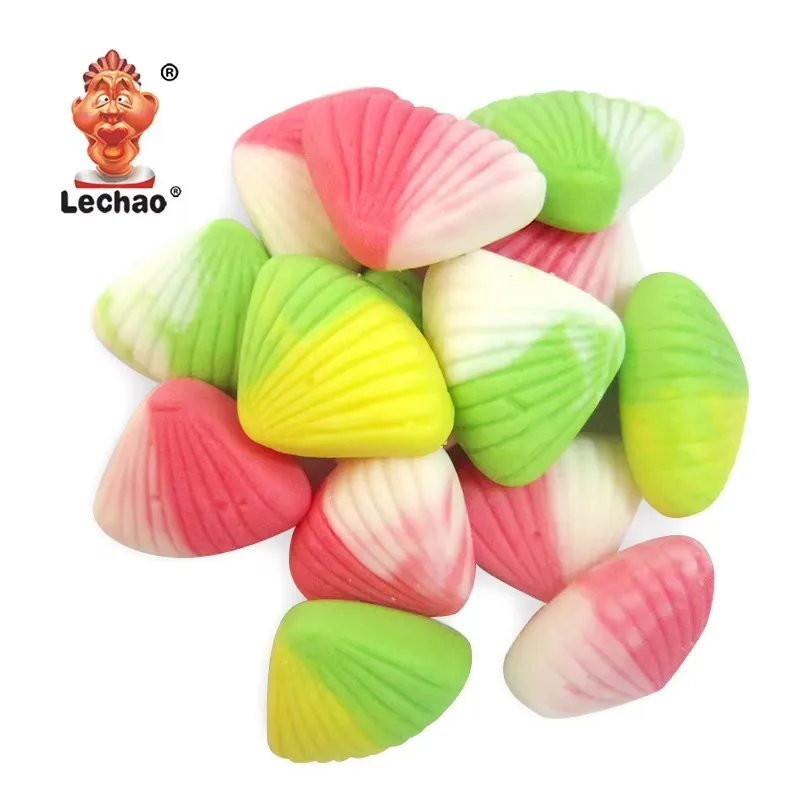
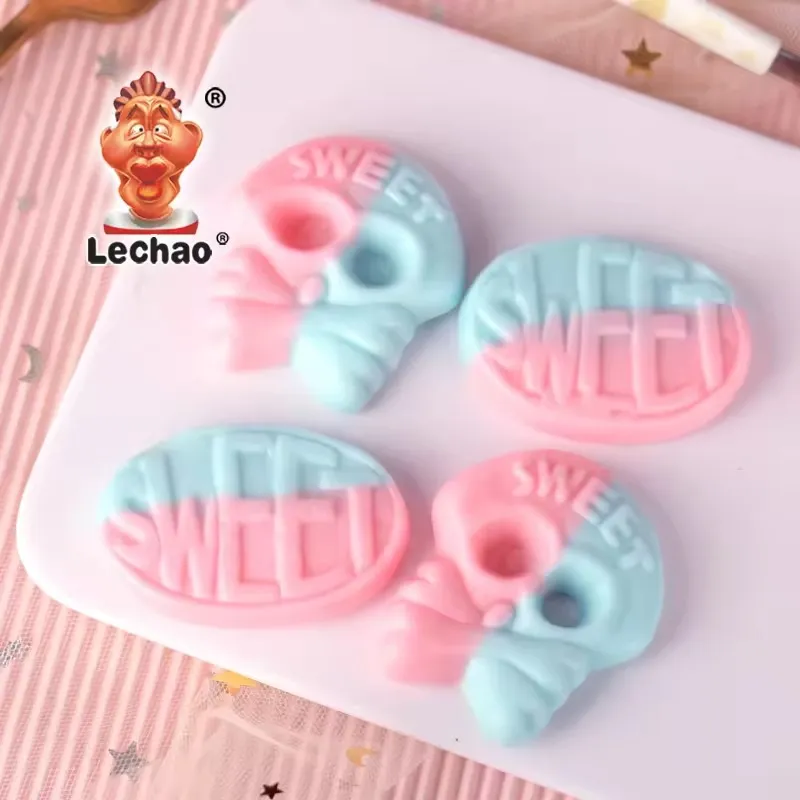
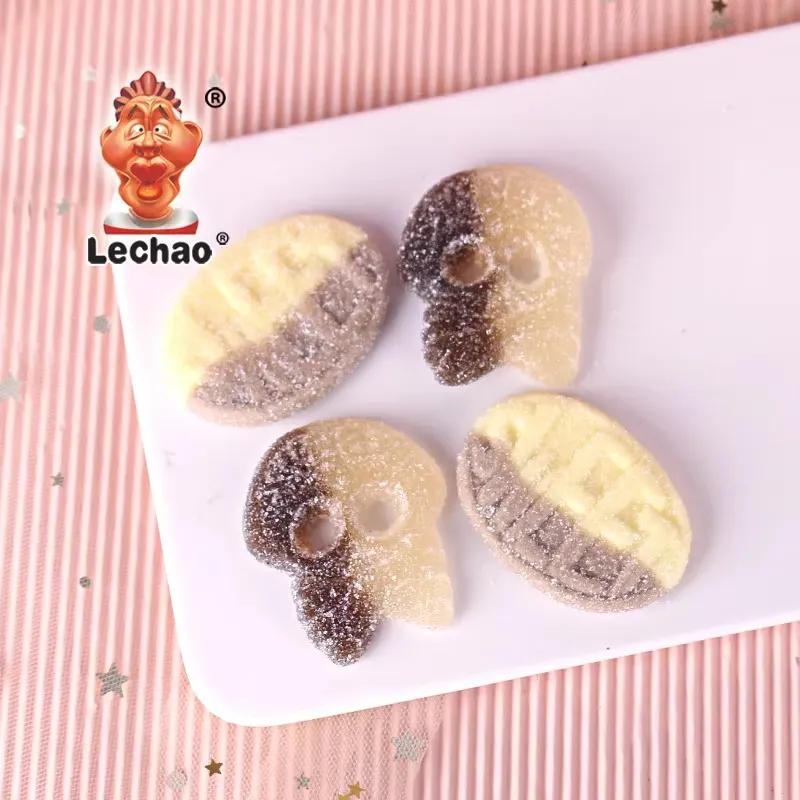
For example, a brand might combine conventional gummy shapes with 3D or 4D designs, filled gummies, or other distinctive formats. These products can create visual and textural variety, but introducing too many different structures in the first launch may complicate product selection and purchasing.
Review our available wholesale gummy candy collection to compare product types and identify options that fit your intended assortment.
Avoid Creating Too Many Similar SKUs
Before adding another flavor or shape, ask whether it serves a different customer preference or sales purpose. If two products are nearly identical, they may divide demand without making the overall range meaningfully stronger.

How Many Packaging Variations Should You Launch?
Packaging should be planned alongside the product range because it can create additional SKUs and purchasing requirements.
Start With a Practical Gummy Candy Packaging Format
Choose packaging based on where the product will be sold. Common formats include stand-up pouches, jars, single-serve packs, bulk packaging, and gift boxes.
A retail brand may prioritize shelf-ready packaging, while a distributor may need bulk formats for repacking or wholesale supply. The first launch should prioritize the formats that match the main sales channel.
Understand How Packaging Creates Additional SKU Complexity
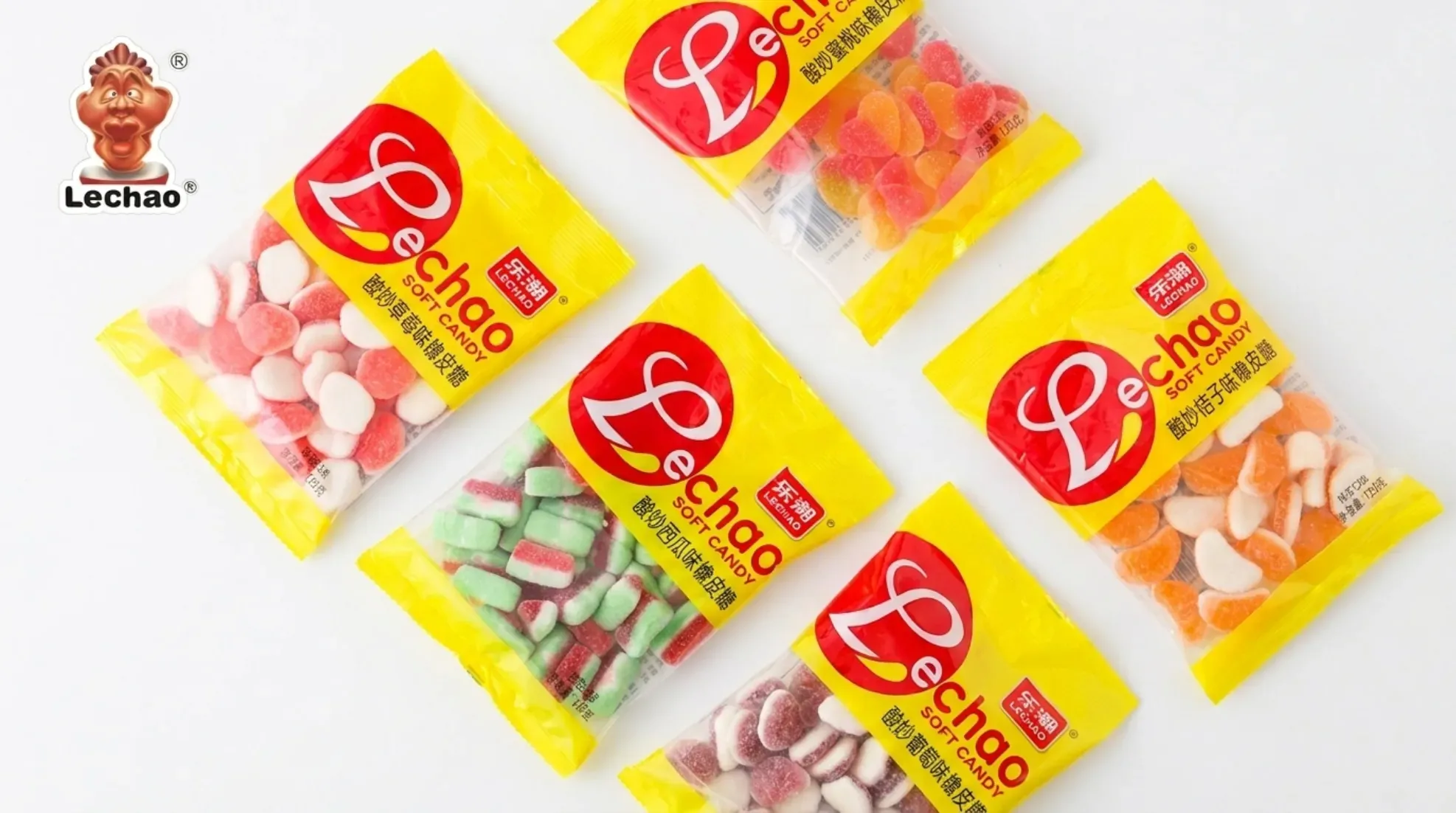
The same gummy product in different package sizes or designs may count as separate sales SKUs. Each variation can also involve different packaging materials, artwork, labeling, and order requirements.
Launching multiple flavors across several package sizes can quickly multiply the number of variations that need to be purchased and managed.
Keep Packaging Flexible During the Test Stage
Where commercially and technically feasible, consider using a more consistent packaging structure across several products, with product-specific labels or other flexible identification methods.
Discuss custom gummy candy options with the manufacturer before finalizing the range. Confirm which packaging formats, artwork arrangements, and order quantities are practical for the specific products.
How to Allocate Your First Order Quantity Across SKUs
The number of SKUs and the quantity purchased for each one should be planned together. Launching six products does not mean each product needs the same order quantity.
Separate Core, Supporting, and Test SKUs
A useful approach is to divide the first assortment into three roles:
| SKU Role | 目的 | Inventory Approach |
|---|---|---|
| Core SKUs | Main products expected to drive initial sales | Give them priority in the purchasing budget |
| Supporting SKUs | Add flavor, shape, or product variety | Allocate quantities according to their expected demand |
| Test SKUs | Explore new or less-proven product concepts | Keep the initial commitment controlled |
This is a planning framework, not a fixed inventory formula. The actual allocation should reflect customer demand, sales-channel requirements, and order constraints.
Allocate Inventory Based on Demand Confidence
Products with confirmed buyer interest or reliable sales references may justify larger initial quantities. New flavors and unusual shapes generally carry more demand uncertainty, so committing heavily to them before testing can increase inventory risk.
Consider expected sales, available budget, storage capacity, and the time required to replenish stock. Do not divide the first order equally simply because every SKU is part of the same launch.
Check MOQ per SKU Before Finalizing the First Order
Before confirming the first order quantity, clarify how the manufacturer calculates MOQ. Relevant conditions may include:
- Minimum quantity for each product.
- Whether different flavors can share an order.
- Separate requirements for customized formulas or shapes.
- Packaging material or printing minimums.
- Carton quantities and packing multiples.
The MOQ per SKU is a production and purchasing constraint, not evidence of market demand. If the minimum quantity for a product is much higher than its realistic sales potential, reconsider that SKU, its packaging, or its place in the first launch.
Can a Mixed SKU Order Help Reduce First-Order Risk?
A mixed SKU order may help a brand introduce several products without treating each one as an entirely separate large order. It can be useful when the buyer wants to test different flavors or gummy categories in the same launch.
However, a mixed order does not automatically remove the MOQ for each product. Production requirements may still apply separately to different formulas, shapes, or packaging formats.
Before planning around a mixed SKU order, confirm:
- Whether MOQ applies per SKU or to the total order.
- Which flavors or product categories can be combined.
- Whether different packaging formats can be included.
- Whether separate production runs are required.
- Whether the combination affects pricing or production scheduling.
LeChao’s supplier information indicates that mixed orders may be available across flavors, categories, or packaging. Applicability should be confirmed for the specific product combination and order.
How to Test Your First Gummy SKUs Before Expanding
The first launch should generate information for the next purchasing decision, not simply put as many products as possible on the market.
Define the Purpose of Each Test SKU
Decide what each test product is intended to validate. It may be a new flavor, a distinctive shape, a different texture, or a packaging format.
Avoid changing too many variables at once. If flavor, shape, and packaging all differ between products, it may be difficult to identify what drives customer preferences.
Track SKU-Level Sales Performance
Monitor performance at the individual SKU level rather than relying only on total sales.
| Metric | What It Reveals |
|---|---|
| Sell-through | How quickly each SKU sells |
| Reorder rate | Whether buyers return for the product |
| Sales by SKU | Which products contribute most to sales |
| Inventory turnover | Whether stock levels match demand |
| Customer feedback | How buyers respond to flavor, texture, shape, and packaging |
Use Test Results to Plan the Second Order
Increase purchasing quantities for products with consistent demand. For products with weaker results, review customer feedback and consider whether a change in flavor, packaging, or positioning is justified.
Products that continue to perform poorly may not need another order. This gradual approach helps the brand expand its assortment based on evidence rather than assumptions.
Final Thoughts: Build a Focused Gummy Assortment First
The right number of gummy SKUs depends on the relationship between product variety, MOQ, packaging requirements, and available inventory budget. A focused first assortment is easier to purchase, manage, and evaluate. Start with products that have clear roles, control the initial quantities, and use sales results to guide the next launch. This creates a more disciplined path to expanding your gummy product line.