DE
 EN
 ZH
 FR
 RU
 ES
 JA
 KO
 AR

Can one candy product be sold in several export markets without changing its formula? Yes, provided the product meets the requirements of every intended destination. However, a shared formula does not necessarily mean identical labels, packaging, or product documentation.
For candy brands, importers, and distributors, developing one candy product for multiple export markets can simplify production and inventory planning. The challenge is identifying which elements can remain consistent and which require local adaptation.
The most practical approach is to establish a common product specification, verify its suitability for each market, and introduce separate versions only where necessary.
What Parts of a Candy Product Can Be Shared Across Markets?
A candy product contains several elements that may be reusable across markets. The key is to distinguish manufacturing consistency from market suitability.
Formula and ingredients. A single formulation may serve multiple destinations when its ingredients, concentrations, and intended uses meet each market’s requirements. This can reduce unnecessary reformulation and simplify material management.
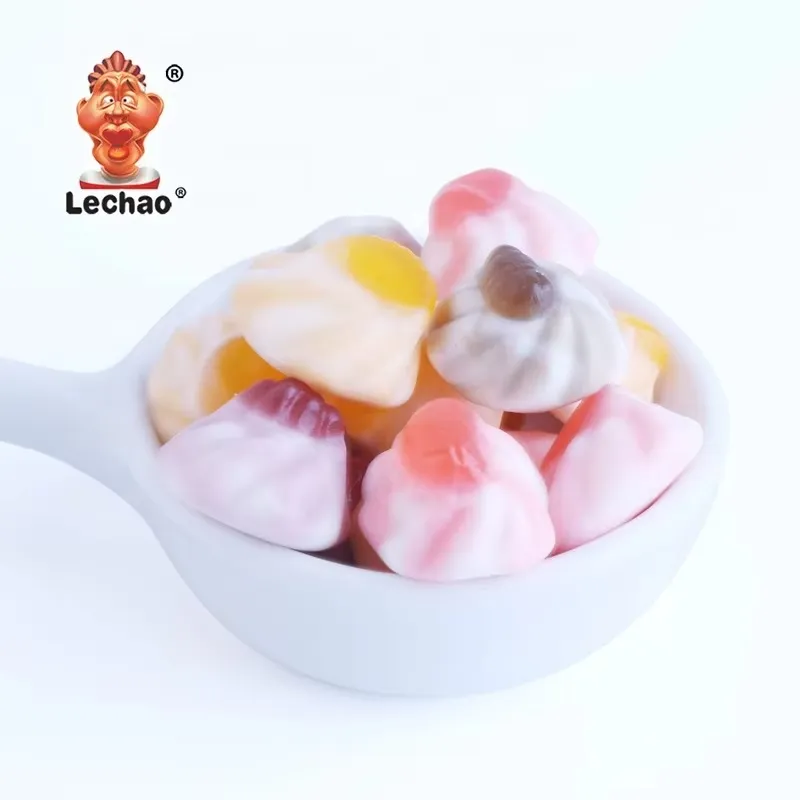
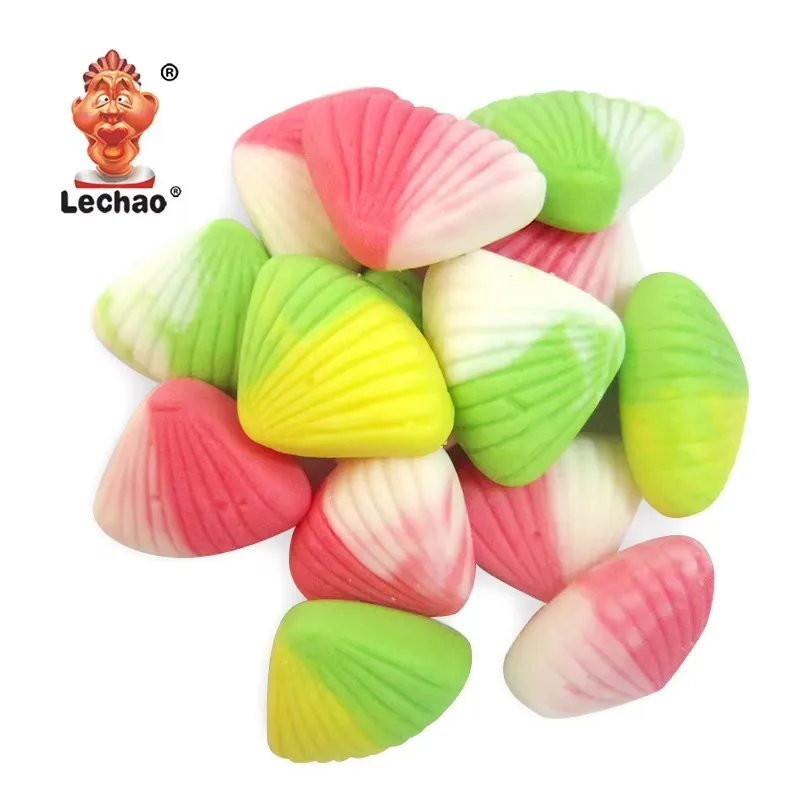
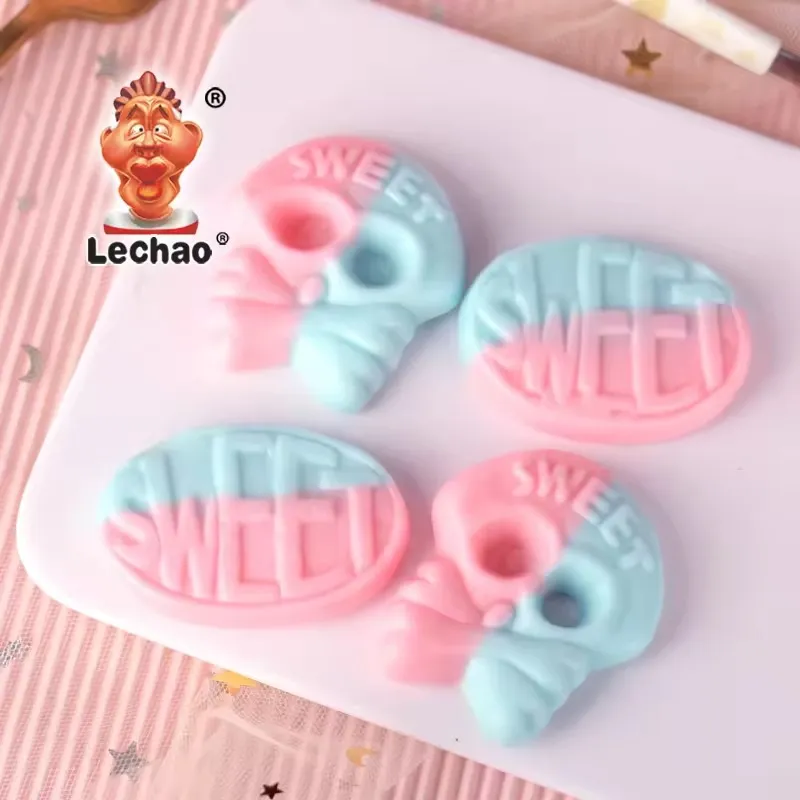
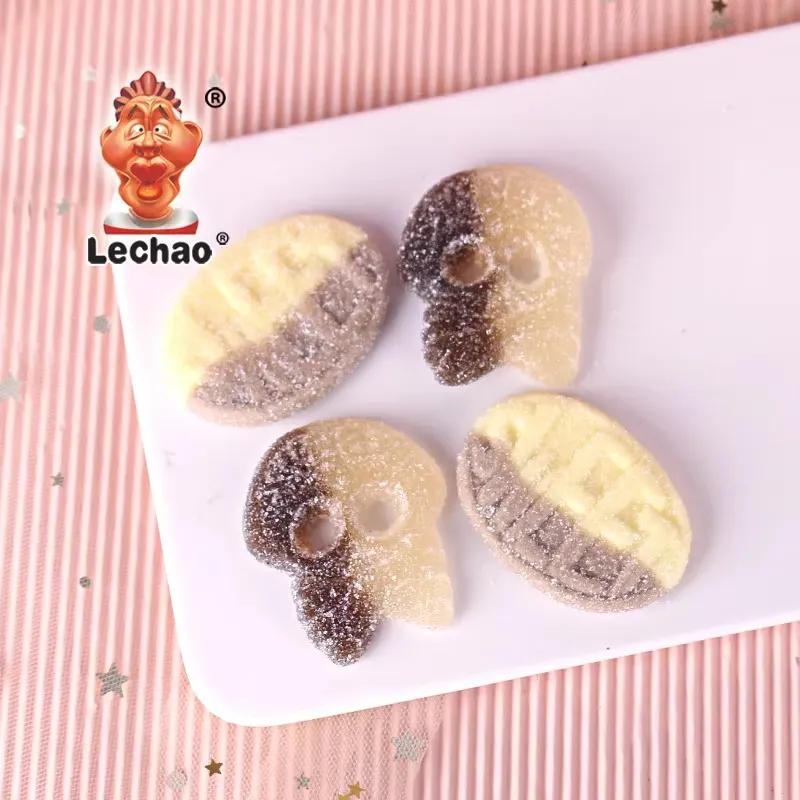
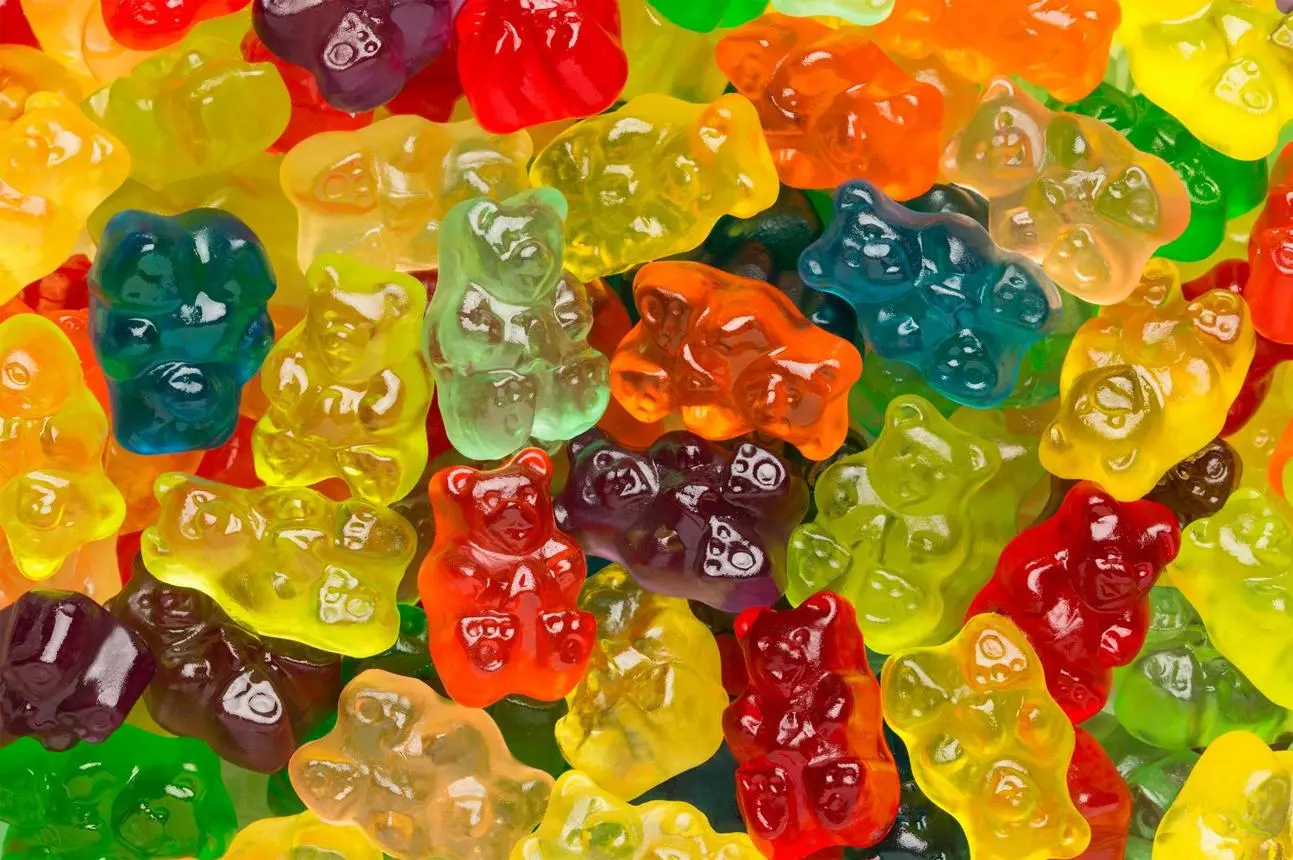
Shape and molds. Candy shape, size, and molding equipment can often remain consistent across product versions. A brand may use the same gummy design while adjusting flavors or packaging for different markets.
Manufacturing processes. Products sharing the same approved specifications may use common production methods and quality controls. However, a shared process does not establish regulatory compliance in every destination.
Packaging structure. The same pouch, jar, or individual wrapping format may be suitable for several markets if it satisfies relevant food-contact, product-protection, and distribution requirements.
Product specifications. A master specification can document common characteristics, including ingredients, dimensions, sensory targets, packaging materials, and quality criteria.
For a candy formulation for export markets, these shared elements provide a starting point—not proof of universal compatibility. Market-specific requirements must still be evaluated before production.
Which Requirements Must Be Checked for Each Export Market?
Even when the candy looks identical, different destinations may impose requirements that affect its composition, presentation, and distribution.
Ingredient and Formula Eligibility
Ingredients should be reviewed against the rules applicable to each intended market.
For example, the European Commission requires food additives to be authorized under specified conditions of use. In the United States, the FDA requires color additives to be approved for their intended uses.
A formula accepted in one destination should therefore not be assumed acceptable elsewhere.
Particular attention may be needed for:
- Food colors, sweeteners, and other additives.
- Gelatin sources and alternative gelling agents.
- Allergens and ingredient-related declarations.
- Halal, Kosher, vegan, or other product claims requiring supporting evidence.
For additional regulatory context, see LeChao’s guide to gummy candy export regulations.
Labeling, Packaging, and Product Claims
The same approved formulation may still require market-specific labeling.
Differences can involve mandatory languages, nutrition declarations, allergen presentation, product descriptions, and permitted marketing claims.
For example, EU rules require mandatory food information to appear in a language easily understood by consumers in the Member State where the food is marketed. Member States may also specify official languages for that information.
Market-specific candy packaging may therefore require separate artwork or label versions even when the underlying product remains unchanged.
LeChao’s article on gummy candy labeling requirements explains the US and EU requirements in greater detail.
Storage, Shelf Life, and Distribution Conditions
Export destinations may also differ in transportation conditions, warehouse environments, and retail distribution methods.
Heat, humidity, and prolonged shipping can affect candy texture, appearance, and packaging performance. The product and its intended packaging should be evaluated against realistic distribution conditions before relying on an established shelf life.
A common formula is useful only when its quality can be maintained throughout the intended supply chain.
| Product element | Potentially shared? | Market-specific consideration |
|---|---|---|
| Base formula | Yes, conditionally | Ingredient permissions and use conditions |
| Shape and molds | Often | Consumer or retailer requirements |
| Manufacturing process | Potentially | Applicable controls and product specifications |
| Packaging structure | Potentially | Protection, food-contact, and distribution requirements |
| Etikettengestaltung | Not automatically | Language, declarations, and claims |
| Product documentation | Core records may be reused | Destination-specific evidence and requirements |
When Should You Keep One Formula, Adapt It, or Develop Separate Versions?
There are three practical approaches to candy product localization. The appropriate choice depends on regulatory compatibility, market demand, and manufacturing feasibility.
1. Keep One Formula Across Markets
This is suitable when a common formulation meets the applicable requirements and commercial expectations of every target market.
The candy’s ingredients, shape, flavor, and production specifications can remain consistent, while necessary labeling or packaging variants are managed separately.
Choose this approach when market differences do not require changes to the candy itself.
2. Adapt a Common Base Formula
A shared base may be appropriate when most product characteristics remain suitable but certain markets require adjustments.
For example, a brand might retain the same gummy shape and basic manufacturing process while changing a flavor, color, or ingredient.
However, formulation changes may affect processing behavior, quality specifications, testing, and labeling. Each modified version needs appropriate verification.
Choose this approach when the shared product concept remains useful but limited changes are necessary.
3. Develop Separate Market Versions
Separate formulations become more appropriate when core requirements cannot be reconciled within a common product.
This may occur when ingredient restrictions conflict, different sensory characteristics are essential, or product requirements necessitate substantial reformulation.
Separate development increases the number of specifications and approvals to manage, but it may be more practical than forcing an unsuitable formula into multiple markets.
Choose this approach when the differences fundamentally affect product composition or performance.

How to Decide Whether Product Localization Is Worth It
Regulatory compatibility determines whether a product can be marketed. Commercial considerations help determine whether the same product should be marketed everywhere.
Consumer fit. A legally acceptable candy may still be poorly suited to local preferences for sweetness, sourness, texture, or flavor. Actual buyer feedback and market testing should guide changes rather than broad assumptions about regional tastes. LeChao explores these differences in its article on regional gummy candy preferences.
Development cost. Reformulation can introduce additional sampling, testing, and approval work. Packaging variants may also require separate artwork, printing arrangements, and inventory management.
Production feasibility. A common formula may simplify material purchasing and production planning. However, multiple packaging configurations or small market-specific orders can still increase operational complexity.
Commercial evidence. A separate version is easier to justify when there is a documented retailer requirement, a clear regulatory constraint, or reliable evidence of different consumer demand.
Consider these hypothetical scenarios:
| Situation | Possible approach | Reason |
|---|---|---|
| Two markets accept the same formula but require different labels | Common formula with separate label versions | No product reformulation is needed |
| A retailer requests a distinct flavor | Adapt the common base | The commercial difference is limited |
| Target markets have incompatible ingredient requirements | Develop separate formulas | A common formula may not be feasible |
The aim is not to minimize the number of formulations at all costs. It is to avoid unnecessary variation while retaining changes that are required or commercially justified.
How to Manage Candy Development Across Multiple Markets
Once the development approach is selected, clear specification and version management become essential.
1. Establish a master product specification. Record the common formula, ingredients, dimensions, sensory characteristics, packaging structure, and quality requirements.
2. Prepare a market requirement matrix. Identify the destination, applicable ingredient restrictions, labeling needs, packaging requirements, and any product claims requiring verification.
3. Define each product variant. Separate formula changes from label-only or packaging-only changes. Assign clear version identifiers so approved specifications cannot be confused.
4. Confirm samples and documentation. Review the relevant formulation, product samples, packaging artwork, test evidence, and approval records before production.
5. Control subsequent changes. If an ingredient, supplier, packaging material, or label changes, determine which markets and approved versions may be affected before implementing the change.
A structured candy product brief can help buyers communicate their target markets and development requirements to a manufacturer.
LeChao offers OEM/ODM candy development involving formulation, flavor, shape, and packaging customization. Buyers planning a multi-market product can use these services to discuss feasible shared specifications and necessary variants.
Conclusion: One Product, Different Market Decisions
One candy product can serve multiple export markets when its formulation, specifications, and packaging meet the relevant requirements. The same product does not automatically need separate formulas for every destination, but identical packaging and labeling should never be assumed suitable.
The practical decision is to share what can be verified, adapt what must change, and develop separately only when necessary.
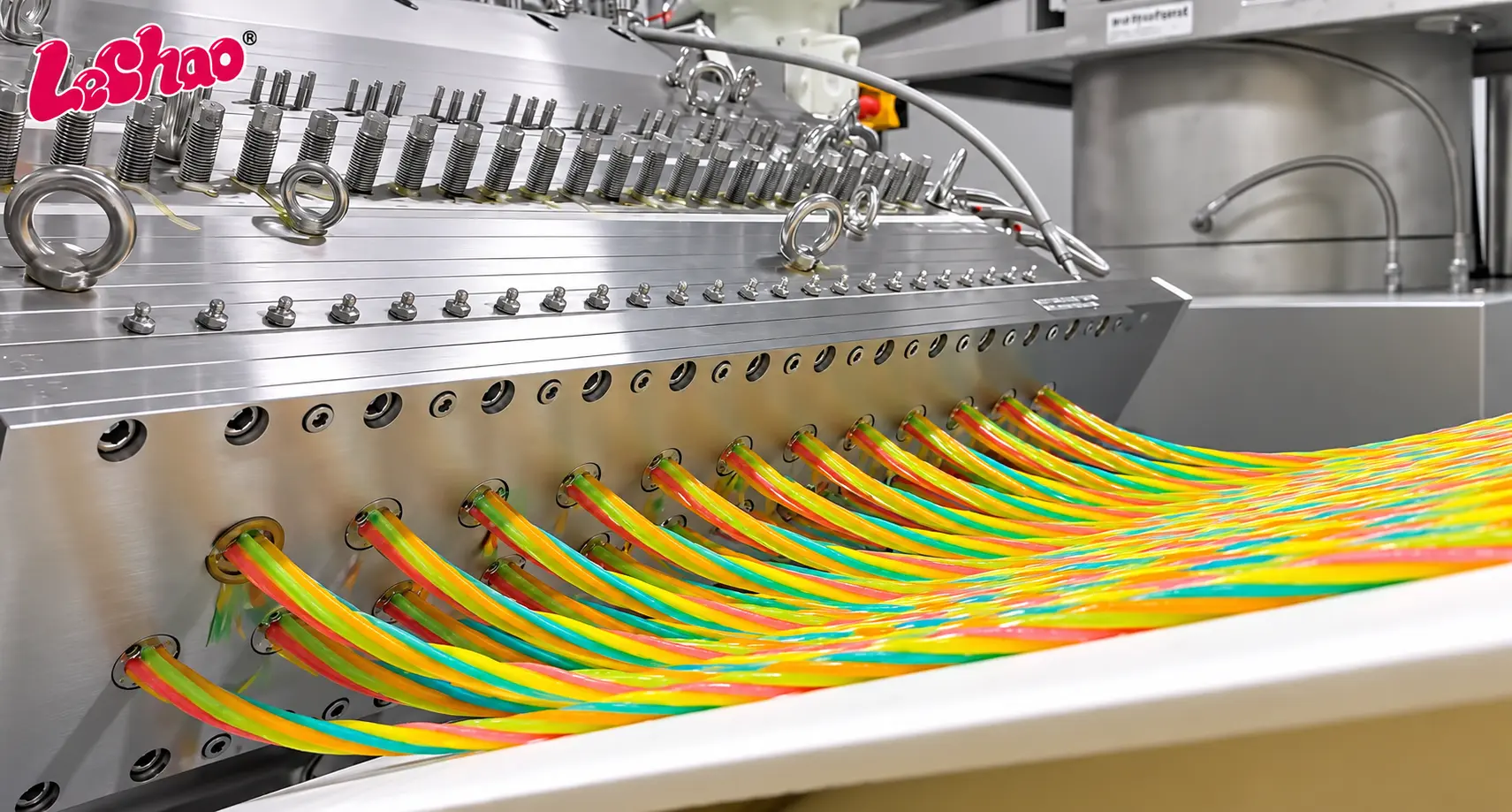
For brands evaluating cross-market production, LeChao’s custom candy manufacturing services provide a starting point for discussing product feasibility. Share your target destinations, desired formula, packaging requirements, and expected order quantities to begin the evaluation.