DE
DE  EN
EN  ZH
ZH  FR
FR  RU
RU  ES
ES  JA
JA  KO
KO  AR
AR 

Mit der kontinuierlichen Expansion des weltweiten Süßwarenverbrauchsmarktes hat sich der internationale Markt Gummibonbonprodukte ist die heißeste Kategorie von Süßigkeiten geworden. Es besteht ein ständig wachsender Bedarf an Export von Gummibonbons von Markeninhabern und Importeuren, seien es Fruchtgummis, saure Gummis oder funktionelle Gummis. Allerdings gibt es in verschiedenen Ländern und Regionen strenge und differenzierte Anforderungen an die Lebensmittelsicherheit, die Zusammensetzung der Zutaten, die Einhaltung der Etikettierungsvorschriften und die Halal-Kriterien.
Für Marken, die auf den Märkten der EU, der USA und des Nahen Ostens Fuß fassen wollen, ist die Einhaltung der entsprechenden Vorschriften ein Muss, um die Qualifikation für den erfolgreichen Abschluss zu erreichen. Export von Gummibonbons. Jeder Fehler bei der Formulierung und Etikettierung kann zu Problemen bei der Zollabfertigung, Produktrückrufen oder sogar zur Schädigung der Marke führen.
LeChao Bonbons ist ein professioneller Hersteller von Süßwaren mit 30 Jahren Erfahrung und umfangreichem Fachwissen im Bereich der Einhaltung von Exportvorschriften für Gummibonbons. Dieser Artikel ist ein umfassender Leitfaden, der sich mit den wichtigsten rechtlichen Fragen für Export von Gummibonbons in den drei Kernmärkten EU, USA und Naher Osten, die es Marken- und Importeuren ermöglichen, die Grenzen auf einfache und konforme Weise zu überschreiten.
EU-Markt: Ein strenges System von Lebensmittelsicherheits- und Kennzeichnungsvorschriften
Die EU ist auch bekannt als eines der strengsten Lebensmittelregulierungssysteme der Welt für Exporte von Gummibonbons. Die EG Nr. 178/2002 legt die Anforderungen an die Lebensmittelsicherheit fest für alle Gummibonbons die in der EU verkauft werden, und es gelten zusätzliche Anforderungen an die Verwendung von Lebensmittelzusatzstoffen und die Kennzeichnung.
Regel für Zusatzstoffe und Inhaltsstoffe
Die EU verfolgt bei Lebensmittelzusatzstoffen einen Ansatz der "Positivliste", und nur bestimmte zugelassene Farbstoffe, Aromen und Süßstoffe dürfen in Gummibonbons verwendet werden. So sind beispielsweise eine Reihe von künstlichen Farbstoffen, die auf anderen Märkten weit verbreitet sind, in der EU entweder verboten oder eingeschränkt. Die Rezeptur muss vor dem Export authentifiziert werden, um zu bestätigen, dass jeder einzelne Inhaltsstoff den EU-Vorschriften entspricht.
Etikettierung und Sprachkonformität
Alle Exporte von Gummibonbons in die EU eingeführt werden, müssen gemäß der Verordnung (EU) Nr. 1169/2011 etikettiert sein und eine Zutatenliste, Allergenwarnungen, eine Nährwerttabelle und Angaben zur Haltbarkeit enthalten. Die Etiketten müssen in der Regel in der jeweiligen Landessprache verfasst sein, z. B. in Deutsch, Französisch oder Spanisch.
Praktische Ratschläge
- Führen Sie im Voraus Überprüfungen der Einhaltung von Formeln durch, um Nacharbeit zu vermeiden.
- Nutzen Sie Prüfberichte Dritter, um die Effizienz der Zollabfertigung zu verbessern.
- Entscheiden Sie sich für eine Zusammenarbeit mit Hersteller von Gummibonbons mit den EU-Vorschriften vertraut sind.

US-Markt: Die wichtigsten Punkte für die Ausfuhr von Gummibonbons nach der FDA-Verordnung
Die Vereinigten Staaten sind ein führendes Land für den Konsum von Süßwaren und ein wichtiger Zielmarkt für den Export von Gummibonbons. Die FDA (Food and Drug Administration) ist die wichtigste Regulierungsbehörde, die den US-Markt regelt.
FDA-Registrierung und Einhaltung der Vorschriften für Inhaltsstoffe
Alle Betriebe, die Gummibonbons für den Export in die Vereinigten Staaten herstellen, müssen ihre Anlage bei der FDA registrieren lassen. Die in der Formulierung verwendeten Zutaten sind FDA GRAS.
Standards für Nährwertkennzeichnung und -angaben
In den USA gibt es sehr gut etablierte Regeln für die Gestaltung von Nährwertkennzeichnungen. Energie, Zuckergehalt und Kohlenhydrate sind nur einige der Informationen, die auf den Etiketten von Gummibonbons angegeben werden müssen. Wenn funktionelle Angaben wie "zuckerfrei" oder "zuckerarm" gemacht werden, müssen die entsprechenden Nachweise vorgelegt werden; andernfalls wird dies als falsche Werbung betrachtet.
Zollabfertigung und Risikokontrolle
Die FDA ist berechtigt, bei der Ankunft von Gummibonbon-Exporten in den USA stichprobenartige Kontrollen durchzuführen. "Meine Produkte wurden wegen Unstimmigkeiten bei der Etikettierung und den Inhaltsstoffen zurückgehalten! Die Dokumente wurden zurückgewiesen, und die Produkte wurden beschlagnahmt. Daher sind die Vorbereitung der Dokumente vor der Ausfuhr und die Prüfung der Proben besonders wichtig.
Markt im Nahen Osten: Halal-Zertifizierung ist ein Haupthindernis
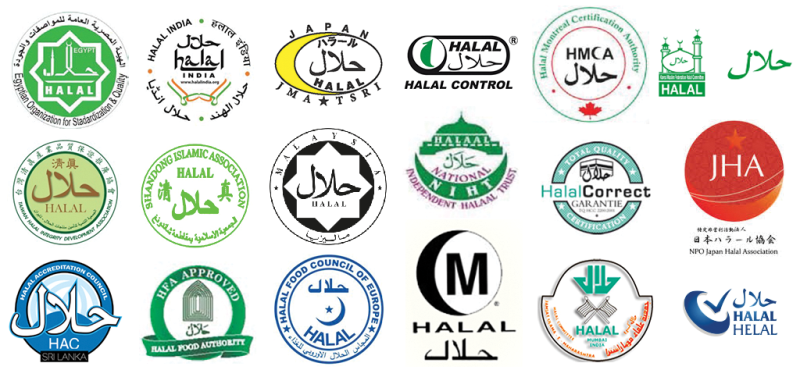
Der Markt für Gummibonbon im Nahen Osten expandiert schnell, aber es gibt dort andere rechtliche Aspekte, die sich weitgehend von denen in Europa und den Vereinigten Staaten unterscheiden. Die Halal-Zertifizierung ist eine Grundvoraussetzung für den Zugang zu diesem Markt für Exporte von Gummibonbons.
Anforderungen an Halal-Rohstoffe
Herkömmliche Gummibonbons verwenden Gelatine als Geliermittel, aber auf dem Markt des Nahen Ostens muss die verwendete Gelatine halal sein (Rindergelatine) oder durch pflanzliche Stoffe ersetzt werden. Alle Produkte, die nicht-halale Elemente enthalten, werden disqualifiziert.
Etikettierung und Importdokumentation
Die Länder des Nahen Ostens verlangen in der Regel eine arabische Kennzeichnung, auf der das Halal-Symbol, das Herkunftsland und das Produktionsdatum deutlich angegeben sind. Einige Länder verlangen auch zusätzliche Gesundheitsbescheinigungen oder Ursprungszeugnisse. ### Empfehlungen für die Marktstrategie
- Berücksichtigung der Halal-Konformität in der Formulierungsphase
- Partner mit Gummibonbons Fabriken mit Erfahrung in der Halal-Produktion
- Bestätigen Sie im Voraus die spezifischen Einfuhrrichtlinien der Zielländer
Techniken zur Einhaltung der Ausfuhrbestimmungen für Gummibonbons auf verschiedenen Märkten
Auch wenn die Vorschriften von Land zu Land unterschiedlich sind, können einige allgemeine Grundsätze die Risiken während der Export von Gummibonbons.
Einführung eines standardisierten Dokumentationssystems
Dazu gehören Rezeptblätter, Prüfberichte, Dokumente zur Rückverfolgbarkeit von Zutaten und Aufzeichnungen über Produktionschargen. Diese Dokumente sind für die Zollabfertigung und Kundenaudits von entscheidender Bedeutung.
Markttests im Voraus durchführen
Vor groß angelegten Export von GummibonbonsWir führen Probebestellungen in kleinen Mengen durch, um zu prüfen, ob Etiketten, Geschmacksrichtungen und Verpackungen den lokalen Marktvorlieben entsprechen.
Wählen Sie erfahrene Hersteller
Hersteller von Gummibonbons mit Erfahrung im internationalen Export können bei der Auslegung von Vorschriften, der Vorbereitung von Dokumenten und der logistischen Koordination Unterstützung aus einer Hand bieten.

Schlussfolgerung: Compliance ist die Grundlage für erfolgreiche Gummibonbon-Exporte
Ob in der EU, den USA oder im Nahen Osten, das Wesen der Export von Gummibonbons ist die "Einhaltung". Die Vorschriften entscheiden nicht nur darüber, ob die Produkte problemlos durch den Zoll kommen, sondern beeinflussen auch die langfristige Entwicklung der Marke auf dem Auslandsmarkt.
Ein solides Verständnis der Anforderungen an Inhaltsstoffe, Etikettierung und Zertifizierung für Gummibonbon in verschiedenen Teilen der Welt ermöglicht es den Marken, viele Probleme im Produktentwicklungsprozess zu vermeiden. Gleichzeitig macht die Wahl eines Partners, der Erfahrung im Umgang mit internationalen Vorschriften hat, den Exportprozess effizienter und weniger kostspielig.
Angesichts des sich verschärfenden Wettbewerbs auf dem weltweiten Süßwarenmarkt ist die Einhaltung der Vorschriften nicht nur eine "Schwelle", sondern ein entscheidender Erfolgsfaktor für die Export von Gummibonbons.
Verwandte Produkte
Über LeChao Candy
Gegründet im Jahr 1991, LeChao Bonbons ist ein erfahrener Süßwarenhersteller mit Fachleuten für die Entwicklung und Produktion von GummibonbonsLakritzbonbons, Gummibärchen, Marshmallows und Schokoladenkonfekt. Wir bieten mehr als 500 fertige Bonbonformen und maßgeschneiderte Rezepte, Formen und Verpackungen, die es Ihnen ermöglichen, Ihr Geschäft effizient und zuverlässige Lösungen für den weltweiten Export von Gummibonbons. LeChao Candy hat es sich zur Aufgabe gemacht, seine Kunden beim Aufbau und Wachstum ihrer internationalen Süßwarenmarken erfolgreich zu unterstützen - von der Beratung über die Regulierung und Qualitätssicherung bis hin zur weltweiten Verpackung und dem Versand.

FAQ
Q1: Sind für den Export von Gummibonbons in die EU immer Prüfungen durch Dritte erforderlich?
Auch wenn die Vorschriften nicht für alle Produkte eine Prüfung vorschreiben, können Prüfberichte von Dritten die Effizienz der EU-Zollabfertigung erheblich verbessern und das Risiko von Zufallskontrollen verringern.
F2: Gibt es irgendwelche Beschränkungen für den Zuckergehalt von Gummibonbons auf dem US-Markt?
In den USA gibt es keine direkten Beschränkungen für den Zuckergehalt, aber es gibt strenge Vorschriften für die Nährwertkennzeichnung und gesundheitsbezogene Angaben, die eine wahrheitsgemäße und genaue Kennzeichnung vorschreiben.
F3: Können Gummibonbon-Rezepte auf pflanzlicher Basis auf dem Markt im Nahen Osten verwendet werden?
Ja. Rezepte auf pflanzlicher Basis sind auf dem Halal-Markt sehr beliebt und sind eine gängige Lösung für Gummibonbon-Export in den Nahen Osten.