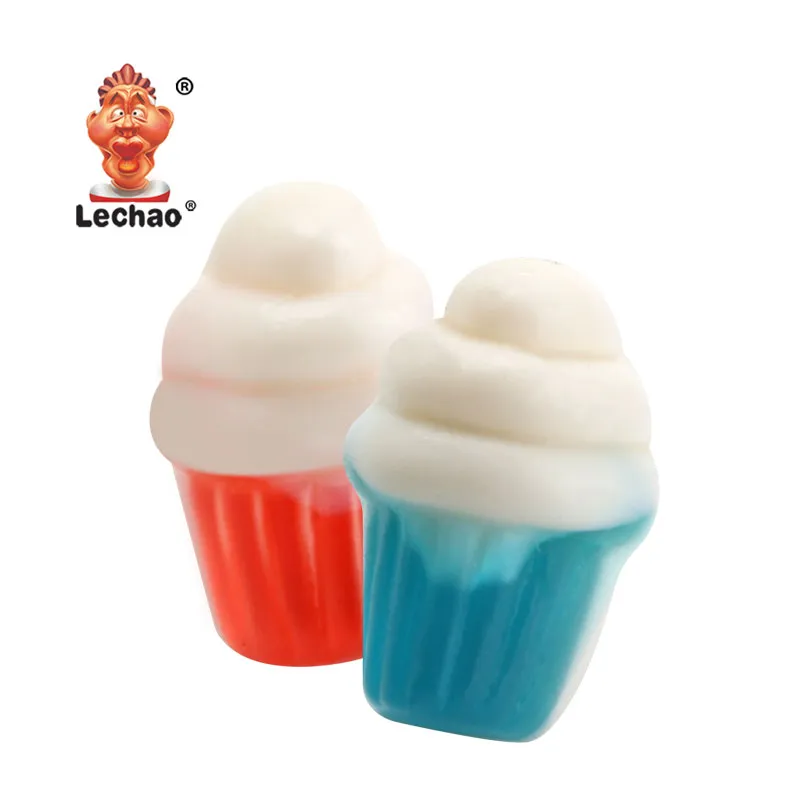
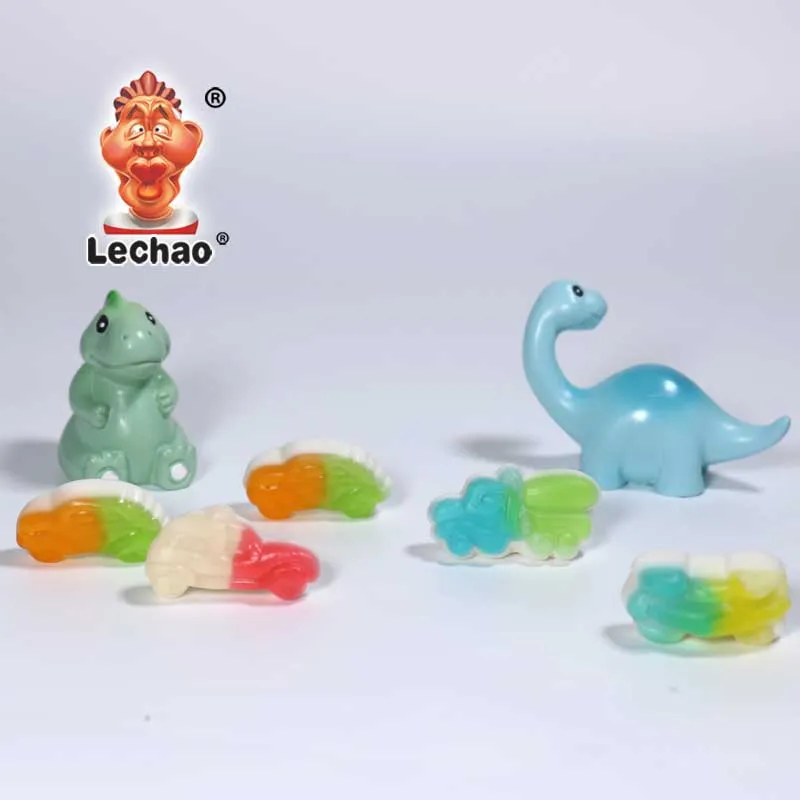
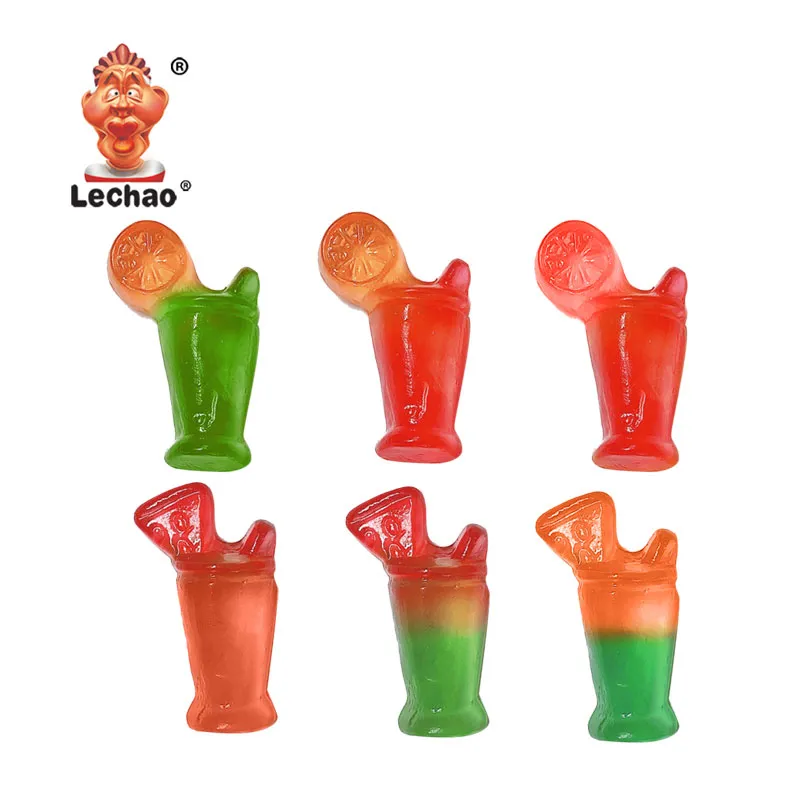
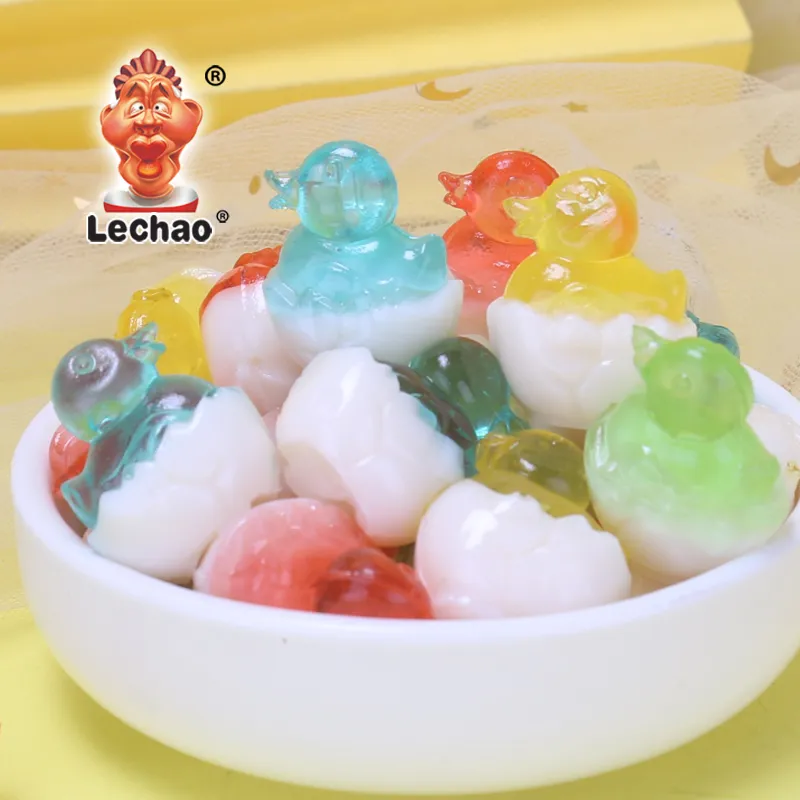
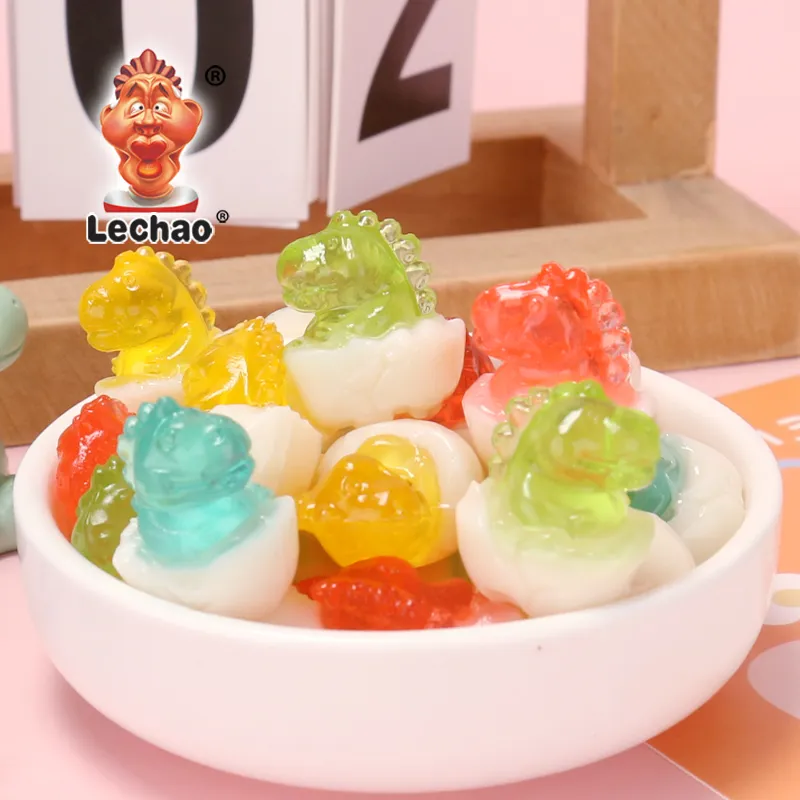
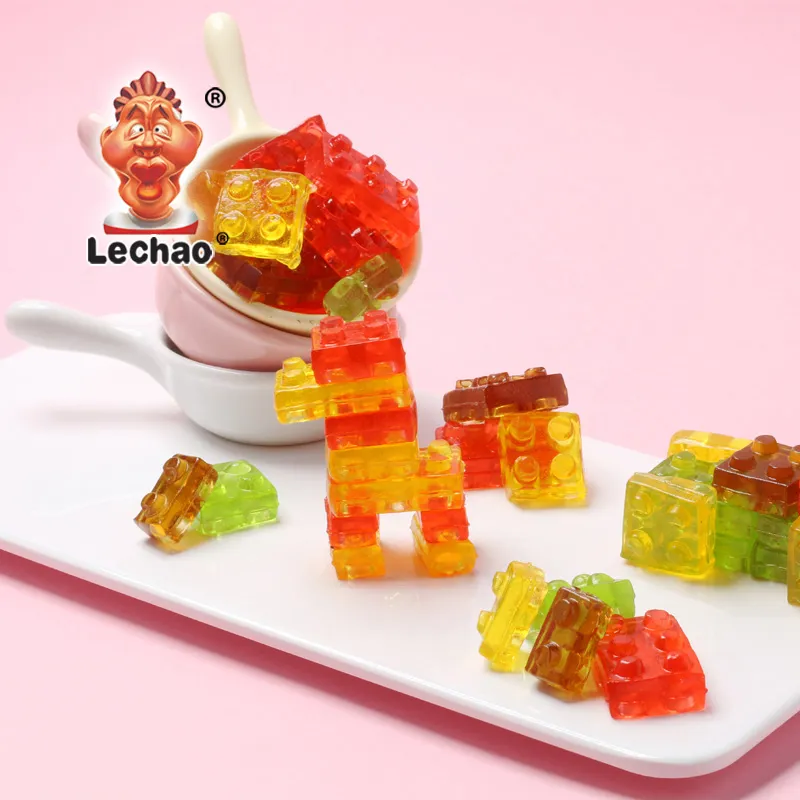
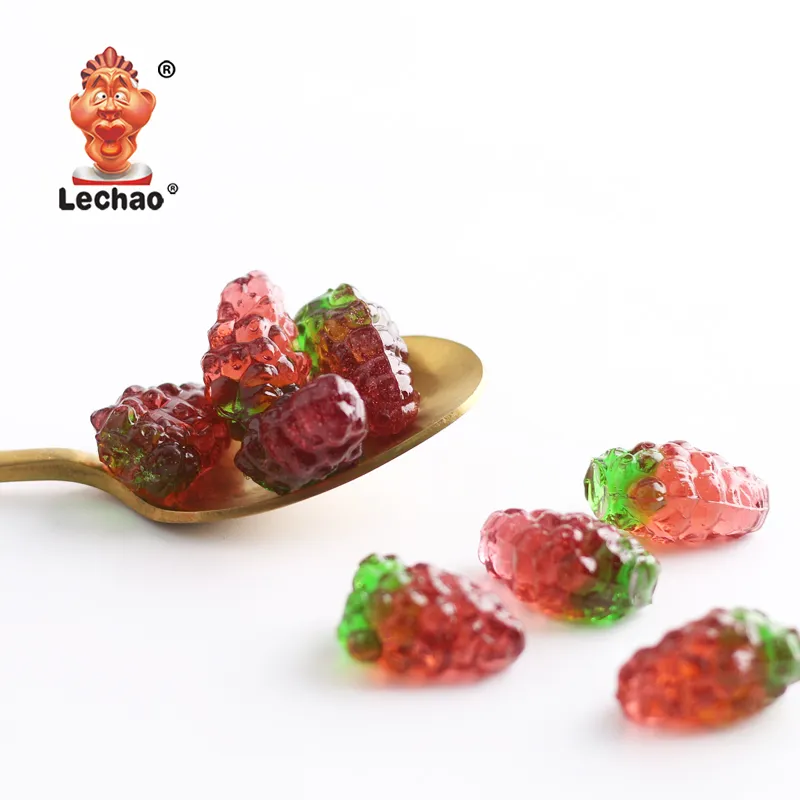
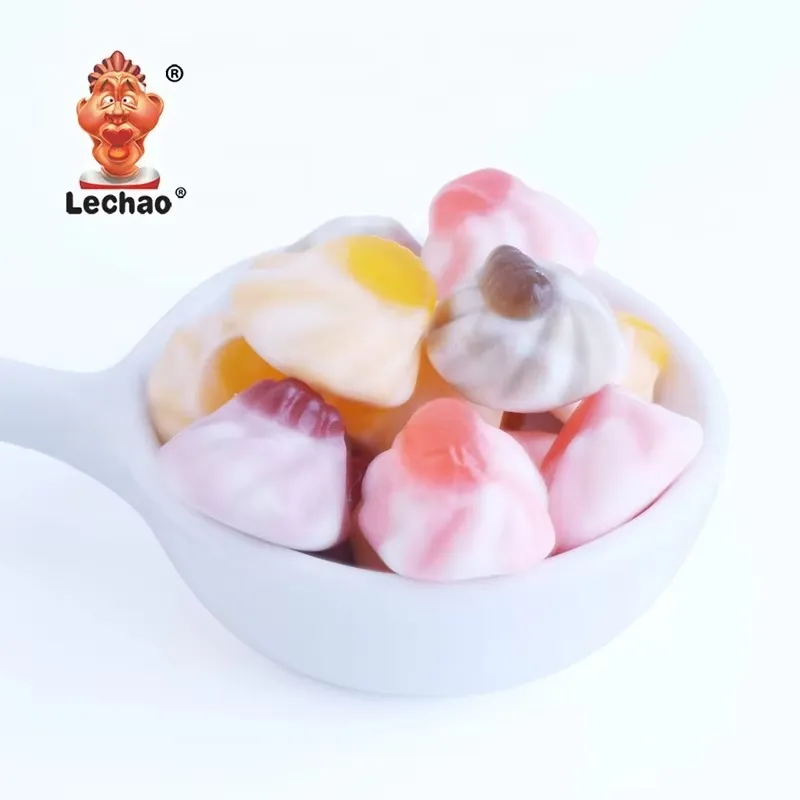
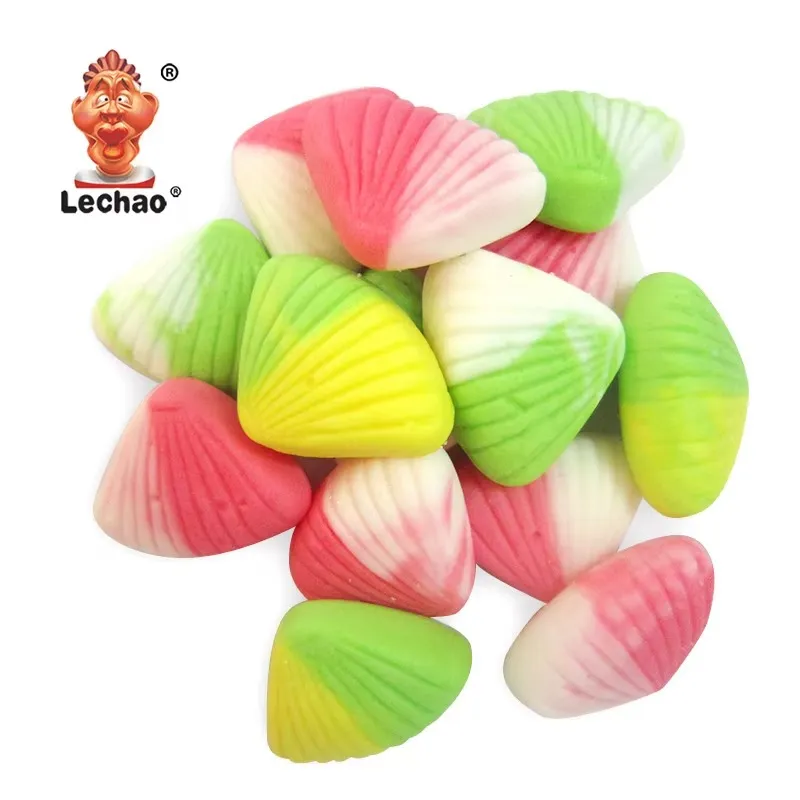
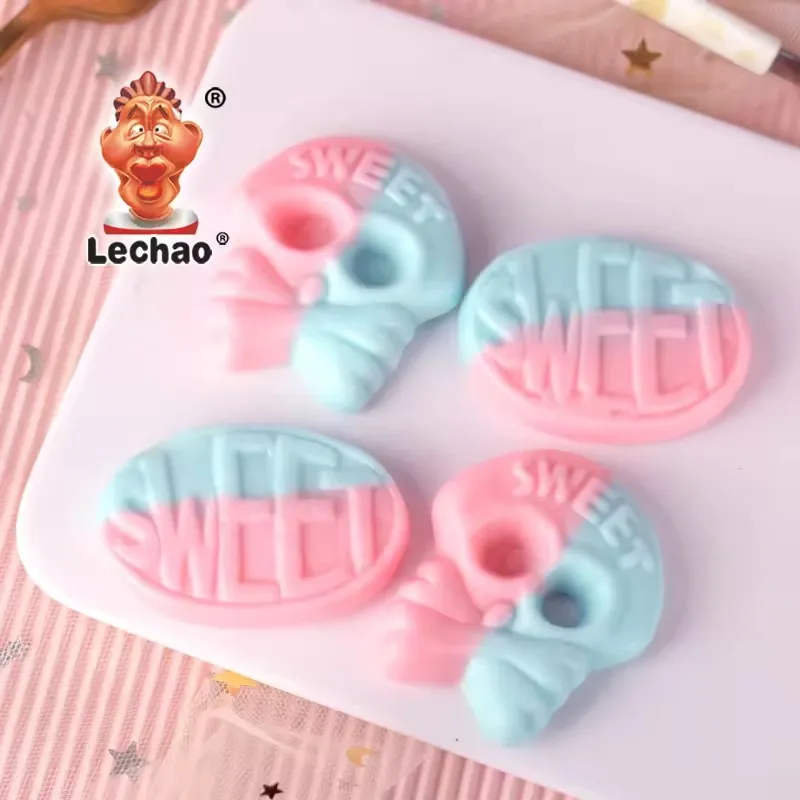
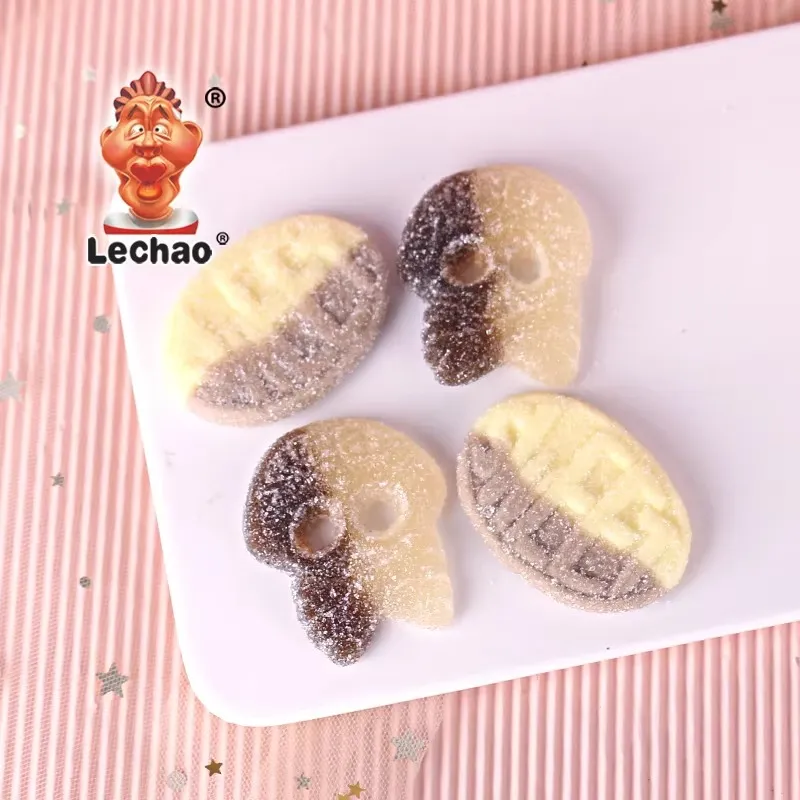
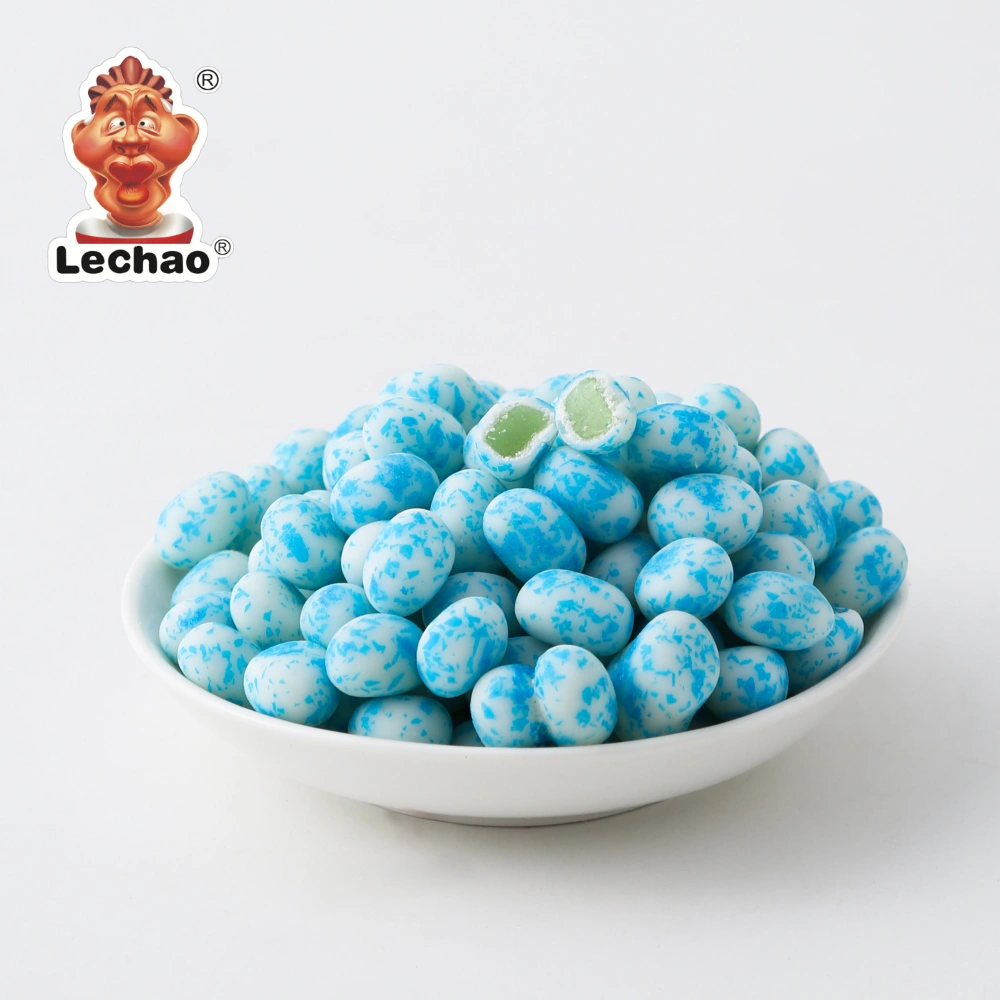
In an increasingly competitive global confectionery market, the need to establish a clear brand image is intensifying. From limited edition holiday treats to IP collabs and branded merch, カスタム・シェイプ・グミ can catch shoppers’ eyes on the shelf and bring awareness to your brand. The unique shape of カスタム・シェイプ・グミ has wide options for customization and flavor varieties, and also, there is a huge market potential for customized gummy shapes and flavors, so in the future, many brands will differentiate themselves through customizing gummy shape products.
For new brand holders, “How to make custom shaped gummies?” Formulation design, color control, texture, manufacturing process, food security standards, and molds are not the heart of custom gummies, but also.
So, here you are, a comprehensive guide on how to make custom shape gummies from a professional manufacturer. If you are a retailer looking to develop a private-label candy brand or a food company interested in creating new gummies, this guide is intended to help you get up to speed on the key steps and typical process issues and answers.
Define Product Requirements: The Starting Point for Custom Shaped Gummies
To create successful カスタム・シェイプ・グミ, the first step is to define your product requirements. Custom gummies are not just about changing the shape; they involve many aspects such as formula, flavor, texture, color, weight, and packaging.
Define Shape Requirements
Shaping is the starting point for the entire project. Typically, you need to determine:
- Shaping Style: Cartoon shapes, animals, fruits, festive patterns, brand logos, etc.
- Expected Size: Gummies are generally 15–45mm in size; larger sizes require higher texture standards.
- Depth: 3D molds offer more depth but are more expensive and suitable for high-end confectionery brands.
For example: Popular animal-shaped gummies on the market are typically 25–30mm in size, combining cuteness and a chewy texture; if you want to launch brand logo gummies, you need to consider whether the logo’s lines are suitable for mold translation.


Define Flavor and Texture Requirements
When deciding on the flavor, you need to answer the following questions:
- Classic fruit flavor, or a unique flavor?
- Chewy, soft, or American-style hard gummy candy?
- Is a sugar-free, gelatin-free, or vegan formula required (these demands are growing rapidly)?
The most popular gummy candy flavors globally were:
- Strawberry
- Blueberry
- Watermelon
- Cola
- Tropical Fruit (Mango/Passion Fruit)

Target Markets and Regulations
If the product is to be exported to the EU, the US, South America, the Middle East, etc., it needs to meet different food regulations. For example:
- The EU prohibits certain artificial colors
- The US FDA has strict requirements on the source of gelatin
- Some countries have requirements for halal/Halal and vegan certifications
Before custom shaped gummies, defining requirements helps manufacturers quickly assess whether existing molds and formulas can be used, or whether new molds and customized formulas are needed.
Mold Development: The Core Element of Custom Shaped Gummies Production
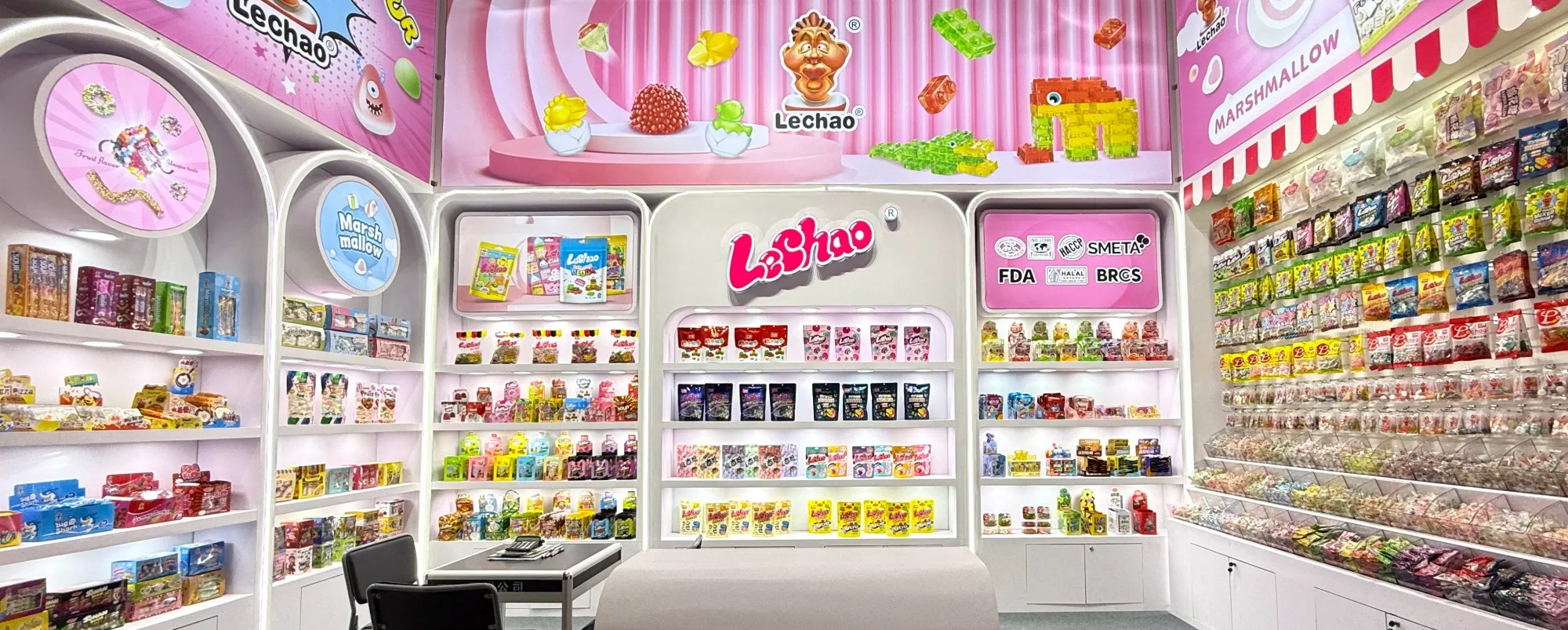
Molds are the most crucial part of カスタム・シェイプ・グミ development, determining the product’s visual appeal and three-dimensionality. Professional manufacturers typically have hundreds to thousands of stock molds, while LeChao Candy boasts over 500+ commonly used molds, covering shapes such as fruits, animals, festivals, and logos, significantly reducing development costs.
Choosing Stock Molds vs. Developing New Molds
- Using Stock Molds (Free or Low-Cost)
Suitable for entry-level brands and retailers with limited budgets, accelerating time-to-market.
- Developing Exclusive Molds (Deep Brand Customization)
Typically suitable for branded merchandise, IP collaborations, and limited-edition festival items.
Development Cycle: 10–15 days
Cost: Depends on design complexity (generally USD 200–600)
Mold Material and Process
Professional gummy candy molds typically use:
- Food-grade silicone: Suitable for small-batch trial production
- Metal molds (for large-scale production): High temperature resistant, suitable for automated casting
Mold Design Considerations
- Lines should not be too thin: To avoid gummy candy deformation upon demolding
- Moderate depth: To ensure both three-dimensionality and solidification speed
- Avoid sharp structures: Easily breakable
- Enlarge logos or letters: To ensure readability
Example: Star-shaped gummies launched by a celebrity IP crossover brand, by deepening the arc of the star corners, make the shape more rounded and less prone to breakage, improving the final product’s finish.

Formula Development: The Key to Flavor, Texture, and Quality
The formula is the soul of カスタム・シェイプ・グミ, determining their elasticity, transparency, chewiness, flavor, and shelf life. Different markets have different preferences; for example, consumers in Europe and America prefer harder, more elastic gummies, while the Asian market generally prefers a softer and chewier texture.
3.1 Four Basic Ingredients
Colloids (Gelatin, Pectin, Carrageenan)
- Gelatin gummies are more elastic.
- Pectin gummies have a more fruity flavor, suitable for vegetarians.
- Carrageenan gummies are softer, suitable for children’s gummies.
Sweeteners (Sugar, Glucose Syrup, Low-Sugar Formula)
Acidifiers (Citric Acid, Malic Acid)
Natural/Artificial Flavors and Colors

Formula Control Techniques
- Transparency Adjustment: The ratio of colloids + syrup affects transparency.
- Elasticity Adjustment: Increasing the gelatin ratio improves the chewy texture.
- Sweet and Sour Balance: The amount of acidifier added should be controlled between 0.3% and 1.2%.
Special Formula Examples
- Vitamin Gummies (Supplement Type): Heating temperature needs to be controlled to avoid vitamin inactivation.
- Gelatin-Free Vegan Gummies: Use pectin and enhance the setting system. – Functional Gummies: Contains collagen, prebiotics, and other ingredients.
Successful formulas typically undergo at least 3–5 optimization tests during the R&D phase to ensure the gummies remain stable under varying temperature and humidity levels.
Production Process: A Complete Process from Syrup to Finished Product
The production process for custom-shaped gummies mainly includes: cooking, high-temperature mixing, pouring, mold cooling, demolding, oiling, drying, and packaging. Each step is interconnected, and each affects the quality of the finished product.
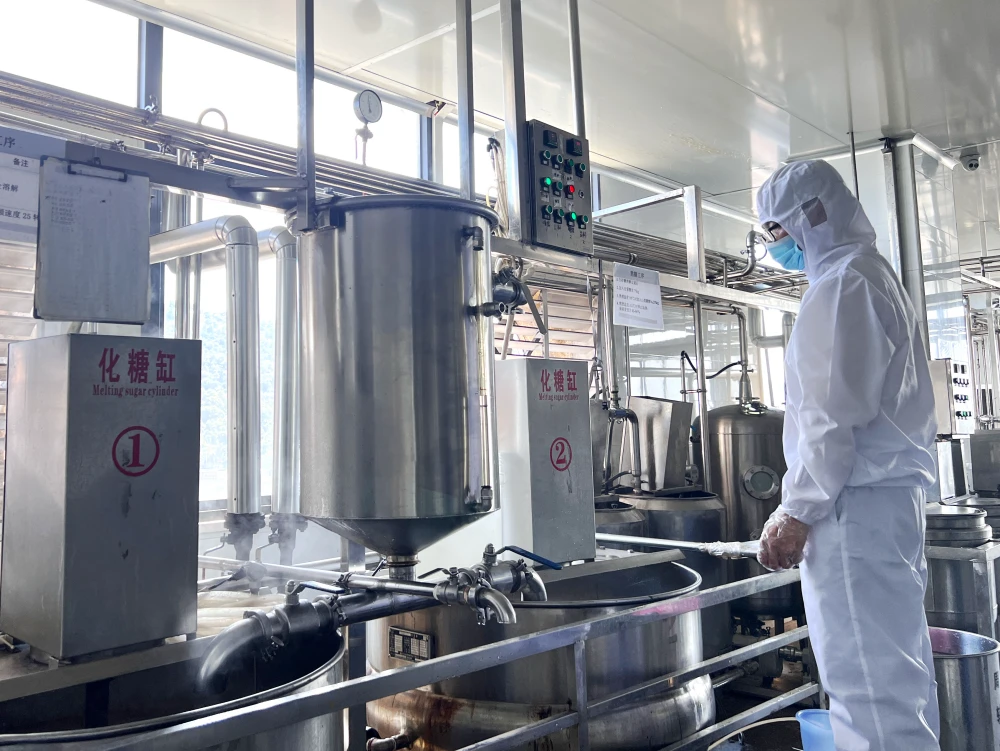
Syrup Cooking
- Temperature needs to be stable at 125–135°C.
- Moisture content must be controlled to ensure the gummies’ texture.
- Automated cooking equipment ensures batch consistency.

Adding Acid and Flavor
Flavors and acids are usually added during the cooling stage to avoid flavor loss due to high temperatures.
Pouring and Setting
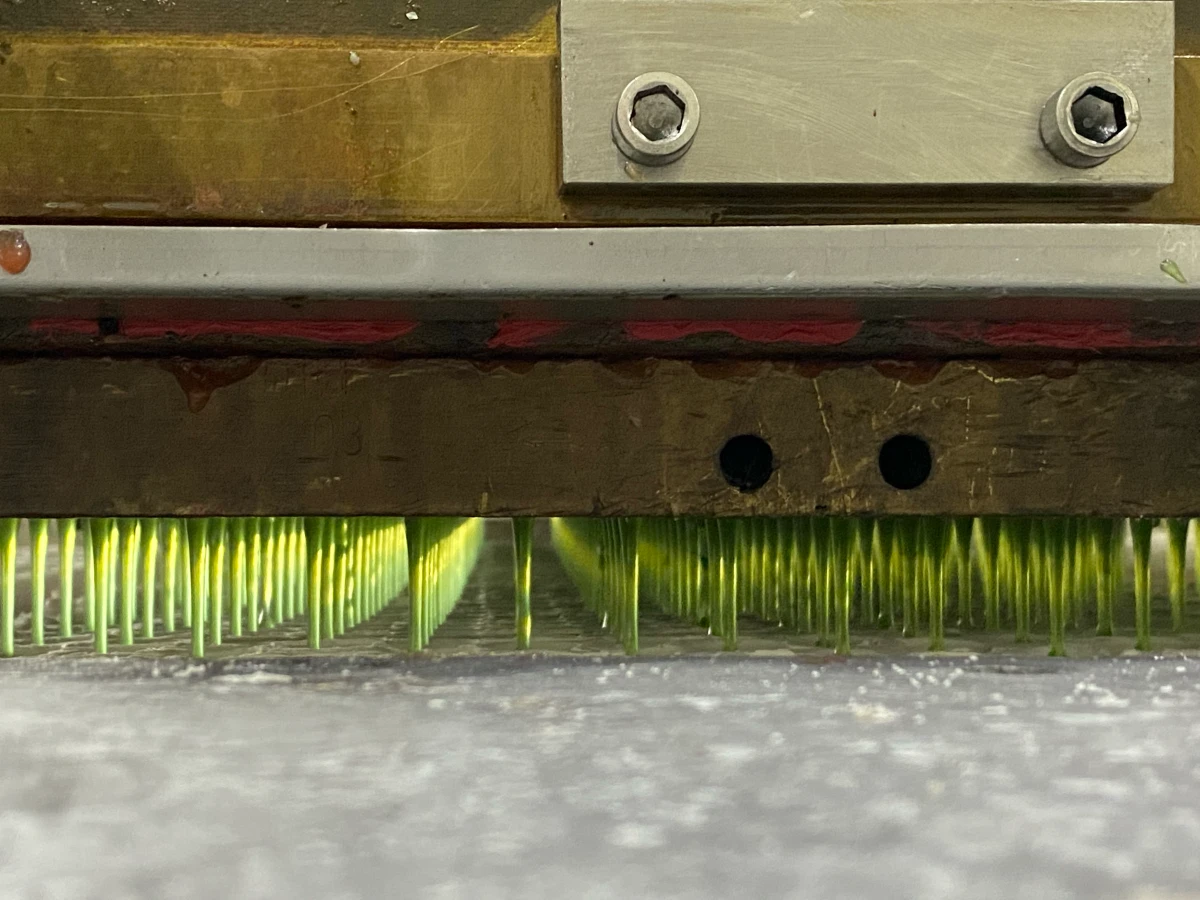
The automatic pouring machine injects hot syrup into the mold.
- Accuracy error controlled within ±0.1–0.2g
- Setting time approximately 6–12 hours (depending on the recipe)
Demolding and Surface Treatment
After demolding, the gummies need to undergo:
- oiling (anti-stick treatment)
- drying (24–48 hours)
- screening (removal of defective products)
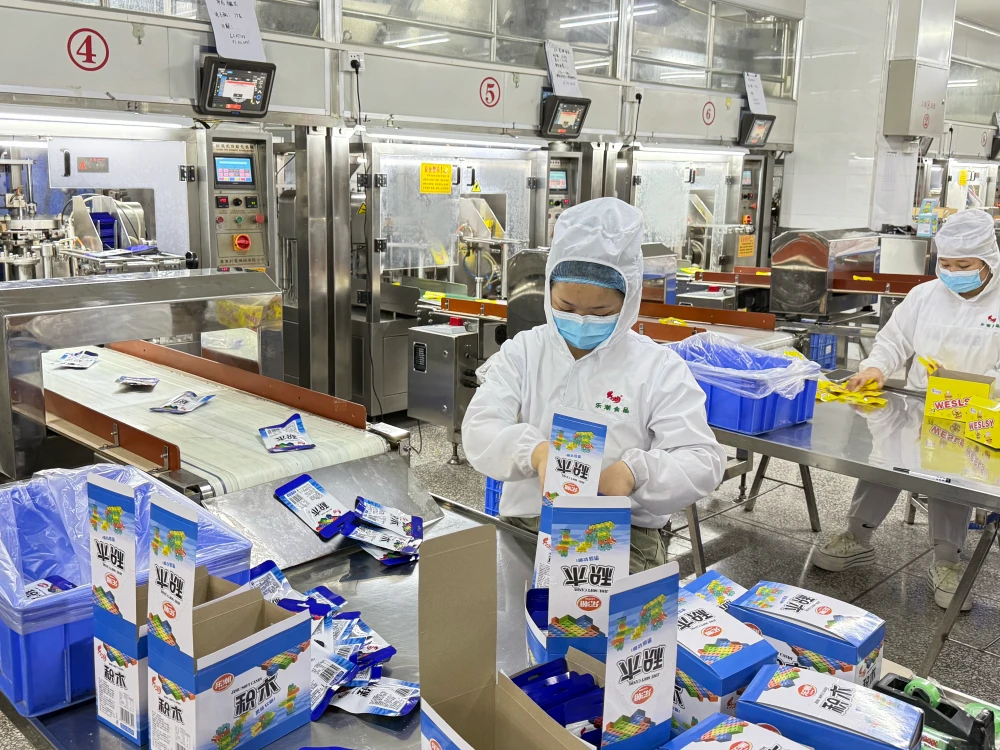
パッケージング
Options available:
- Individual bag packaging
- Bulk packaging
- Custom printed packaging bags
Packaging not only affects brand image but also shelf life and shelf stability.

Common Issues and Precautions: Improving the Success Rate of Custom Shaped Gummies Development
To ensure the successful implementation of custom shaped gummies projects, it is crucial to avoid common problems in advance.
Mold and Formula Mismatch
For example:
- Pectin gummies are not suitable for making overly fine edges and corners, as they will break.
- Large logo gummies require a “harder” formula to prevent deformation.
Color Difference and Instability
Possible Causes:
- Improper timing of pigment addition
- High temperature causing fading
- Some natural pigments are not lightfast.
Sticking to Mold and Poor Shaping
Solutions:
- Adjust the gelatin/pectin ratio
- Add anti-stick coating or use a more suitable mold material
- Lower the pouring temperature to improve setting effect.
Logistics and Transportation Issues
For export products, consider:
- Anti-melting packaging is needed for long-distance ocean shipping in summer.
- Thicker packaging bags can prevent deformation due to compression.
High-quality manufacturers can provide corresponding packaging solutions according to the different climatic conditions of the exporting country.
結論
The process of manufacturing カスタム・シェイプ・グミ might look easy, but all stages, from mold design to recipe development to production methods, affect quality in the final product. For brands that aren’t professional candy manufacturers, working with established manufacturers who own R&D capabilities and have automated factories is the best way to produce high-quality custom gummies.
With a clear understanding of your requirements, selecting the suitable molds, improving the formula, and following the production flow, your brand can simply and quickly make high-value custom shaped gummies that have an imaginative design and great taste.
関連商品
ルチャオ・キャンディーズについて
1991年設立、 レッチョ・キャンディ をリードしている。 ソフトキャンディ・メーカー, specializing in the R&D and production of gummies, licorice candies, gummy beans, marshmallows, and chocolate candies. We have an inventory of 500+ candy molds and support OEM/ODM customization services, providing brand owners with design development, customized recipes, rapid quotations, strict quality control, and global logistics. Whether you want to create custom shaped gummies, holiday candies, or brand collaborations, レチャオ offers professional one-stop customization solutions.

FAQ
1. What is the MOQ of custom shaped gummies?
This depends on the shape and the formula, but usually 200–500 kg. The MOQ can be greatly reduced by using existing molds.
2. Can I send my own designs to make gummies?
Indeed. LeChao allows customers to provide their own 2D or 3D designs and offers design pointers that can help ensure the designs are suitable for gummy shapes.
3. Are you able to produce vegan/gelatin-free gummies?
Yes. We do have advanced vegan, halal, and other international formulations of pectin and plant gum in solution form available for the plant-based solution.
4. How long does it take to develop custom shaped gummies?
Working with existing mold samples can be ready in as few as 7–10 days; for new mold development, it typically requires 10–15 days.