RU
RU  EN
EN  ZH
ZH  FR
FR  DE
DE  ES
ES  JA
JA  KO
KO  AR
AR 
Жевательные конфеты очень чувствительны к температуре, влажности и условиям упаковки во время транспортировки. Жевательная конфета может выглядеть идеально при выходе с завода, но после перевозки на большие расстояния или хранения на складе она может стать липкой, слипаться или утратить свою первоначальную текстуру.
Для производителей, импортеров и дистрибьюторов кондитерской продукции понимание причин, приводящих к слипанию жевательных конфет, может помочь сократить количество жалоб со стороны покупателей, повысить показатели продаж на полках и обеспечить более стабильное качество продукции при международных логистических операциях.
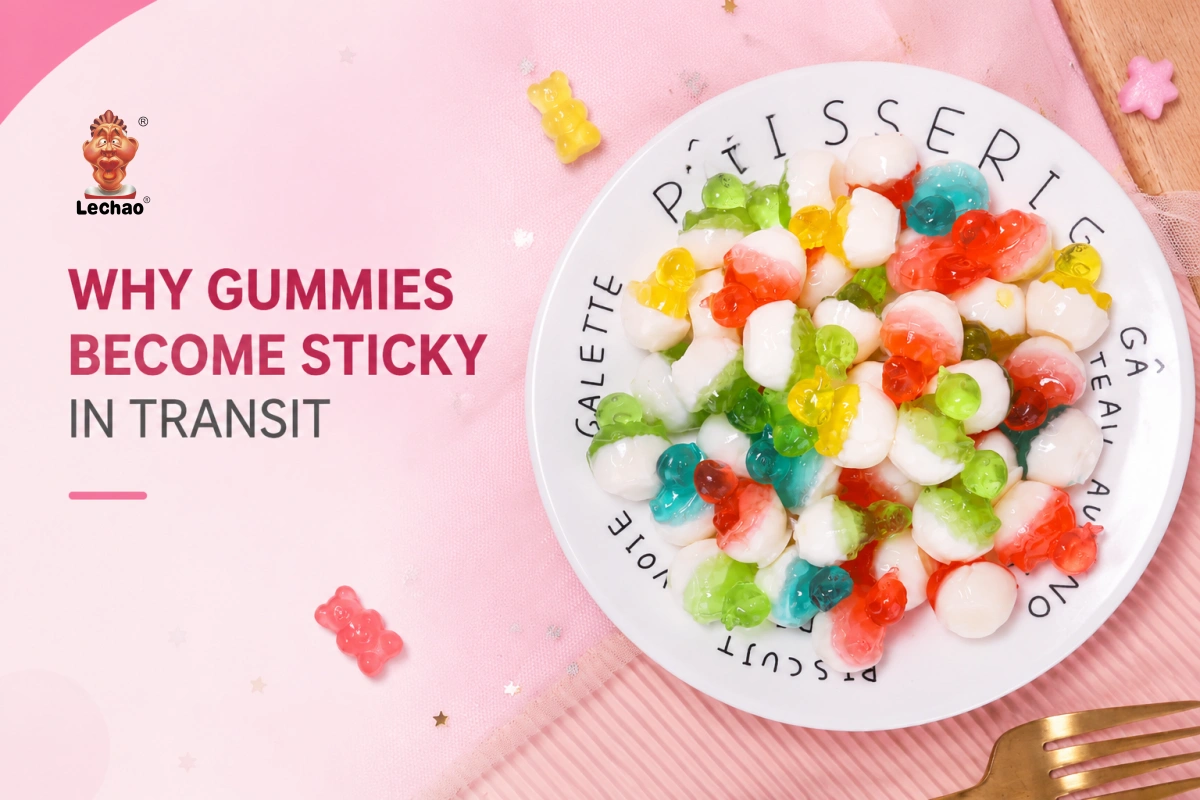
1. Высокая температура во время транспортировки
Воздействие высокой температуры — одна из главных причин, по которой мармеладные конфеты становятся липкими во время транспортировки.
Почему высокая температура влияет на жевательные конфеты
Большинство жевательных конфет содержат желатин, пектин, сахарный сироп или глюкозный сироп. Под воздействием высоких температур эти ингредиенты могут размягчаться и повышать липкость поверхности.
При транспортировке жевательных конфет в контейнерах в летний период температура внутри них может достигать чрезвычайно высоких значений, особенно на таких рынках, как Ближний Восток, Юго-Восточная Азия, Латинская Америка и Африка.
Распространенные проблемы, связанные с жарой
Высокие температуры могут вызвать:
- Жевательные конфеты слипаются
- Таяние поверхности
- Деформация формы
- Разложение сахарной глазури
- Распространение масла по поверхности конфеты
В случае экспортных проектов рецептуры жевательных конфет следует корректировать с учетом климатических условий страны назначения и способа доставки.
2. Поглощение влаги
Влажность — ещё один важный фактор, влияющий на стабильность жевательных конфет.
Как влага вызывает липкость
Жевательные конфеты по своей природе содержат влагу. Если защита упаковки недостаточна, конфеты могут впитать дополнительную влагу из окружающего воздуха.
Эта избыточная влага может привести к размягчению поверхности и повышению липкости во время хранения и транспортировки.
Ситуации, повышающие риск возникновения влажности
Проблемы с влажностью чаще возникают в следующих случаях:
- Герметичность упаковки оставляет желать лучшего
- Защита от проникновения недостаточна
- На складах влажно
- Изменения температуры приводят к образованию конденсата внутри упаковки
- Продукция хранится в течение длительного времени
Правильный контроль влажности важен для сохранения жевательной текстуры и срока хранения.
3. Различия в стабильности формул
Различные рецепты жевательных конфет по-разному ведут себя при международной доставке.
Некоторые формулы более чувствительны
Мягкие жевательные конфеты с высоким содержанием сиропа или низкой структурной устойчивостью с большей вероятностью могут стать липкими в сложных условиях транспортировки.
Продукция, предназначенная для местных розничных рынков, не всегда может сохранять свои эксплуатационные характеристики во время длительной экспортной перевозки.
Жевательные конфеты, предназначенные для экспорта, должны обладать большей стабильностью
При реализации проектов по производству жевательных конфет для OEM-производителей и под частными торговыми марками производителям следует учитывать следующее:
- Климат в месте назначения
- Срок доставки
- Условия хранения
- Целевой срок хранения
- Формат упаковки
Стабильная схема экспорта позволяет значительно снизить транспортные риски.
4. Недостаточное время сушки или отверждения
Контроль производственного процесса также влияет на стабильность жевательных конфет.
Почему время высыхания имеет значение
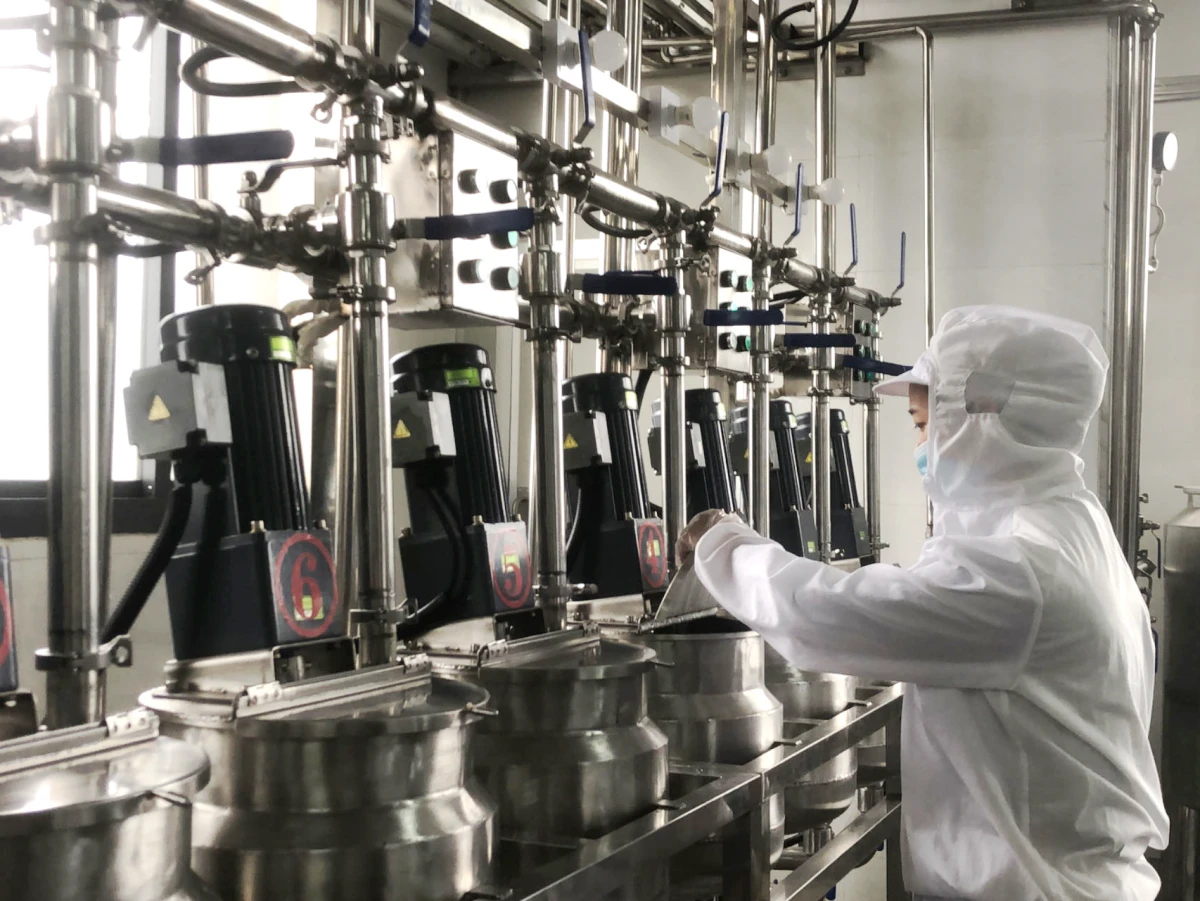
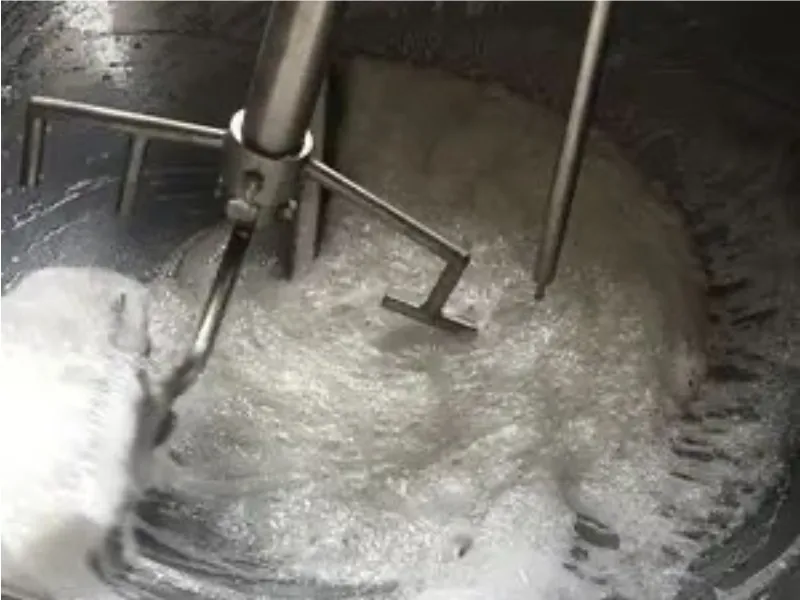
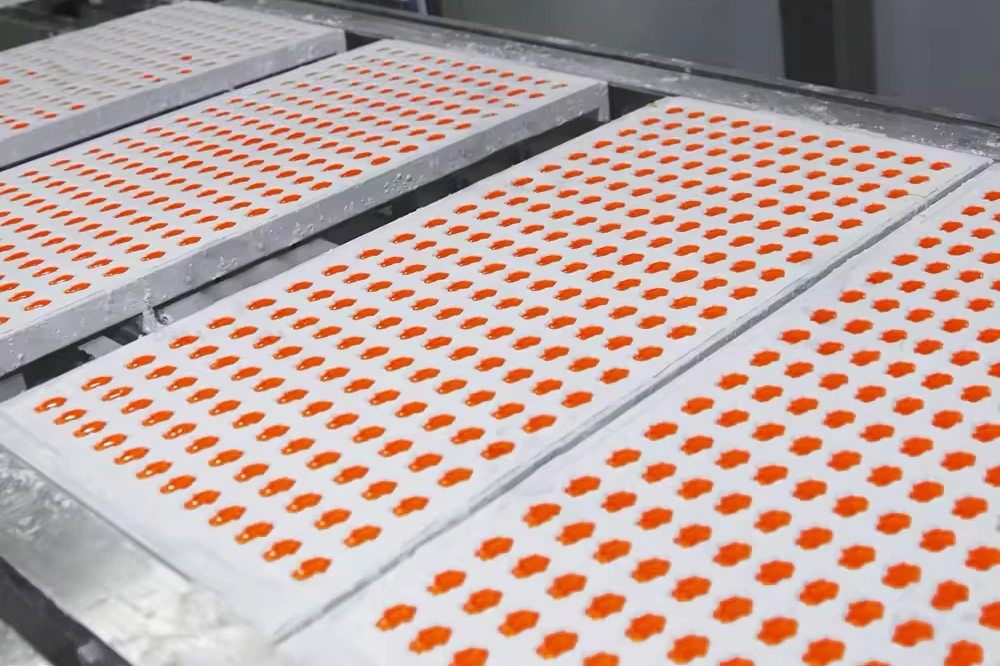
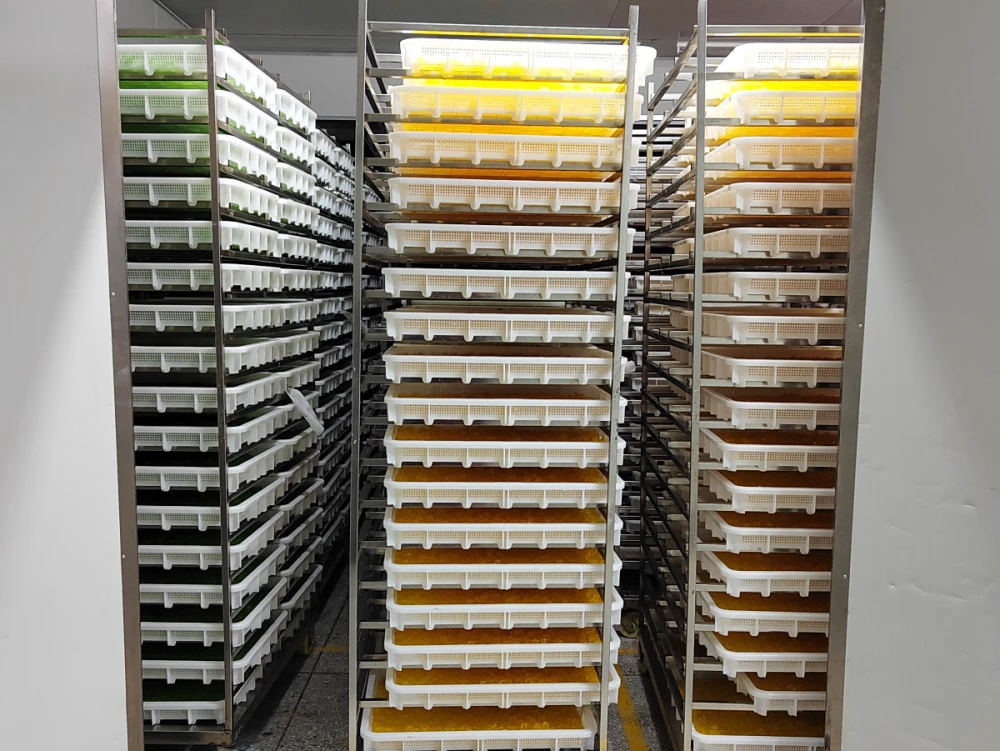
После формования жевательным конфеткам обычно требуется время на сушку или отвердевание, чтобы стабилизировать содержание влаги и текстуру.
Если конфеты упаковать слишком рано, внутри или на поверхности может остаться избыток влаги.
Риски, связанные с неполным отверждением
Недостаточная отвердка может привести к:
- Липкие поверхности
- Склеивание внутри пакетов или банок
- Нестабильность текстуры
- Сокращение срока хранения
Профессиональные фабрики по производству жевательных конфет должны тщательно контролировать температуру, влажность и условия сушки перед упаковкой.
5. Проблемы с упаковочными материалами
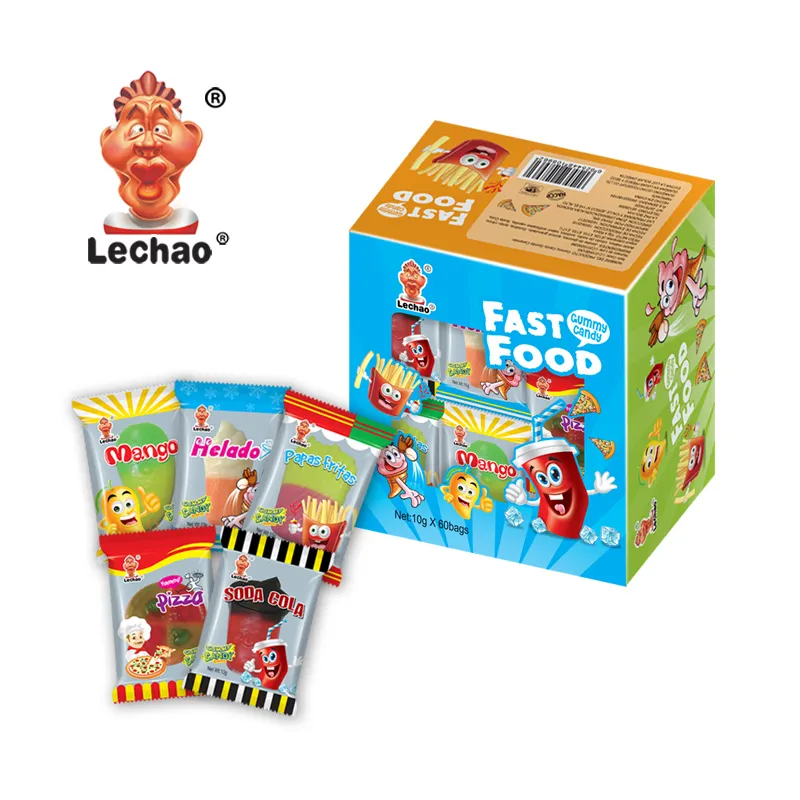
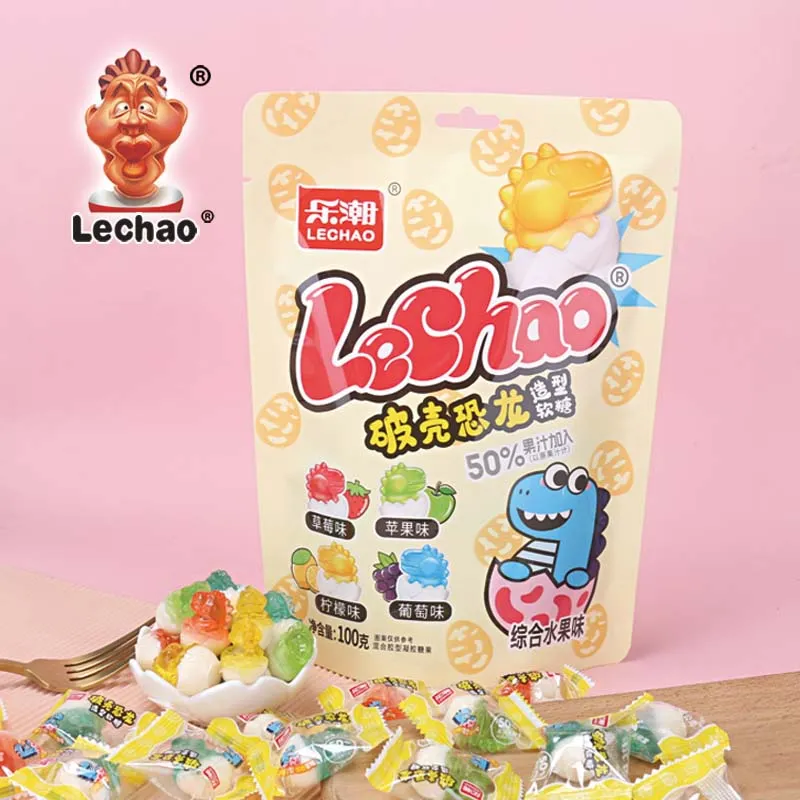
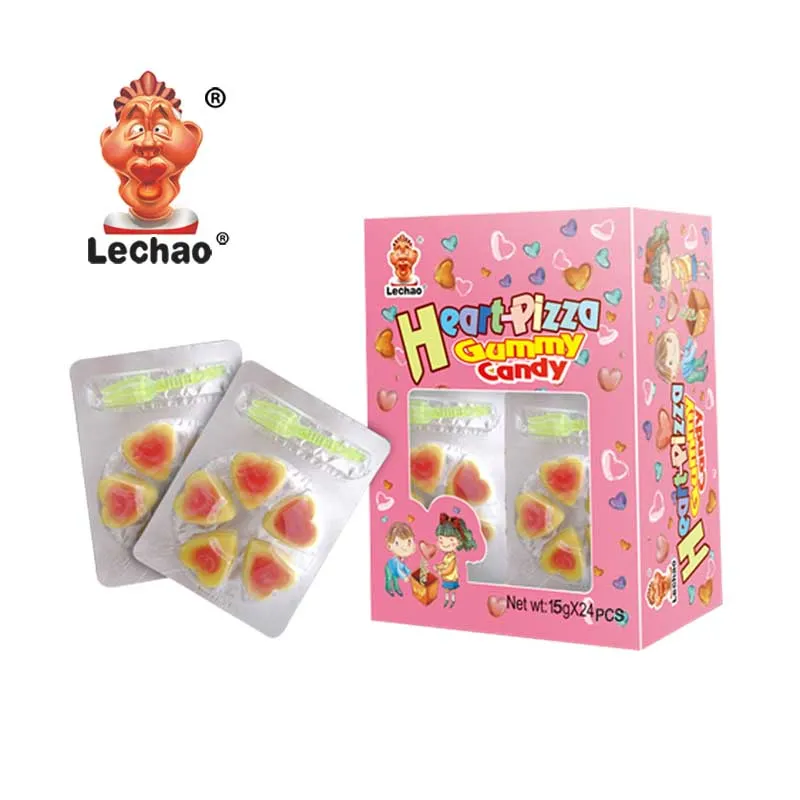
Качество упаковки играет решающую роль в обеспечении сохранности жевательных конфет при транспортировке.
Низкокачественная упаковка повышает риск
Некачественные упаковочные материалы могут способствовать тому, что влага, тепло или кислород будут легче воздействовать на конфеты.
Это особенно важно для жевательных конфет, отправляемых за границу морским транспортом.
Важные факторы, влияющие на упаковку
Покупателям следует обратить внимание на следующее:
- Эффективность влагобарьера
- Прочность соединения
- Толщина упаковки
- Защита внутреннего мешка
- Прочность картонной упаковки
- Качество укладки на поддоны
Правильный выбор упаковки может повысить стабильность качества продукции на всех этапах цепочки поставок.
6. Длительное время транспортировки и ненадлежащие условия хранения
Международная доставка может занять несколько недель или даже месяцев.
Разнообразные среды хранения данных
Во время транспортировки жевательные конфеты могут проходить через:
- Заводские склады
- Транспортные контейнеры
- Таможенные склады
- Распределительные центры
- Местные розничные склады
На каждом этапе продукция может подвергаться воздействию различных температурных и влажностных условий.
Почему длительный транзит усугубляет проблемы
Чем дольше жевательные конфеты находятся в нестабильных условиях, тем выше риск:
- Липкость
- Склеивание
- Деформация формы
- Поверхностное потоотделение
При реализации проектов по производству конфет на экспорт необходимо учитывать логистические условия на этапе разработки продукции.
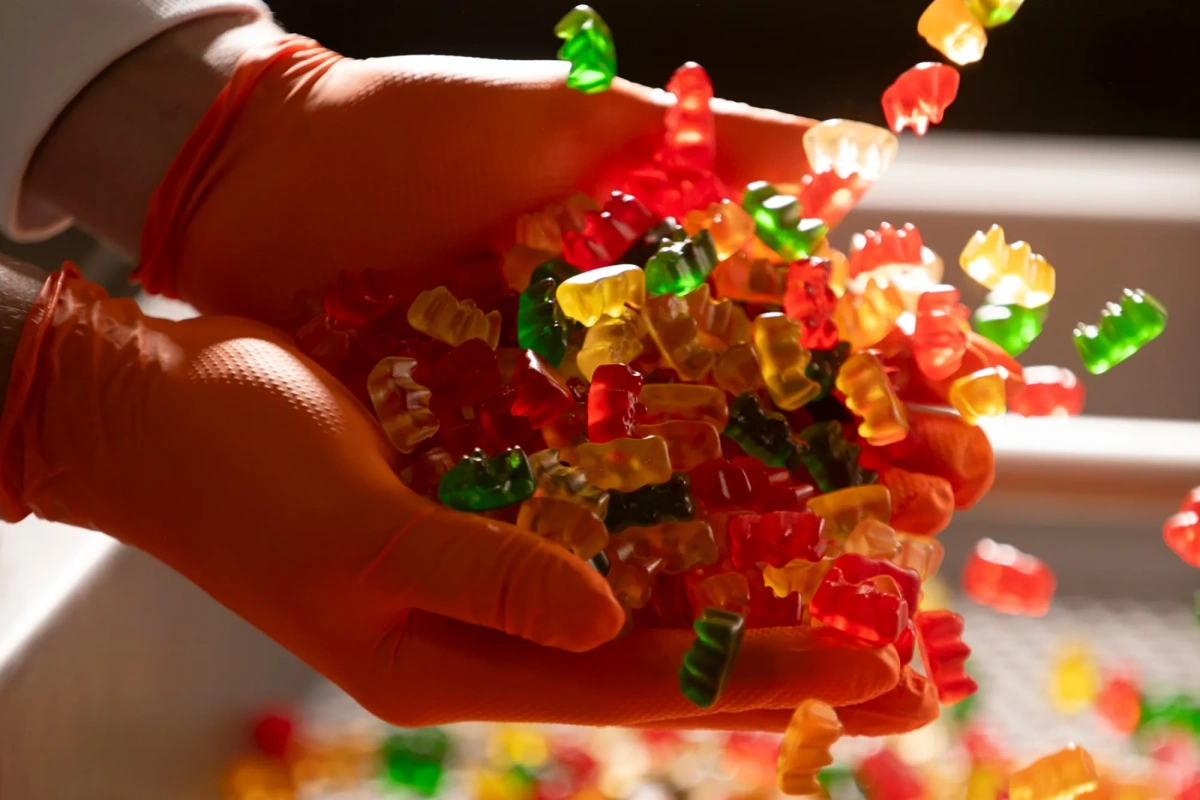
Как уменьшить количество липких и клейких проблем
Бренды и импортеры могут снизить транспортные риски за счет совершенствования как рецептуры, так и упаковочных решений.
Рекомендуемые решения
К общим профилактическим мерам относятся:
- Использование рецептур жевательных конфет, устойчивых при экспорте
- Улучшение упаковки с влагозащитным барьером
- Оптимизация процессов сушки и отверждения
- Испытания продукции в условиях высоких температур
- Повышение прочности картонной упаковки
- Предотвращение чрезмерной влажности на складе
- Проведение испытаний на стабильность в течение срока хранения перед запуском в серийное производство
Сотрудничество с опытным производителем жевательных конфет поможет выявить потенциальные риски ещё до отгрузки.
Работа с LeChao Candy
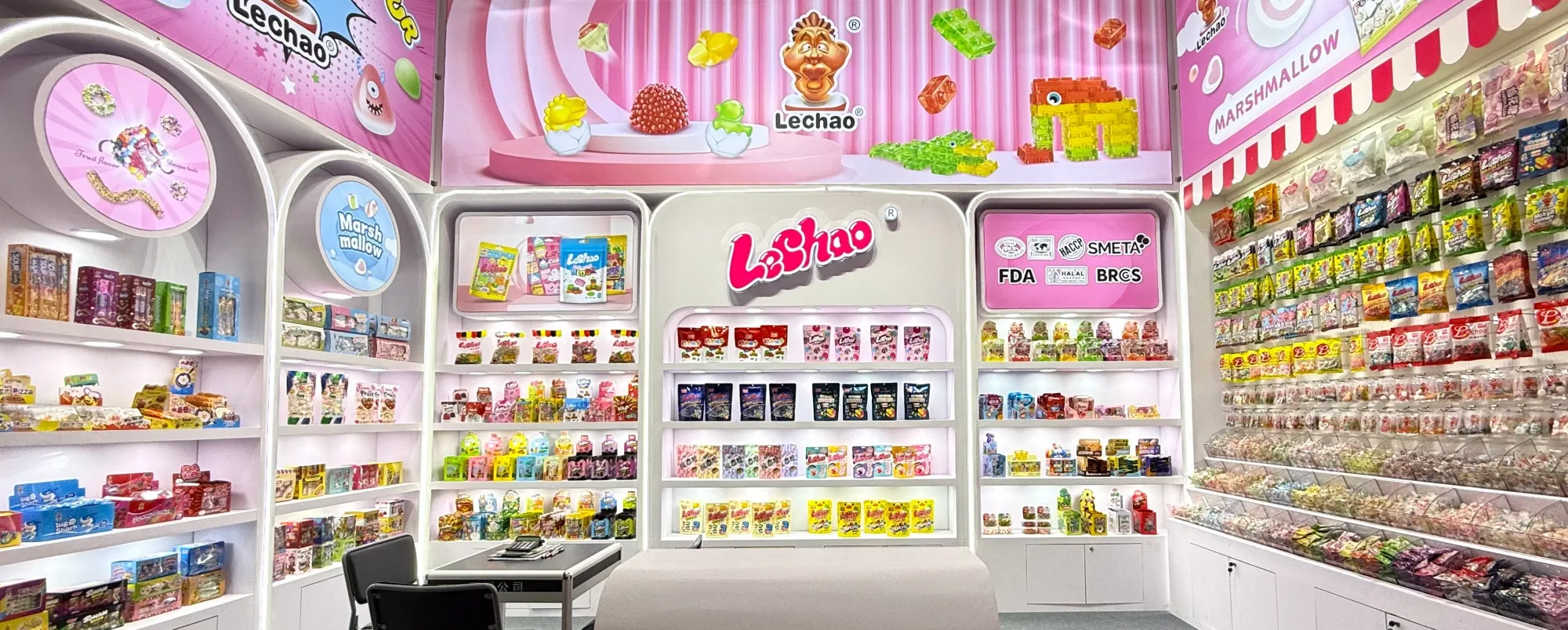
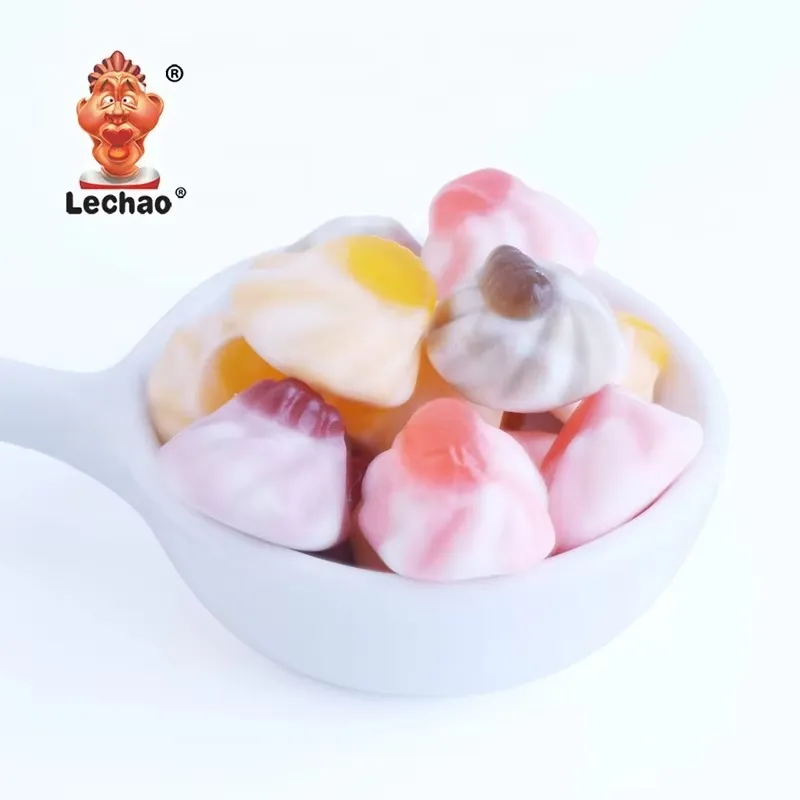
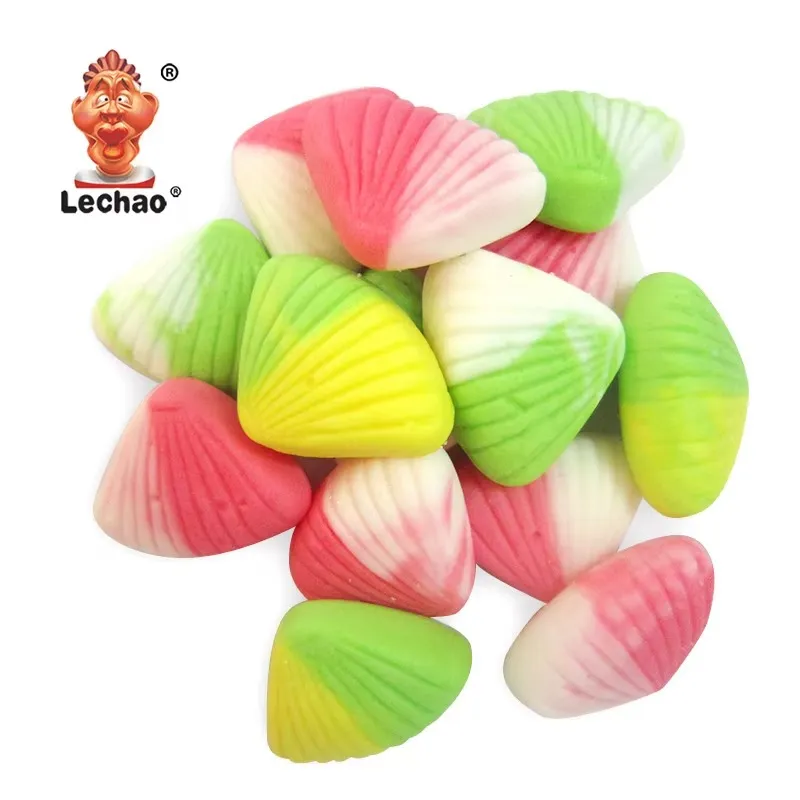
Конфеты LeChao — профессиональный производитель жевательных конфет, основанный в 1991 году. Мы специализируемся на производстве традиционных жевательных конфет, 3D/4D-жевательных конфет, жевательных конфет со снимаемой оболочкой, жевательных конфет с начинкой, жевательных конфет в виде радужных бусинок, лакричных конфет, желейных бобов, зефира и других инновационных кондитерских изделий.
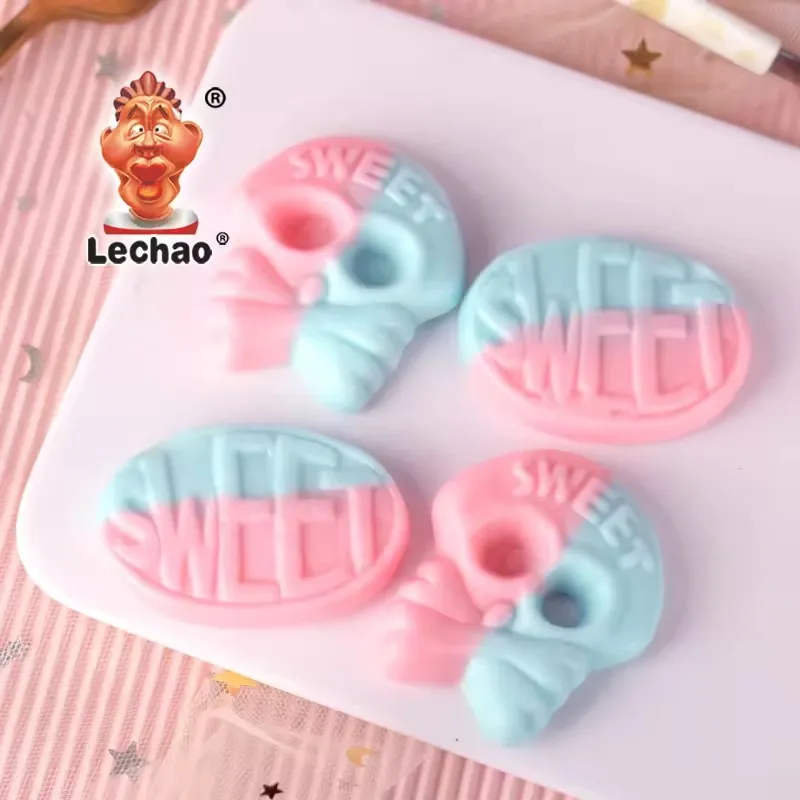
Имея в наличии более 500 форм для конфет, мы предлагаем широкий ассортимент популярных форм конфет, а также индивидуальные разработки для международных брендов, импортеров, оптовых компаний и проектов под собственной торговой маркой.
Что может предложить компания LeChao Candy
- Индивидуальные рецептуры жевательных конфет
- Производство по заказу OEM и под частной торговой маркой
- Быстрая поддержка при составлении коммерческих предложений
- Строгий контроль качества
- Решения в области гибкой упаковки
- Координация глобальной логистики
Если вы ищете надежного производителя жевательных конфет для оптовых закупок или проектов по схеме OEM, Конфеты LeChao готова помочь вам в разработке стабильных, готовых к выходу на рынок жевательных конфет для международных рынков.